Thousands protest Austria’s headscarf ban for Muslim girls in Vienna
 13 oC
13 oC 
Güneşli

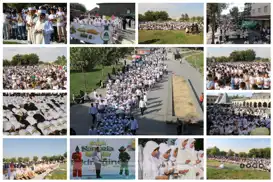
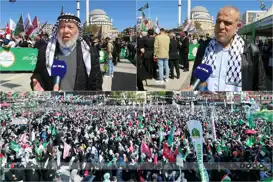
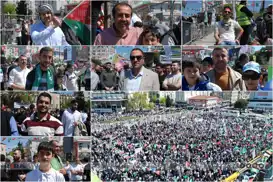
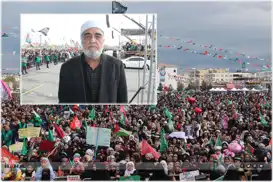
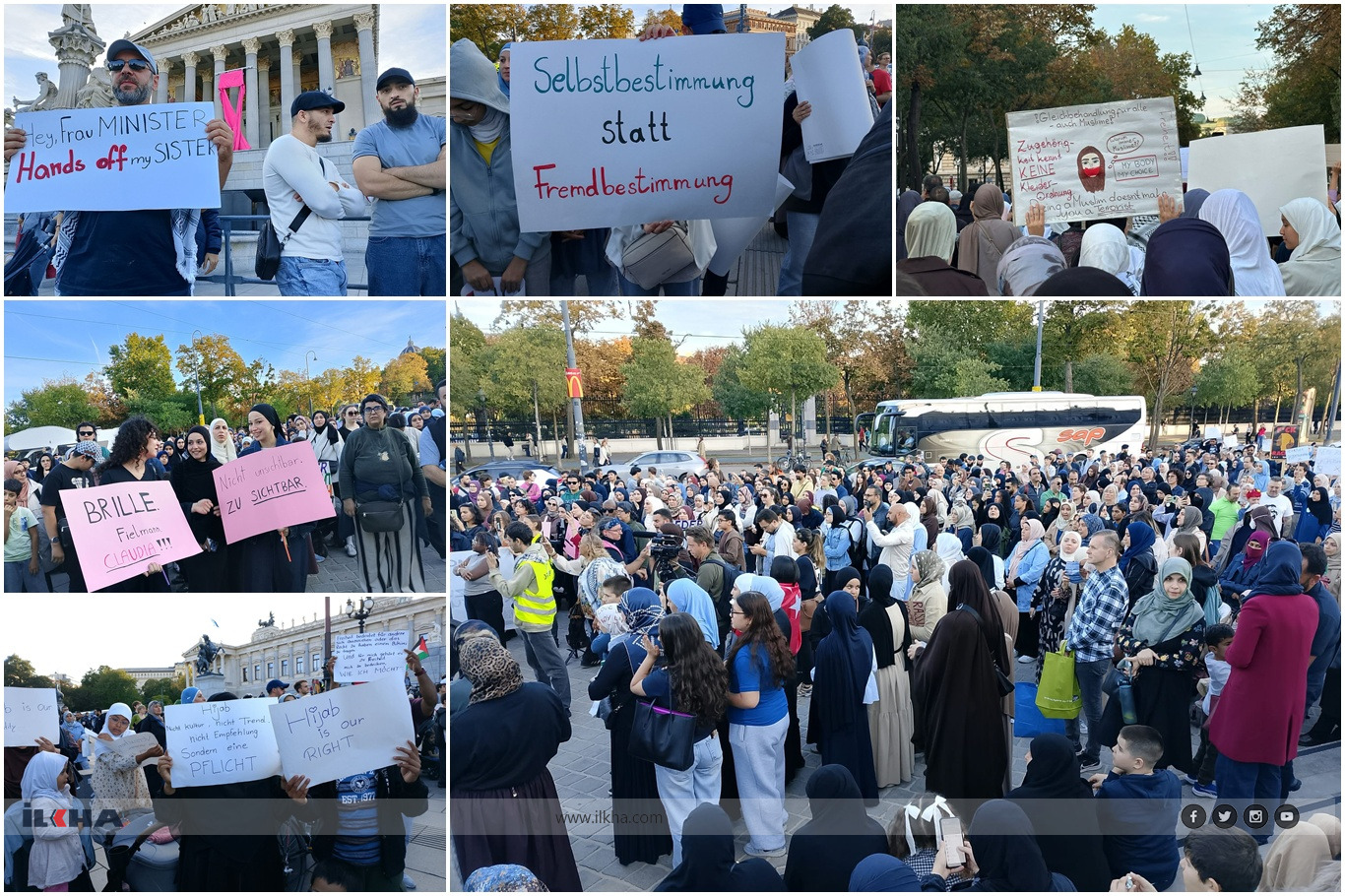
Thousands of people took to the streets of Vienna to protest Austria’s ban on headscarves for Muslim girls under 14, denouncing the measure as an infringement on religious freedom and the right of Muslim girls to make decisions about their faith.
The demonstration, organized by several civil society organizations, began outside parliament before protesters marched to the Ministry of Integration and the Vienna Education Directorate, where speakers called for the immediate repeal of the ban.
Protesters carried banners and chanted slogans including “I am not invisible,” “The headscarf is our right,” “My head! My headscarf! My decision!” and “I decide for myself, not others.”
Participants argued that the measure unfairly singles out Muslim girls and restricts their freedom to express their religious beliefs.
The ban, which entered into force at the beginning of the 2026-27 school year, prohibits girls under 14 from wearing a headscarf that covers the head in accordance with Islamic traditions on school premises. The law applies to both public and private schools.
Under the legislation, schools must initially address violations through discussions with the student and her parents. Continued non-compliance can lead to administrative proceedings and fines ranging from €150 to €800.
Muslim organizations and other critics have challenged the legislation on constitutional grounds, arguing that it infringes on freedom of religion, equality and the self-determination of affected students.
Austria’s Constitutional Court has accepted a new challenge to the legislation and is expected to issue a ruling in the first half of 2027. The applicants include girls aged 9 to 12 and their parents, who argue that the law violates freedom of belief and conscience and the constitutional principle of equality.
The court had previously rejected earlier challenges in July on procedural grounds because the ban had not yet entered into force at the time the applications were filed. The court did not rule on the constitutionality of the ban itself.
The current law follows a previous Austrian headscarf restriction for girls under 10 that was struck down by the Constitutional Court in 2020. Reuters reported that the earlier ruling found the measure inconsistent with principles of religious neutrality and raised concerns over its discriminatory impact on Muslims.
Since the new ban took effect, Austrian schools have reported cases involving students who continued to attend classes wearing the headscarf. Vienna’s education authorities reported 55 cases during the first two weeks, while other regions reported smaller numbers.
The Austrian government has defended the measure as a means of protecting girls from social or religious pressure and promoting their freedom and equality. Muslim organizations, however, argue that imposing a ban on an Islamic religious practice itself restricts the freedom and dignity of Muslim girls.
The Vienna demonstration highlighted the growing opposition to the legislation, with protesters calling for Muslim girls to be allowed to pursue their education without being forced to choose between their religious convictions and compliance with the school dress rules. (ILKHA)
LEGAL WARNING: All rights of the published news, photos and videos are reserved by İlke Haber Ajansı Basın Yayın San. Trade A.Ş. Under no circumstances can all or part of the news, photos and videos be used without a written contract or subscription.
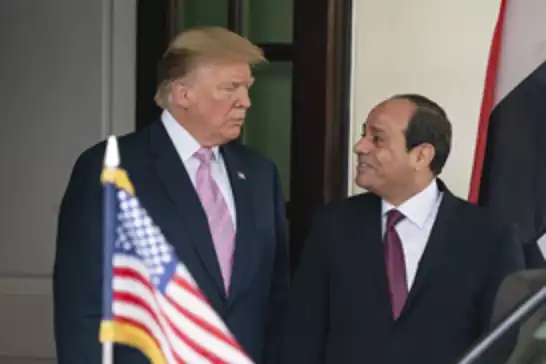
The United States has waived human rights-related conditions on $320 million in military aid to Egypt, citing Cairo’s contribution to US national security interests and its “helpful role” following the launch of the US-Israeli military campaign against Iran.
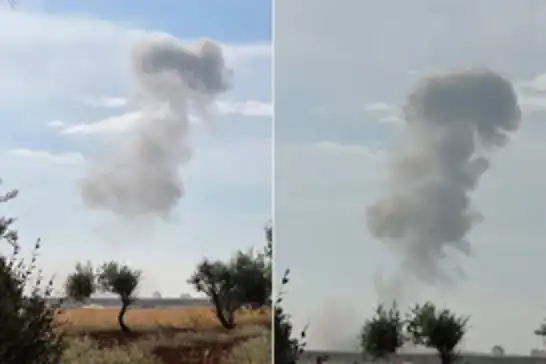
Two powerful explosions rocked the vicinity of Taftanaz military airport in northwestern Syria’s Idlib province on Friday, raising concerns among local residents, according to local media reports.

Three oil tankers belonging to or chartered by the United Arab Emirates were damaged in incidents in the Strait of Hormuz, according to Iran's Gulf Affairs Administration (PGSA).