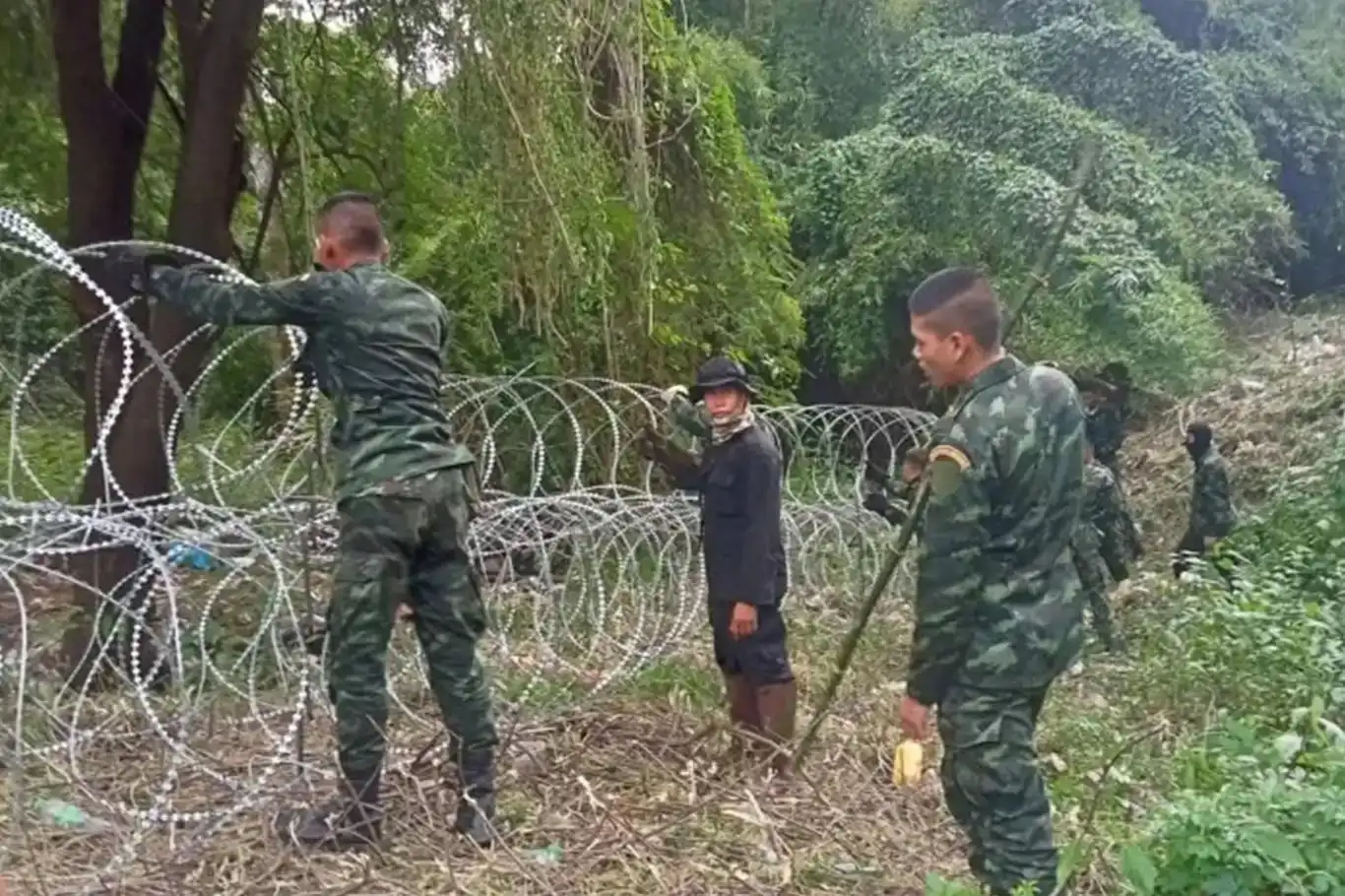
Thai military death toll in border clashes with Cambodia rises to 21
 13 oC
13 oC 
Güneşli

The death toll among Thai military personnel from ongoing border clashes with Cambodia has risen to 21, the Royal Thai Army said on Wednesday, as fighting along disputed frontier areas shows little sign of easing.
According to the army, two Thai soldiers were killed during armed hostilities on December 17 in the northeastern province of Sisaket and the eastern province of Sa Kaeo, both located near the Thai-Cambodian border. The latest fatalities bring the total number of Thai soldiers killed since the outbreak of fighting earlier this month from 19 to 21.
Armed clashes between Thai and Cambodian forces erupted on December 7 along the contested border. A day later, the Royal Thai Army accused Cambodian forces of initiating the escalation by shelling Thai positions in the early hours of the morning. Thailand said its air force responded by carrying out strikes on what it described as Cambodian military infrastructure near the border.
Cambodia has not officially released figures on its military casualties. However, Thai authorities have claimed that more than 200 Cambodian soldiers have been killed since the fighting began. Phnom Penh has disputed these claims, while earlier statements by Cambodian Information Minister Net Pheaktra confirmed that at least 15 Cambodian civilians had been killed as a result of the clashes.
Fighting has continued intermittently over the past ten days, with reports of artillery fire, troop movements, and aerial activity along several flashpoints of the border. Both sides have accused each other of violating sovereignty and escalating the conflict, while reinforcing their military presence in the affected areas.
Local officials on both sides of the border have reported civilian displacement, with residents fleeing villages close to the fighting. Temporary shelters have been set up in Thailand’s border provinces, while Cambodian authorities have also warned civilians to avoid contested zones.
Diplomatic efforts to contain the conflict have intensified in recent days. Regional actors, including members of the Association of Southeast Asian Nations (ASEAN), have reportedly urged restraint and called for an immediate de-escalation to prevent the situation from spiraling into a wider conflict. There have also been indications of behind-the-scenes talks aimed at restoring calm, though no formal ceasefire has been announced.
The Thai government has said it remains open to dialogue but insists that Cambodian forces must halt what it describes as aggressive actions along the border. Cambodia, for its part, has accused Thailand of excessive use of force, particularly through air strikes.
As clashes continue and casualties mount, analysts warn that without sustained diplomatic intervention, the decades-old border dispute risks turning into a prolonged and destabilizing conflict for both countries and the wider region. (ILKHA)
LEGAL WARNING: All rights of the published news, photos and videos are reserved by İlke Haber Ajansı Basın Yayın San. Trade A.Ş. Under no circumstances can all or part of the news, photos and videos be used without a written contract or subscription.
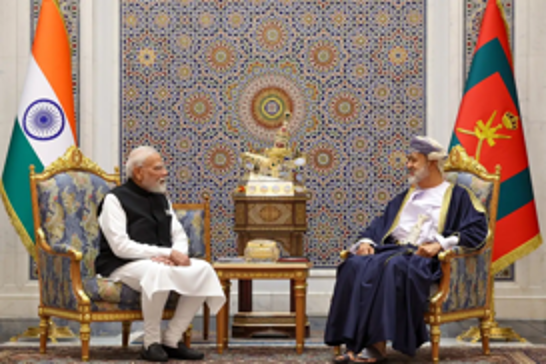
Indian Prime Minister Narendra Modi paid an official visit to the Sultanate of Oman from December 17–18, 2025, at the invitation of His Majesty Sultan Haitham bin Tarik, marking a significant milestone in bilateral relations as the two countries celebrate the 70th anniversary of the establishment of diplomatic ties.

The Hamas Movement has urged international mediators to take concrete and effective action to compel Israel to fulfill its obligations under the ceasefire agreement, warning that continued Israeli restrictions are pushing Gaza deeper into a humanitarian catastrophe.
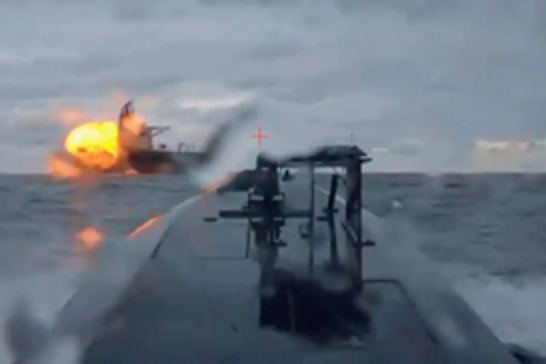
Ukrainian drones reportedly struck a vessel at the Port of Rostov overnight on December 18, according to officials in Russia’s Rostov Oblast, triggering a large fire and casualties
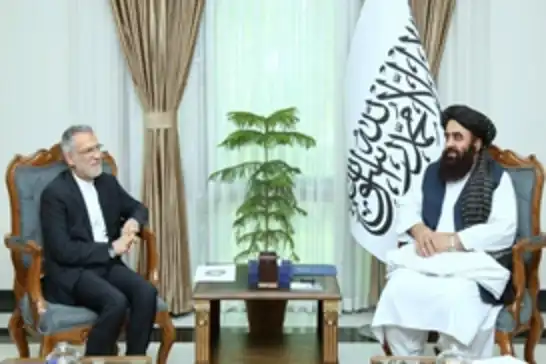
Afghanistan’s Acting Minister of Foreign Affairs, Mawlavi Amir Khan Muttaqi, met with Iranian diplomat Mohammad Reza Bahrami in a high-level discussion focused on strengthening bilateral relations and enhancing regional cooperation.