Tens of thousands pray at Al-Aqsa Mosque despite Israeli restrictions
 13 oC
13 oC 
Güneşli

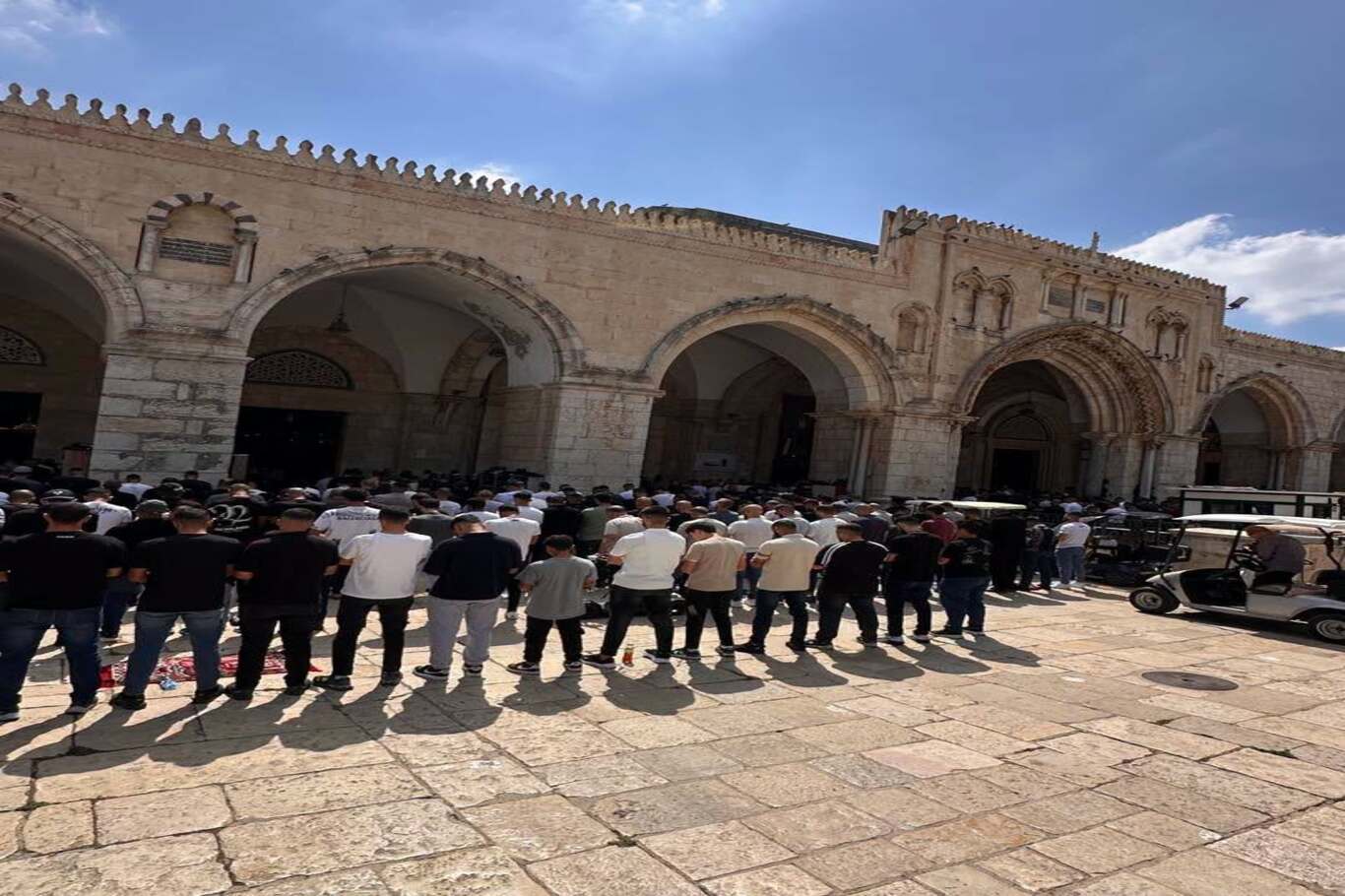
Tens of thousands of Palestinians gathered at Al-Aqsa Mosque in occupied East Jerusalem for Friday prayers despite heightened Israeli security measures and restrictions imposed on Palestinians seeking to reach the holy site.
The Islamic Waqf Department in Jerusalem said large numbers of worshipers managed to reach Al-Aqsa amid an increased deployment of Israeli forces around Jerusalem, the Old City and the mosque compound.
Israeli forces erected checkpoints and metal barriers at several locations and stopped Palestinian worshipers attempting to reach the mosque, according to Palestinian sources. A number of young Palestinian men were reportedly prevented from continuing toward Al-Aqsa after being stopped at checkpoints around the city and the Old City.
Despite those measures, Palestinians from across occupied Jerusalem continued making their way to the mosque, filling its courtyards and prayer areas for the weekly congregational prayer.
The gathering came as tensions around Al-Aqsa remain particularly sensitive ahead of the Jewish festival of Sukkot, which begins at sundown on Friday, September 25, and continues until October 2.
Jerusalem affairs researcher Ziad Ibhais warned that the coming days could bring increased tensions around Al-Aqsa as Jewish groups traditionally associated with Temple Mount activism prepare for Sukkot.
Ibhais said groups advocating the construction of a Jewish temple at the site have increasingly used Jewish holidays as occasions to increase visits to the compound and seek to introduce religious rituals and symbols there.
According to his assessment, Sukkot is particularly significant because of the religious practices associated with the festival and the increased number of Israeli visitors to the site during the holiday period.
Ibhais said activists linked to the Temple movement seek to use the festival in several ways, including increasing incursions into the Al-Aqsa compound, attempting to conduct rituals involving the traditional plants associated with Sukkot and establishing a sukkah, or temporary booth, near the Mughrabi Gate.
Sukkot is one of Judaism's biblical pilgrimage festivals and begins this year on September 25. In Jerusalem, the first day falls on September 26, with the festival continuing through October 2.
Ibhais cited figures showing that the number of Israeli settlers visiting the Al-Aqsa compound during Sukkot has increased in recent years.
According to figures compiled by the researcher, about 5,980 settlers entered the compound during five days of Sukkot in 2024, an average of roughly 1,196 per day.
The figure increased to 7,119 during five days of the holiday in 2025, averaging approximately 1,424 visitors per day — a reported increase of about 19% from the previous year.
Ibhais warned that the increasing numbers, combined with attempts by some groups to introduce religious rituals into the compound, could further heighten tensions at one of the most sensitive religious sites in the region.
He argued that what began primarily as visits to the compound was increasingly being accompanied by efforts to conduct religious practices there, which Palestinian officials and religious authorities regard as a challenge to the existing arrangements governing the site.
Al-Aqsa Mosque, located in Jerusalem's Old City, is Islam's third-holiest site and has remained at the center of the Israeli-Palestinian conflict.
The compound is also Judaism's holiest site, known as the Temple Mount, making it a longstanding focus of competing religious and national claims.
Under longstanding arrangements, Jordan's Islamic Waqf administers religious affairs at the compound, while Israel controls security and access. Palestinians have repeatedly accused Israeli authorities of restricting Muslim access while allowing increased visits by Israeli settlers and activists. Israeli authorities say their security measures are necessary to maintain public order and security.
The issue has become particularly contentious during major Jewish holidays, when visits by Jewish groups to the compound can increase.
The Western Wall's official website confirms that Sukkot-related events will take place in Jerusalem during the coming week, including large public religious ceremonies on September 28 and October 1.
Ibhais urged Palestinians to maintain a strong presence at Al-Aqsa during the holiday period, arguing that regular Palestinian attendance at the mosque is important in confronting attempts to alter the situation at the site.
His comments came as Palestinians gathered for Friday prayers despite the restrictions imposed around Jerusalem.
For many Palestinians, access to Al-Aqsa is both a religious right and a deeply significant part of their connection to Jerusalem. Restrictions on movement around the mosque have therefore remained a recurring source of tension.
The expected increase in visitors during Sukkot is likely to keep Al-Aqsa at the center of attention in the coming days, with Palestinian religious and political figures warning against actions that they say could further alter the status quo at the holy compound.
The Friday prayer gathering demonstrated the continued determination of Palestinians in occupied Jerusalem to maintain access to Al-Aqsa despite the restrictions, while the beginning of Sukkot has added another potentially volatile element to an already highly sensitive situation. (ILKHA)
LEGAL WARNING: All rights of the published news, photos and videos are reserved by İlke Haber Ajansı Basın Yayın San. Trade A.Ş. Under no circumstances can all or part of the news, photos and videos be used without a written contract or subscription.
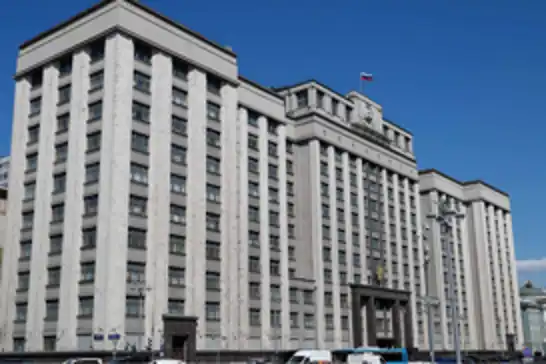
Russia’s ruling United Russia party has secured a record 349 seats in the 450-member State Duma, election officials said Friday, cementing the Kremlin’s dominance of parliament following the country’s first lower-house elections since the full-scale war in Ukraine began.
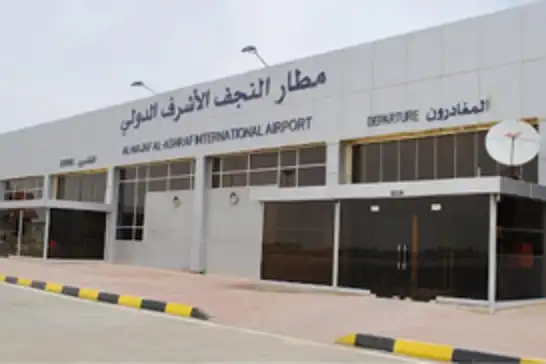
Najaf International Airport suspended all flights to and from Iran on Friday, September 25, amid growing disruption to Iranian international air links following an intensified US sanctions campaign targeting the country’s aviation sector.
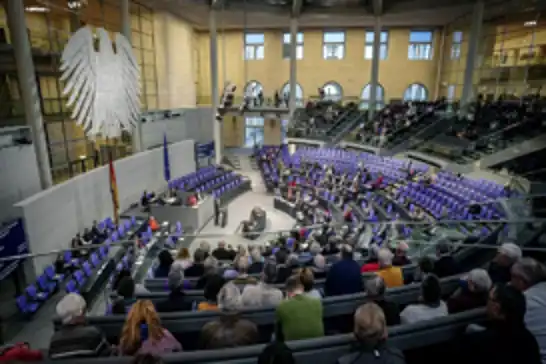
Germany's Bundestag has approved amendments to the Federal Police Act granting broader powers to the Federal Police in efforts to combat what authorities describe as extremism and migrant smuggling.