Najaf suspends Iran flights amid expanding US sanctions on Iranian aviation
 13 oC
13 oC 
Güneşli

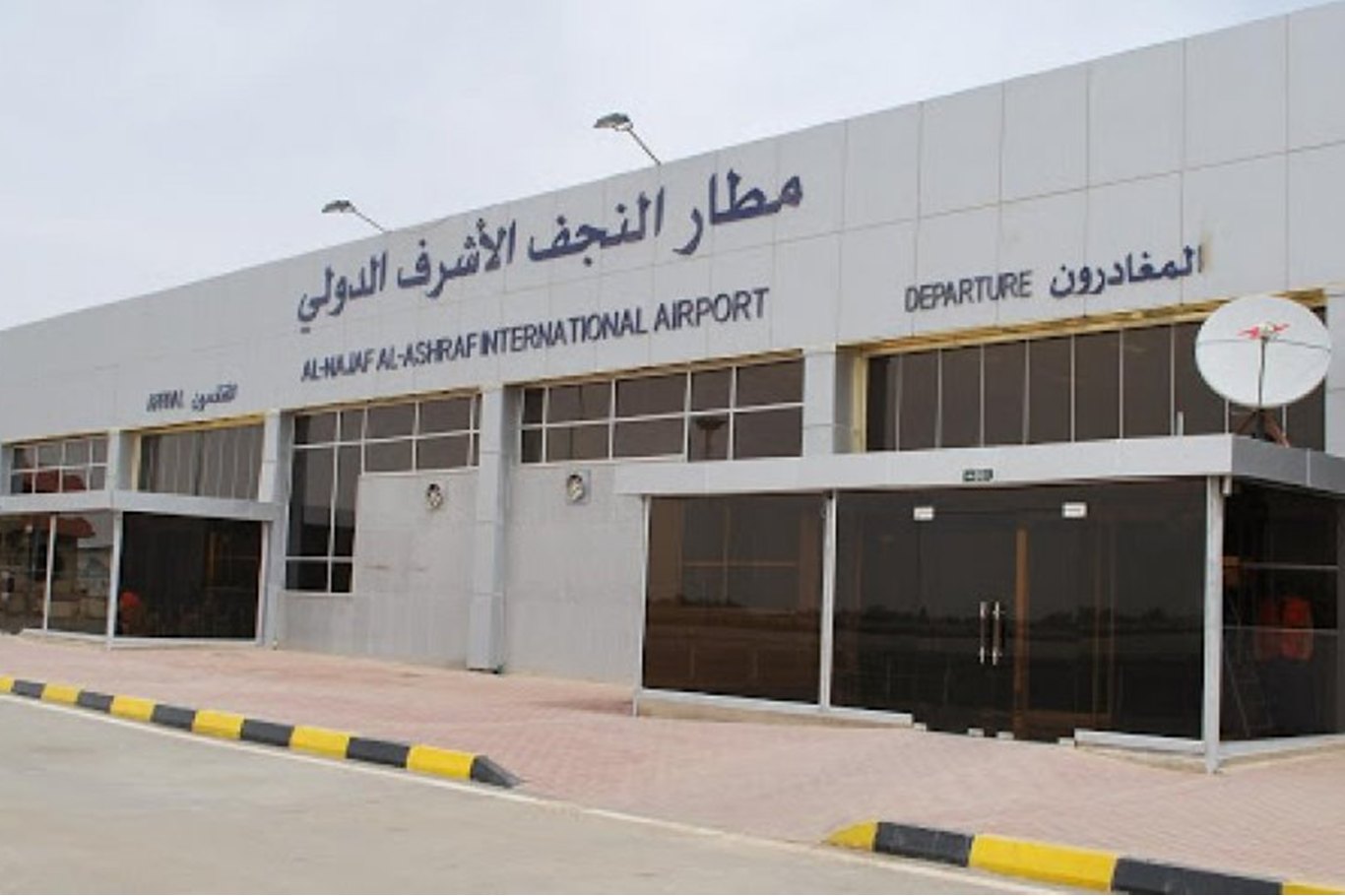
Najaf International Airport suspended all flights to and from Iran on Friday, September 25, amid growing disruption to Iranian international air links following an intensified US sanctions campaign targeting the country’s aviation sector.
The airport administration said the suspension took effect at 2 a.m. local time on Friday and would remain in place until further notice, citing official directives from the competent authorities.
In a statement carried by Iraq’s state-run Iraqi News Agency (INA), the airport instructed airlines and other aviation operators to take the necessary measures and said any decision to resume flights would be announced officially.
The airport did not specify which authority issued the directive or provide a detailed explanation for the suspension.
The move is particularly significant for Iran because Najaf has been an important destination for Iranian travelers, especially those visiting the city’s major Shiite religious sites. It also came only days after Tehran had sought to redirect flights from Baghdad to Najaf after restrictions were imposed on Iranian carriers at Baghdad International Airport.
Iran’s Civil Aviation Organization announced on Sept. 22 that Baghdad and Muscat airports would no longer accept flights operated by Iranian airlines from Sept. 23.
Iranian aviation official Majid Akhavan said Tehran was coordinating with Iraqi authorities to redirect flights originally scheduled for Baghdad to Najaf. At the time, Iranian officials said other international routes, including flights to Istanbul, would continue according to schedule.
That arrangement has now been disrupted by the Najaf suspension.
Local reporting indicated that Najaf had become heavily dependent on Iranian connections, with 18 of 20 flights listed on the airport’s Wednesday schedule bound for Iranian destinations.
The development effectively removes another important regional gateway for Iranian commercial aviation.
The latest restrictions follow an expanded US campaign against Iran's aviation sector.
The US Treasury Department announced on Sept. 8 that it had sanctioned 36 targets connected to Iran’s aviation industry, including 27 Iranian airlines. Washington said the measures were intended to disrupt what it alleges are networks supporting Iran’s military and procurement activities.
US Treasury Secretary Scott Bessent subsequently warned that foreign companies providing services to sanctioned Iranian airlines could themselves face US penalties.
The measures affect essential services such as refueling, landing and ground handling, creating difficulties for Iranian carriers even where airports themselves have not formally closed their airspace to Iranian aircraft.
Iranian officials and media have described the expanding restrictions as part of Washington’s broader campaign to isolate the country economically and restrict its international connectivity.
Najaf is not the only regional airport to suspend Iranian airline operations.
The United Arab Emirates announced Thursday that it had suspended flights operated by Iranian airlines to and from the country until further notice, citing US sanctions affecting Iranian carriers using UAE airports.
The developments have sharply narrowed the options available to Iranian airlines operating international routes.
At the same time, Iran has sought to maintain as many international connections as possible. Iranian aviation authorities previously said flights to destinations including Istanbul were expected to continue despite the new restrictions.
The restrictions are therefore affecting individual routes and foreign airport services rather than constituting a blanket closure of Iranian airspace.
The latest measures come amid heightened tensions between Tehran and Washington and a wider confrontation over Iran’s regional and international relations.
Iran has continued to reject US pressure and sanctions, arguing that Washington is using economic restrictions to constrain the country’s sovereignty and international relations.
A senior adviser to Iran’s Supreme Leader, Mohammad Mokhber, warned on Friday that regional countries should not expect to maintain unrestricted aviation links while Iranian carriers are denied access to airport services. His comments followed the suspension of Iranian flights at several airports in the region.
The warning underscored Tehran’s view that restrictions on Iranian airlines could have consequences beyond Iran’s aviation sector by disrupting regional air connectivity.
The suspension of flights to Najaf could have particular consequences for Iranian passengers because of the close religious and social ties between Iran and Iraq.
Millions of Iranians travel to Iraq each year for religious visits, particularly to Najaf and Karbala, and air links between the two countries become especially important during major religious occasions.
With Baghdad and Najaf now restricting Iranian flights and the UAE having also suspended Iranian airline operations, travelers face fewer direct options for reaching destinations in the region.
The restrictions could also place additional pressure on alternative land routes and remaining international air connections.
The Najaf decision represents another setback for Iran’s efforts to preserve international air connectivity under mounting external pressure.
Washington says its sanctions are aimed at preventing Iranian airlines from supporting activities it considers threatening to US interests. Tehran, meanwhile, has condemned the sanctions campaign and continued to seek ways to preserve commercial and regional links.
The immediate future of Iranian flights to neighboring countries remains uncertain, with several suspensions announced without fixed dates for their reversal.
For now, Najaf International Airport has given no timetable for resuming flights to and from Iran, saying only that any decision to restore services would be officially announced.
The suspension leaves Iranian airlines facing an increasingly difficult regional operating environment as Tehran seeks to keep its international aviation network functioning despite the expanding sanctions regime. (ILKHA)
LEGAL WARNING: All rights of the published news, photos and videos are reserved by İlke Haber Ajansı Basın Yayın San. Trade A.Ş. Under no circumstances can all or part of the news, photos and videos be used without a written contract or subscription.

Russia’s ruling United Russia party has secured a record 349 seats in the 450-member State Duma, election officials said Friday, cementing the Kremlin’s dominance of parliament following the country’s first lower-house elections since the full-scale war in Ukraine began.

Tens of thousands of Palestinians gathered at Al-Aqsa Mosque in occupied East Jerusalem for Friday prayers despite heightened Israeli security measures and restrictions imposed on Palestinians seeking to reach the holy site.

Germany's Bundestag has approved amendments to the Federal Police Act granting broader powers to the Federal Police in efforts to combat what authorities describe as extremism and migrant smuggling.