Russia assures India of steady crude oil supplies amid Strait of Hormuz blockade
 13 oC
13 oC 
Güneşli

Geopolitical tensions in West Asia disrupt global energy routes, but Moscow commits to supporting major Asian buyers like India and China as New Delhi accelerates diversification efforts.
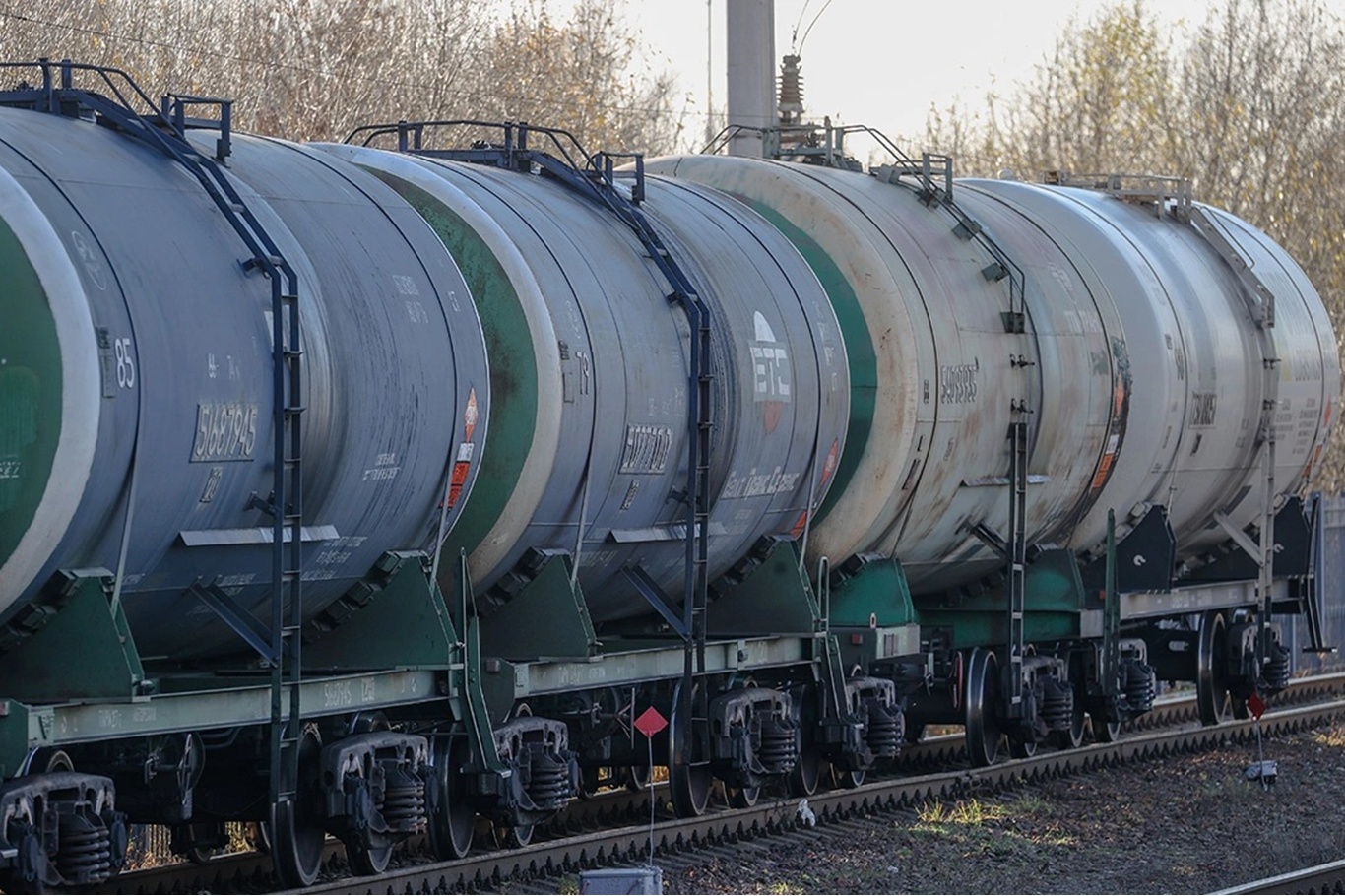
India is set to receive continued crude oil shipments from Russia despite severe disruptions to traditional logistics routes caused by escalating conflict in West Asia, according to assurances from Russian energy officials.
The Strait of Hormuz, a critical chokepoint for nearly 20 per cent of global oil shipments, has been effectively blocked, triggering volatility in energy markets and raising alarms over broader impacts on food security due to halted fertilizer exports. Prior to the latest escalation, India sourced up to 70% of its crude oil from West Asia, leaving refiners scrambling to adjust supply schedules and secure alternatives.
Speaking at the St Petersburg International Economic Forum, Igor Sechin, CEO of Russian energy giant Rosneft, reaffirmed Moscow’s commitment to maintaining stable oil supplies to India and China despite logistical and security challenges.
In a statement from the Russian Federation Presidential Commission for Strategic Development of the Fuel and Energy Sector and Environmental Security, Sechin highlighted the growing economic ties. He noted that combined Russian oil exports to India and China since April 2022 have surpassed $40 billion.
Sechin described India as a strategic partner and pointed to its robust economic growth as a key driver of rising global energy demand. Citing International Energy Agency projections, he said India’s oil consumption is expected to reach nearly 8 million barrels per day by 2035 — a 44% increase from current levels — compared to just 5% growth globally.
With West Asian supplies under pressure, Indian importers have significantly increased purchases from Russia, Venezuela, and African producers. Russia has emerged as one of India’s top oil suppliers since 2022, offering discounted crude that has helped mitigate supply risks. Although rupee-rouble payment mechanisms have encountered hurdles, trade volumes have continued to expand.
Sechin warned that the Hormuz crisis could set a dangerous precedent for other vital maritime chokepoints, including the Straits of Malacca, Bab el-Mandeb, Gibraltar, and the Suez and Panama canals.
“The current development of the conflict in the Middle East invited the global crisis. Besides oil and gas, a significant volume of exports of other goods, e.g. fertilizers, passes through the Strait of Hormuz. Supply disruptions, along with the lack of strategic reserves in these markets increase the risk of a global food crisis,” he said.
Implications for India’s Energy StrategyThe crisis has underscored India’s long-standing vulnerability as a major oil importer. It has renewed calls for greater diversification of the energy mix, stronger strategic petroleum reserves, accelerated investment in renewables, and long-term supply agreements.
While Russia’s assurances provide immediate relief, analysts emphasize that India must strengthen energy security through infrastructure development and active participation in efforts to safeguard international shipping lanes.
As global energy markets face heightened uncertainty, India’s push for a more resilient energy ecosystem is expected to remain a top policy priority, balancing short-term import needs with long-term sustainability goals. (ILKHA)
LEGAL WARNING: All rights of the published news, photos and videos are reserved by İlke Haber Ajansı Basın Yayın San. Trade A.Ş. Under no circumstances can all or part of the news, photos and videos be used without a written contract or subscription.
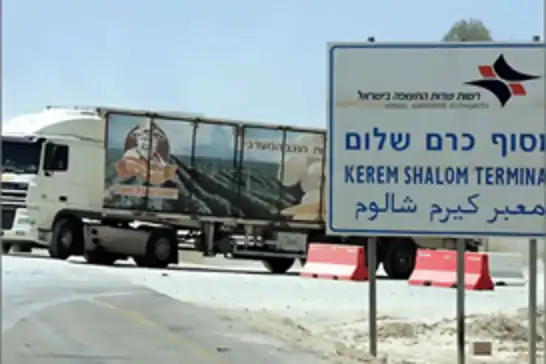
Israel has once again intensified its illegal blockade on the Gaza Strip by closing key crossings, including Kerem Shalom and Rafah, in a move widely condemned as collective punishment against the besieged Palestinian population.

At least 32 people have been killed after a powerful earthquake struck the southern Philippines, causing widespread damage, school closures, and transport disruptions across several provinces.
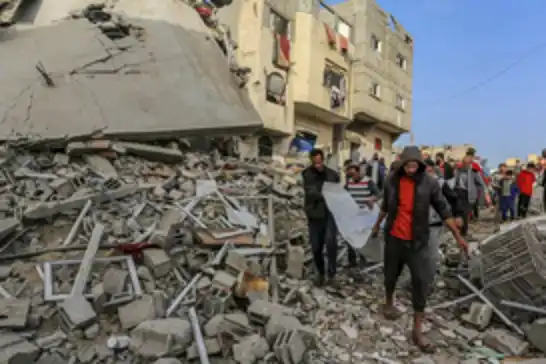
Medical sources in the Gaza Strip have reported that the death toll from the ongoing Israeli military offensive has risen to 72,980, with 173,171 people injured since the start of the war on October 7, 2023.