Qalibaf: Iran will not accept prolonged ‘neither war nor peace’ situation
 13 oC

Güneşli

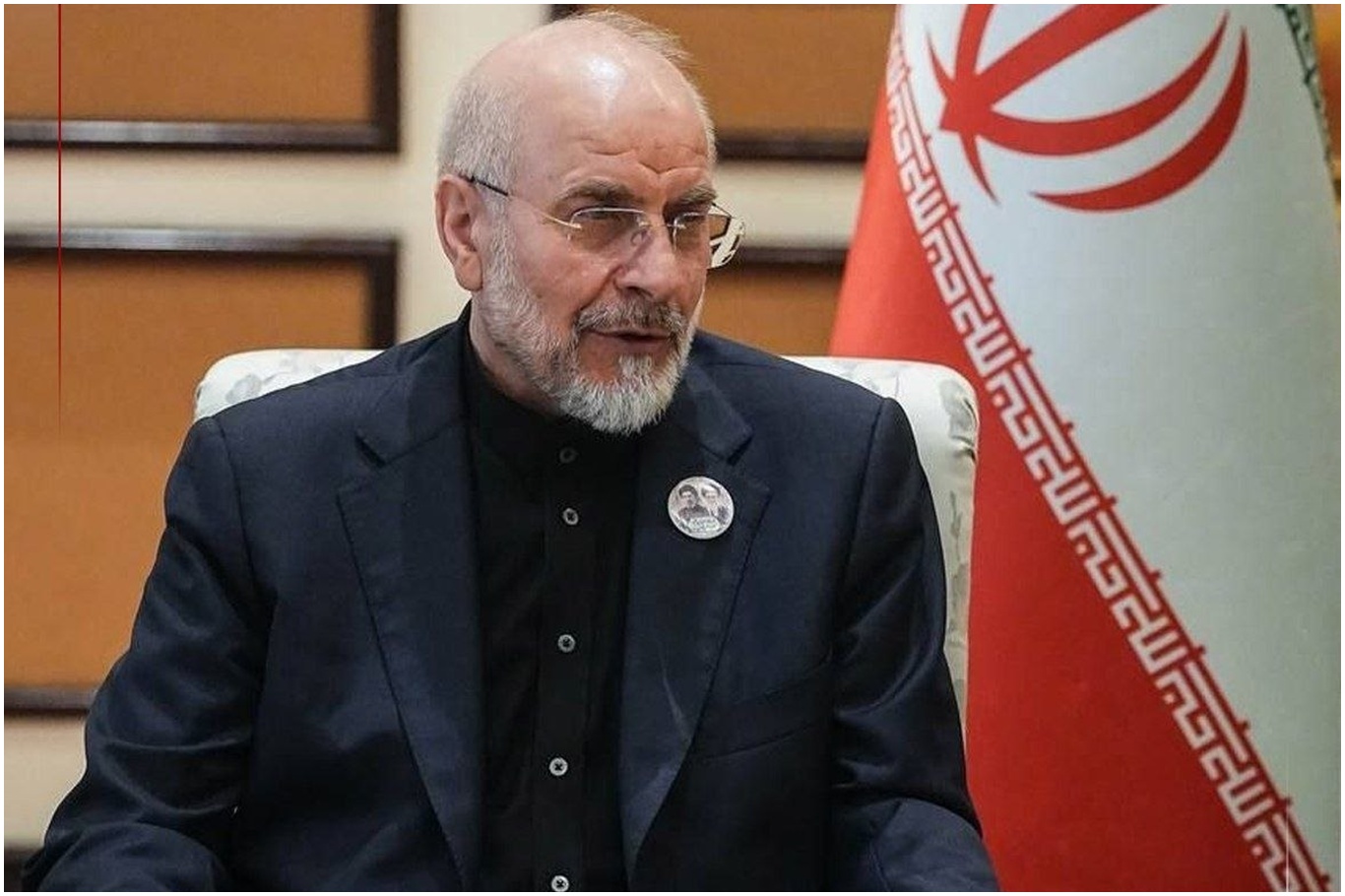
Iran will not accept a prolonged state of neither war nor peace and remains open to an agreement with the United States if Washington accepts Tehran’s seven reasonable conditions, Parliament Speaker Mohammad Baqer Qalibaf said, warning that any renewed US aggression would have far-reaching consequences.
Addressing an open session of parliament on Sunday, Qalibaf stressed that Iran was prepared for either negotiations or confrontation and would not allow Washington to dictate the terms of its future.
He said acceptance of Iran’s seven conditions, which he described as the outcome of the Iranian nation's sacrifices, resilience and perseverance, would pave the way for an agreement.
“It makes no difference to us whether the United States wants negotiations or war,” Qalibaf said, emphasizing that the path to an agreement remained open if Washington demonstrated a genuine willingness to respect Iran’s demands.
The parliament speaker warned that any further US miscalculation would be met with a determined response from Iran’s Armed Forces.
“If the United States makes another mistake, it will be the capabilities and determination of our Armed Forces, not Washington’s wishes, that determine the geography of the battlefield,” he said, cautioning that another war would have consequences extending far beyond the two countries.
Qalibaf also criticized US Treasury Secretary Scott Bessent over his recent remarks, describing his language as unethical and reflective of Washington’s frustration in confronting the Islamic Republic.
He said Bessent should focus on the strategic setbacks suffered by the United States in the Persian Gulf rather than resorting to insults against other nations.
The remarks came amid renewed statements by senior Iranian officials rejecting pressure from Washington while reiterating Tehran’s readiness for negotiations based on mutual respect and equal terms.
President Masoud Pezeshkian said Leader of the Islamic Revolution Ayatollah Seyed Mojtaba Hosseini Khamenei had instructed officials to bring the neither-war-nor-peace situation to an end.
Pezeshkian stressed that Iran was prepared to negotiate on the basis of dignity, justice and equality but would not bow to threats, coercion or bullying.
Mohsen Rezaei, secretary of Iran’s Supreme National Security Council, also called on Washington to abandon what he described as fabricated reports about negotiations with Tehran and accept Iran’s seven conditions.
Foreign Minister Abbas Araqchi similarly warned that Washington must choose between accepting Iran’s conditions and continuing the war, stressing that the country's Armed Forces remained fully prepared for either scenario.
Iran proposes 48-hour roadmap to restore security in Strait of Hormuz
Meanwhile, Tehran has put forward a two-day proposal aimed at restoring security and reopening the strategic Strait of Hormuz to commercial shipping.
Under the proposal, Iran would move toward reopening the waterway within 48 hours if the United States lifts its naval blockade of Iranian ports, ends the war on all fronts and unfreezes Iranian assets held abroad.
Foreign Ministry spokesperson Esmaeil Baqaei described the proposal as a logical roadmap for restoring security in the strait, underscoring Tehran’s position that maritime stability cannot be achieved through unilateral pressure and restrictions against Iran.
The Strait of Hormuz is one of the world's most critical energy transit routes, making developments there a major concern for international shipping and global energy markets.
Iran's latest statements underline its insistence that any diplomatic settlement must recognize the country's sovereignty, security interests and legitimate demands. While Tehran has left the door open to negotiations, its officials have made clear that Iran will not accept an agreement imposed through military threats or economic coercion. (ILKHA)
LEGAL WARNING: All rights of the published news, photos and videos are reserved by İlke Haber Ajansı Basın Yayın San. Trade A.Ş. Under no circumstances can all or part of the news, photos and videos be used without a written contract or subscription.
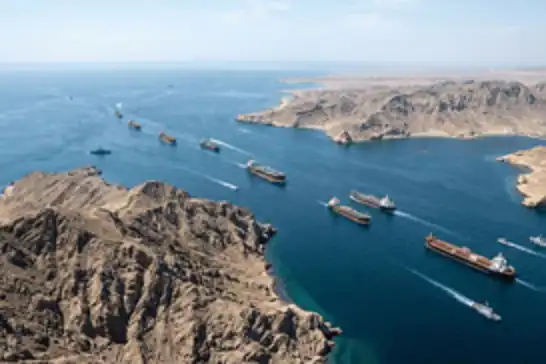
Two oil tankers caught fire and exploded after striking naval mines while attempting to pass through an unauthorized route in the Strait of Hormuz with their navigation and automatic identification systems switched off, Iran’s Islamic Revolutionary Guard Corps (IRGC) Navy has announced.
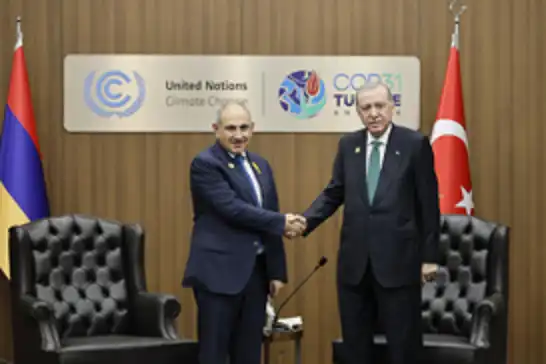
Armenia and Türkiye are close to establishing diplomatic relations and fully reopening their shared border, Armenian Prime Minister Nikol Pashinyan has said, pointing to recent progress in bilateral ties and a positive meeting with Turkish President Recep Tayyip Erdoğan.

Hamas' armed wing, the Al-Qassam Brigades, has confirmed that its Rafah Brigade commander, Samir Abu Younis, also known as Abu Mahmoud, was martyred in an Israeli airstrike in the southern Gaza Strip, as Israel continues its attacks despite the ceasefire agreement.