Oil prices rebound above $100 as fresh tanker attacks heighten supply concerns
 13 oC

Güneşli

Global oil prices climbed back above $100 a barrel on Friday, recovering from a sharp two-day sell-off as renewed attacks on commercial vessels around the Strait of Hormuz revived concerns over disruptions to Middle Eastern energy supplies.
Brent crude futures rose to $100.75 a barrel, gaining $2.46, or 2.5%, from Thursday's settlement of $98.29. US West Texas Intermediate (WTI) crude also advanced, trading above $91 a barrel after closing at $90.52 in the previous session.
The rebound followed a steep decline on Wednesday, when Brent plunged 8.7% to $94.62 a barrel, while WTI dropped 8.3% to $88.12. Both benchmarks recorded their lowest settlements since August 31, marking their biggest single-day losses since April.
Despite Friday's recovery, oil prices remained on course for a substantial weekly decline, with both benchmarks losing around 12% over the week.
Tanker attacks revive supply fears
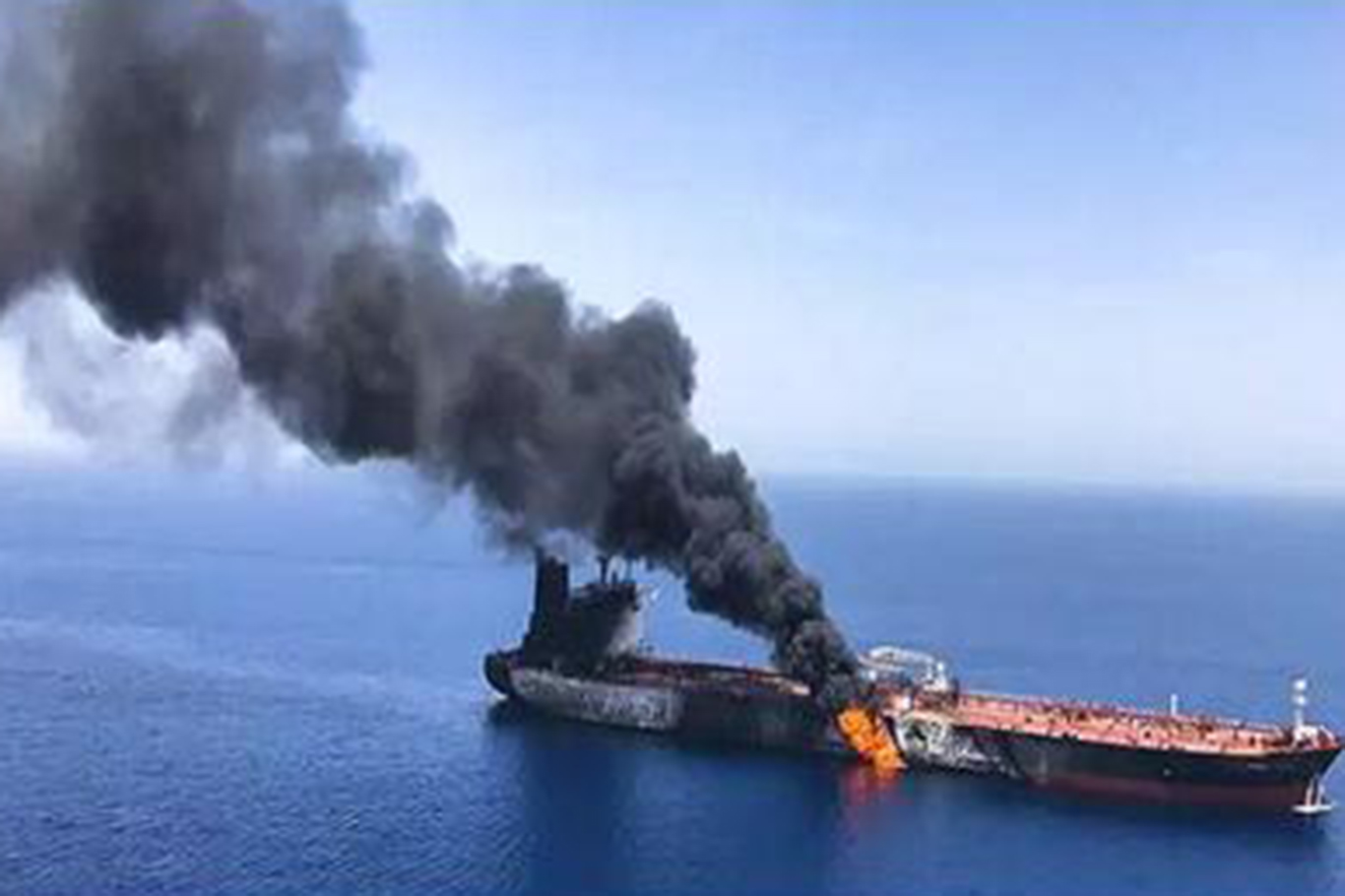
Fresh attacks on commercial vessels in and around the Strait of Hormuz have heightened concerns about the security of international oil shipments.
According to the United Kingdom Maritime Trade Operations (UKMTO), at least five vessels have reported incidents in the Gulf since Sunday. The pace of attacks remains close to October's record, when 35 vessels were hit, marking the highest monthly total since the conflict began.
Iran's Islamic Revolutionary Guard Corps (IRGC) said two oil tankers and a tugboat caught fire in separate incidents after attempting to navigate routes through the Strait of Hormuz that it described as unauthorised.
The renewed incidents have raised concerns among traders that any improvement in diplomatic relations may not immediately translate into safer maritime transport or the full restoration of oil shipments.
The Strait of Hormuz is a critical shipping route for global energy markets, connecting major oil-producing countries in the Persian Gulf with international markets.
Political developments weigh on oil markets
Oil prices had come under heavy pressure earlier in the week following the US midterm election results, which saw Democrats win control of both chambers of Congress, dealing a major setback to President Donald Trump's Republican Party.
Investors initially interpreted the outcome as increasing political pressure on Trump to bring the US-Israeli war against Iran to an end, raising hopes of a diplomatic breakthrough and a gradual restoration of regional energy supplies.
However, the latest maritime incidents have highlighted the risks of assuming that the conflict will end quickly.
Trump said on Thursday that Iran could not take any action concerning its nuclear programme without Washington's approval. He also said he would have to decide whether to pursue further military action against Tehran or accept the current situation.
Meanwhile, Iranian Foreign Minister Abbas Araqchi discussed developments in diplomatic efforts to promote regional stability in separate telephone conversations with his Saudi and Qatari counterparts, according to Iran's Foreign Ministry.
Escalation could push prices higher
Market analysts have warned that a further escalation of the conflict could trigger another sharp increase in oil prices.
Eurasia Group estimated that renewed escalation could push Brent crude into a range of $110 to $125 a barrel, despite the recent sell-off.
The group also lowered its estimated probability of a renewed US attack on Iran to 60% from 65%, while reducing the likelihood of a diplomatic agreement to 10% from 20%. It raised the probability of a prolonged standoff to 30%.
At the same time, signs of a potential global oil surplus are emerging. JPMorgan estimated that the market returned to a surplus of 1.1 million barrels per day in September, widening to 1.4 million barrels per day in October, as recovering supplies and weaker demand helped offset disruptions caused by the war.
The competing pressures of recovering supply, slowing demand and persistent geopolitical risks have left oil markets highly volatile, with the security of shipping routes through the Strait of Hormuz remaining a major factor in determining prices. (ILKHA)
LEGAL WARNING: All rights of the published news, photos and videos are reserved by İlke Haber Ajansı Basın Yayın San. Trade A.Ş. Under no circumstances can all or part of the news, photos and videos be used without a written contract or subscription.
Iranian Parliament Speaker Mohammad Bagher Ghalibaf has warned Washington that Israel is seeking to drag the United States into an endless war with Iran, cautioning that such a conflict could become a quagmire from which no American president would be able to escape.

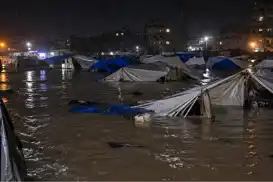
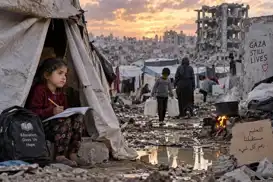
UN Special Rapporteur on the situation of human rights in the occupied Palestinian territory Francesca Albanese has condemned the worsening humanitarian conditions in Gaza, describing the plight of children forced to endure freezing temperatures in rain-flooded tents as "the shame of our time."
Turkish President Recep Tayyip Erdoğan has highlighted Türkiye's economic performance, record export figures, growing tourism revenues and new energy discoveries, saying the country is continuing its development drive despite mounting regional instability.

Yemen's Armed Forces have strongly condemned Saudi Arabia's continued military aggression against the country, reporting that Saudi warplanes carried out 103 airstrikes within 24 hours, targeting civilian areas across six Yemeni provinces.