Netanyahu announces record gas export deal with Egypt
 13 oC
13 oC 
Güneşli

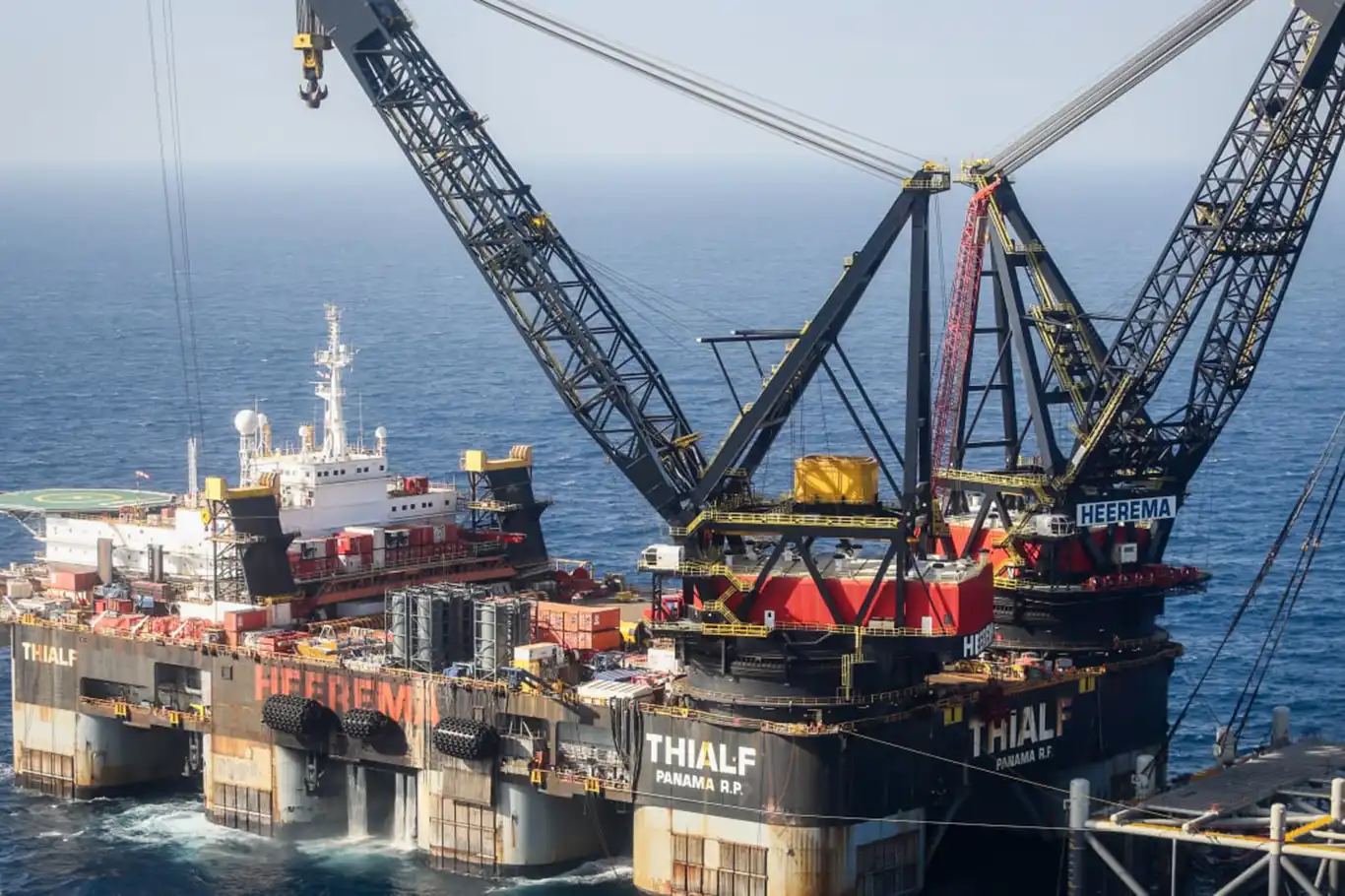
The Israeli regime has approved what Prime Minister Benjamin Netanyahu described as the largest natural gas export deal in its history, a multibillion-dollar agreement that will see gas from the Leviathan offshore field supplied to Egypt.
Speaking in a televised address on Wednesday, Netanyahu announced that the deal, valued at 112 billion shekels (around $34.7 billion), was signed in August with the US energy giant Chevron and its Israeli partners. Under the agreement, natural gas extracted from the Leviathan field in the eastern Mediterranean will be exported to Egypt over the coming years.
“I have today approved the largest gas deal in Israel’s history,” Netanyahu said, claiming the agreement would strengthen the Israeli regime’s position as a regional energy power and “contribute to regional stability,” despite Israel’s continued violations of international law and its ongoing genocide against Palestinians in Gaza.
Netanyahu said the deal had faced delays due to unresolved issues, adding that it was approved only after what he called Israel’s “vital security interests” were secured, though he declined to provide details.
Growing Egyptian Dependence on Israeli Gas
Egypt’s natural gas production began declining in 2022, forcing Cairo to abandon its ambitions of becoming a regional energy hub and to rely increasingly on gas imports. Since then, Egypt has turned to Israeli supplies to offset shortages and stabilize its energy sector, a shift that critics warn carries serious strategic and political risks.
The Leviathan field, one of the largest offshore gas discoveries in the eastern Mediterranean, has become a cornerstone of Israel’s regional energy strategy. Through exports to neighboring countries facing supply constraints, the Israeli regime has sought to translate energy dominance into political leverage.
Analysts note that Egypt’s growing dependence on Israeli gas exposes Cairo to potential political pressure, supply manipulation, and diplomatic constraints. Relying heavily on a single external supplier, particularly one aligned closely with US regional strategy, undermines Egypt’s energy security and limits its room for independent policy decisions.
Critics also argue that the deal weakens Egypt’s regional standing by tying its economic stability to a regime accused of committing genocide in Gaza and asserting dominance through military force.
US Backing and Strategic Calculations
The United States has openly supported Egypt’s reliance on Israeli gas, viewing it as a way to reinforce Israel’s position as a regional energy and political power while aligning regional energy networks with Washington’s interests. By ensuring Cairo’s dependence on Tel Aviv, the US effectively creates a lever of influence that strengthens Israeli dominance without direct American military intervention.
Israeli media outlet Ynet reported that Washington was keen for the deal to be finalized, noting that Chevron is expected to reap substantial profits from the agreement. The outlet said the deal is also likely to deepen political and security ties between Egypt and the Israeli regime.
According to the report, Israeli authorities have raised demands related to Egypt’s alleged violations of existing agreements, particularly concerning the deployment of forces, weapons, and infrastructure in the Sinai Peninsula. It remains unclear whether Egypt committed to additional security measures, including efforts to restrict the flow of military equipment into the Gaza Strip.
Financial Gains for Israel, Risks for Egypt
Netanyahu said the deal would bring significant revenue to Israel, claiming that during the first four years alone, the regime would receive around 500 million shekels, with annual revenues expected to rise to 6 billion shekels in the coming years as infrastructure, including pipeline expansions, is developed.
Meanwhile, Egypt has spent billions of dollars importing liquefied natural gas in recent years to compensate for declining domestic production. Critics argue that the Leviathan deal offers only short-term relief while deepening long-term vulnerability, reducing diversification options and increasing exposure to external political pressure.
Ynet also reported that approval of the gas deal could pave the way for a trilateral summit involving Netanyahu, US President Donald Trump, and Egyptian President Abdel Fattah el-Sisi. According to the report, Cairo made final approval of the agreement a condition for el-Sisi’s participation.
For many observers, the deal underscores how Israel continues to consolidate economic and geopolitical power in the region even as it carries out mass killings and destruction in Gaza, raising renewed questions about regional complicity and the moral cost of energy-driven alliances. (ILKHA)
LEGAL WARNING: All rights of the published news, photos and videos are reserved by İlke Haber Ajansı Basın Yayın San. Trade A.Ş. Under no circumstances can all or part of the news, photos and videos be used without a written contract or subscription.
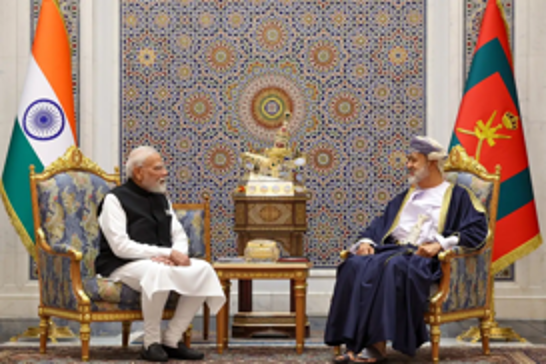
Indian Prime Minister Narendra Modi paid an official visit to the Sultanate of Oman from December 17–18, 2025, at the invitation of His Majesty Sultan Haitham bin Tarik, marking a significant milestone in bilateral relations as the two countries celebrate the 70th anniversary of the establishment of diplomatic ties.

The Hamas Movement has urged international mediators to take concrete and effective action to compel Israel to fulfill its obligations under the ceasefire agreement, warning that continued Israeli restrictions are pushing Gaza deeper into a humanitarian catastrophe.

Ukrainian drones reportedly struck a vessel at the Port of Rostov overnight on December 18, according to officials in Russia’s Rostov Oblast, triggering a large fire and casualties
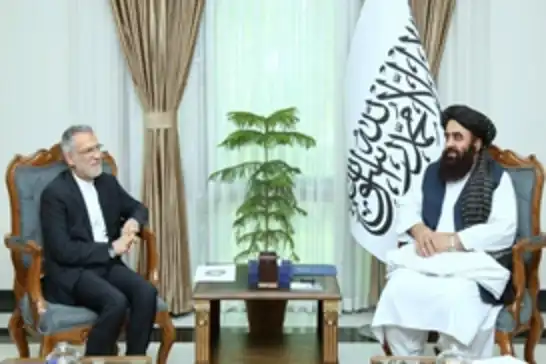
Afghanistan’s Acting Minister of Foreign Affairs, Mawlavi Amir Khan Muttaqi, met with Iranian diplomat Mohammad Reza Bahrami in a high-level discussion focused on strengthening bilateral relations and enhancing regional cooperation.