Mechichi warns Tunisia sliding toward economic and social collapse under 'one-man rule'
 13 oC
13 oC 
Güneşli

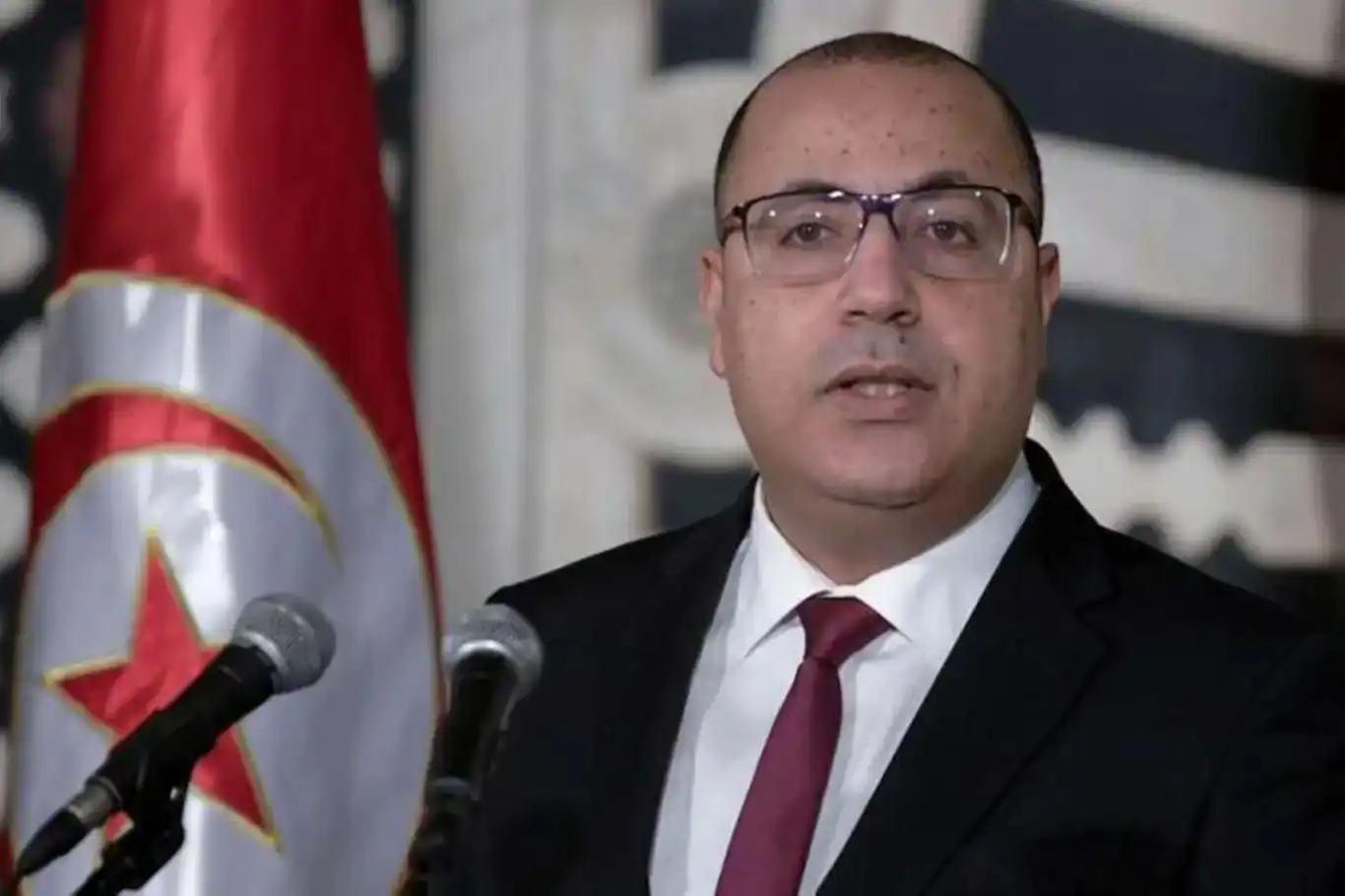
Former Tunisian Prime Minister Hichem Mechichi has warned that Tunisia is heading toward a severe economic and social collapse, blaming what he described as President Kais Saied’s consolidation of power and the absence of effective state institutions.
Speaking to Al Jazeera Mubasher from Paris, Mechichi said Tunisia’s economic and social indicators have “completely deteriorated,” pointing to rising prices, growing unemployment, and the failure to address long-standing structural and environmental crises. He stressed that the country is being run without functioning institutions capable of managing complex challenges or offering practical solutions.
Mechichi said the continuation of the current political trajectory, in the absence of a broad national consensus, would push Tunisia toward an irreversible outcome. He argued that the country has either reached the brink of collapse or already entered it, under a system of individual rule that rejects pluralism and sidelines democratic governance.
Democratic process “Deliberately Dismantled”
Referring to the events of July 25, 2021, Mechichi described the move as the deliberate dismantling of Tunisia’s post-revolution democratic experience. He said the suspension of parliament and the concentration of authority in the presidency marked a return to rule based on the will of a single individual, undermining political, constitutional, and legal gains achieved since the 2011 revolution.
The former prime minister said his removal from office was not the result of political agreement but came through pressure and coercion. He recalled that military forces were deployed around parliament, government buildings, and key state institutions, adding that he was held at the Carthage Palace before being placed under house arrest for several months.
“Unconstitutional Measures”
Mechichi said he confronted President Saied directly, warning that the measures being planned were unconstitutional and beyond the powers granted to the presidency. He stressed that the constitution does not allow the president to dissolve parliament, paralyze government functions, or use military force to shut down political institutions.
According to Mechichi, President Saied rejects dialogue and political coordination, relying solely on his own views while refusing to recognize intermediary bodies between the state and society. He warned that this approach poses a direct threat to state institutions and has rendered the country increasingly ungovernable.
Political Trials and Suppression of Opposition
The former prime minister also criticized ongoing trials targeting opposition figures, journalists, and civil society activists, describing them as politically motivated and aimed at eliminating dissent. He said many political figures are now either imprisoned or living in exile, a situation he described as incompatible with normal state governance.
Mechichi noted that during and after his house arrest, he faced security summonses and legal cases he described as fabricated, arguing that such prosecutions are being used to settle political scores and silence critics.
Call for National Consensus
Concluding his remarks, Mechichi said the freedom and dignity sought by Tunisians during the 2011 uprising have been replaced by fear, repression, and deepening poverty. He called for a broad national alignment among political forces committed to democracy and freedom, stressing that such consensus is essential to rescue Tunisia and restore its democratic path. (ILKHA)
LEGAL WARNING: All rights of the published news, photos and videos are reserved by İlke Haber Ajansı Basın Yayın San. Trade A.Ş. Under no circumstances can all or part of the news, photos and videos be used without a written contract or subscription.

A US administrative law judge in California has ruled that Tesla used misleading and deceptive language in marketing its “Autopilot” and “Full Self-Driving” (FSD) software, a decision that could lead to the temporary suspension of the company’s vehicle sales and production in the state.
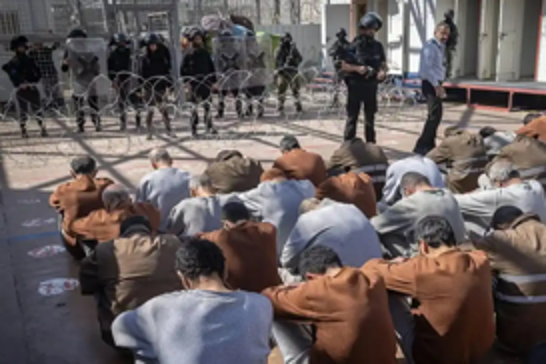
Palestinian prisoner rights organizations have warned that Israeli occupation forces (IOF) are currently holding approximately 9,300 Palestinian prisoners, including dozens of women and hundreds of children, amid mounting reports of torture, medical neglect, and enforced disappearance.
The United Nations has warned that humanitarian assistance to the Gaza Strip continues to face serious delays, as aid cargo is routinely deprioritized in favor of commercial goods, exacerbating already dire conditions for displaced families amid worsening winter weather.
US President Donald Trump has signed a new executive order further tightening the country’s immigration policy, imposing a full entry ban on citizens of five countries, including Syria, and on individuals holding passports or travel documents issued by the Palestinian Authority.