Italy puts 27 major cities on highest heat alert as temperatures soar
 13 oC
13 oC 
Güneşli

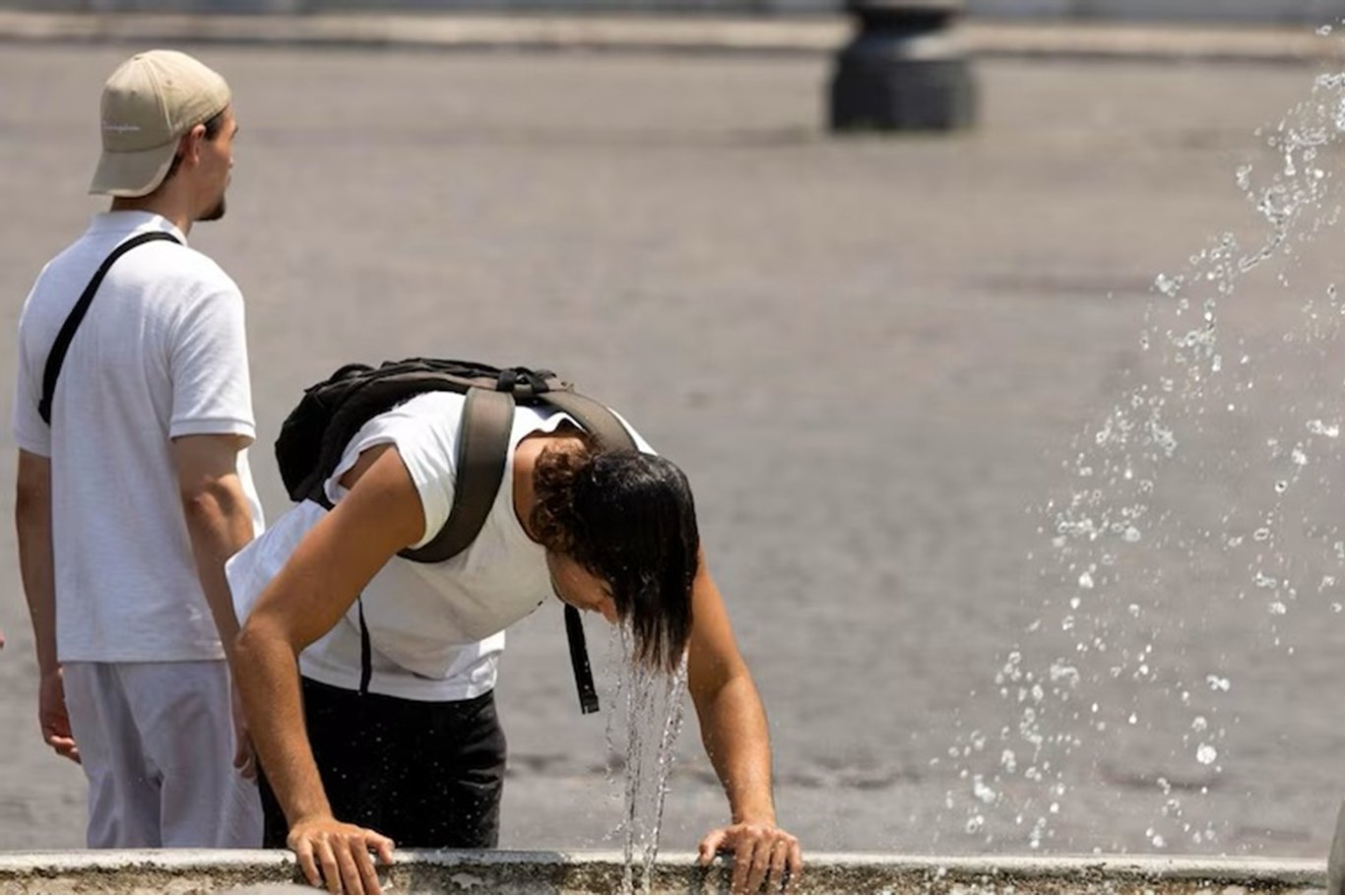
Italy has placed all 27 major cities monitored by the Health Ministry under the highest-level red heat alert for the first time on record, as the country grapples with its fourth major heatwave of 2026 and temperatures continue to soar across much of the peninsula.
The unprecedented nationwide alert comes as temperatures climb to 40°C (104°F) and above in several regions, prompting health authorities to warn of serious risks to public health, particularly for older adults, children, people with chronic illnesses, and outdoor workers.
According to the Italian Health Ministry, Messina and Reggio Calabria joined the 25 cities already under Level 3 (Red) heat warnings on Thursday, meaning every city included in the ministry's national monitoring system is now experiencing conditions considered hazardous to human health.
The affected cities include Rome, Milan, Naples, Florence, Turin, Bologna, Venice, Palermo, Genoa, Bari, Catania, Trieste, Ancona, Verona, Brescia, Cagliari, Perugia, Pescara, Campobasso, Latina, Rieti, Viterbo, Civitavecchia, Frosinone, Bolzano, Messina, and Reggio Calabria.
Meteorological forecasts indicate that the intense heat is likely to continue for at least another 10 days, with daytime temperatures expected to remain well above seasonal averages across central and southern Italy.
Some relief is anticipated in northern regions, where thunderstorms are forecast to arrive in the coming days.
The Health Ministry said Bolzano is expected to see its warning level reduced from red to yellow on Friday, while Brescia, Milan, Turin, Venice, and Verona could also move to yellow alerts by Saturday as cooler conditions reach northern Italy.
Even with those changes, more than 20 cities are expected to remain under the highest alert level.
Italy's Level 3 red alert is issued when prolonged extreme heat poses a significant threat to public health, including healthy individuals.
Authorities have urged residents to avoid outdoor activities during the hottest hours of the day, remain hydrated, stay in air-conditioned or shaded environments whenever possible, and regularly check on elderly relatives and vulnerable neighbors.
Hospitals in several regions have reported an increase in emergency admissions related to dehydration, heat exhaustion, and cardiovascular complications, while emergency medical services remain on heightened alert.
Local governments have expanded cooling centers, increased water distribution, and implemented additional assistance programs for vulnerable populations, including homeless individuals and elderly residents living alone.
The prolonged heat has continued to place severe pressure on Italy's agricultural sector.
Farmers have reported reduced crop yields, increasing irrigation demands, and worsening drought conditions affecting vineyards, olive groves, fruit orchards, and grain production.
Authorities have also strengthened wildfire monitoring and firefighting operations as high temperatures, dry vegetation, and strong winds continue to elevate the risk of forest fires across several regions.
Civil protection agencies remain on standby as fire crews respond to multiple blazes in central and southern Italy.
Italy's latest heatwave forms part of a broader pattern of extreme weather affecting large parts of southern and southeastern Europe during the summer of 2026.
Several neighboring countries have also experienced record-breaking temperatures, prolonged drought, and heightened wildfire risks, prompting health advisories and emergency measures.
The Copernicus Climate Change Service has reported that Europe continues to warm faster than any other continent, with the Mediterranean region identified as one of the world's climate change hotspots.
Climate scientists say rising global temperatures driven by greenhouse gas emissions are increasing both the frequency and intensity of extreme weather events, including heatwaves, droughts, floods, and wildfires.
They warn that episodes of prolonged extreme heat, once considered rare, are becoming more common across southern Europe, underscoring the growing challenges posed by climate change for public health, agriculture, water resources, and critical infrastructure. (ILKHA)
LEGAL WARNING: All rights of the published news, photos and videos are reserved by İlke Haber Ajansı Basın Yayın San. Trade A.Ş. Under no circumstances can all or part of the news, photos and videos be used without a written contract or subscription.

The Yemeni Armed Forces (YAF) announced on Thursday that they had carried out a large-scale military operation targeting Saudi military positions and reinforcements, inflicting heavy casualties and significant material losses amid escalating tensions between the two sides.
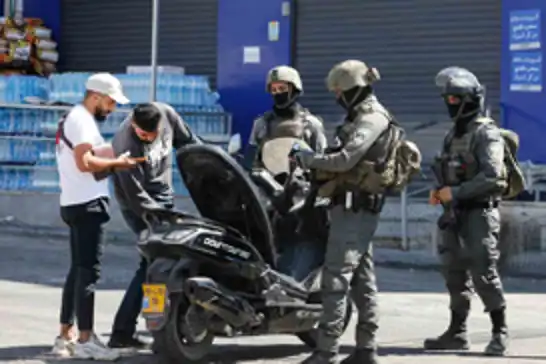
At least 16 Palestinians have been injured since Israeli occupation forces launched their ongoing military raid on Qalandia refugee camp and the nearby town of Kafr Aqab, north of occupied Jerusalem, according to the Palestine Red Crescent Society.
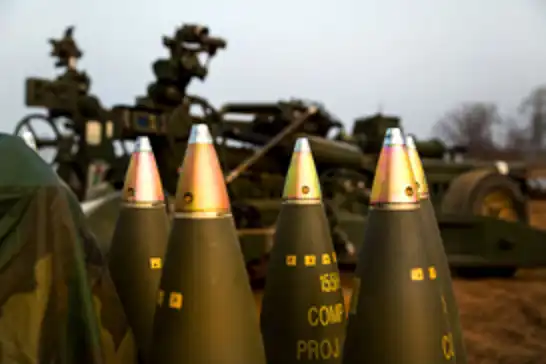
The United States has approved a potential $270 million Foreign Military Sale (FMS) of M795 155mm high-explosive artillery shells and related support to Norway, a move aimed at strengthening Oslo's artillery capabilities as NATO allies continue to replenish ammunition stockpiles amid heightened security concerns in Europe.