Israeli warplanes hit southern Lebanon hours after UN-brokered meeting
 13 oC
13 oC 
Güneşli

Israeli warplanes carried out a new wave of attacks on southern Lebanon on Thursday, striking several towns and heightening concerns that Israel is deliberately undermining the fragile ceasefire reached in November 2024.
The escalation came just one day after Lebanese and Israeli civilian representatives held rare, UN-hosted discussions aimed at stabilizing the border.
Despite the ceasefire—intended to halt more than a year of Israeli aggression—Israel has continued launching raids across Lebanon’s southern regions, while also maintaining military forces in at least five Lebanese areas it labels “strategic.” Lebanese officials and residents have repeatedly denounced these deployments as clear violations of Lebanese sovereignty.
A brief pause in Israeli strikes occurred during the three-day visit of Pope Leo XIV, who arrived in Beirut on Sunday and publicly called for an end to the violence. His visit brought temporary relief to communities in the south, but Israeli attacks resumed almost immediately after his departure.
On Thursday, the Israeli military announced that it had begun operations against what it described as “Hezbollah terror targets” in southern Lebanon. Residents in Mahrouna and Jbaa reported receiving Israeli warnings before multiple strikes hit buildings in the area. Additional warnings were issued for Majadal and Baraasheet.
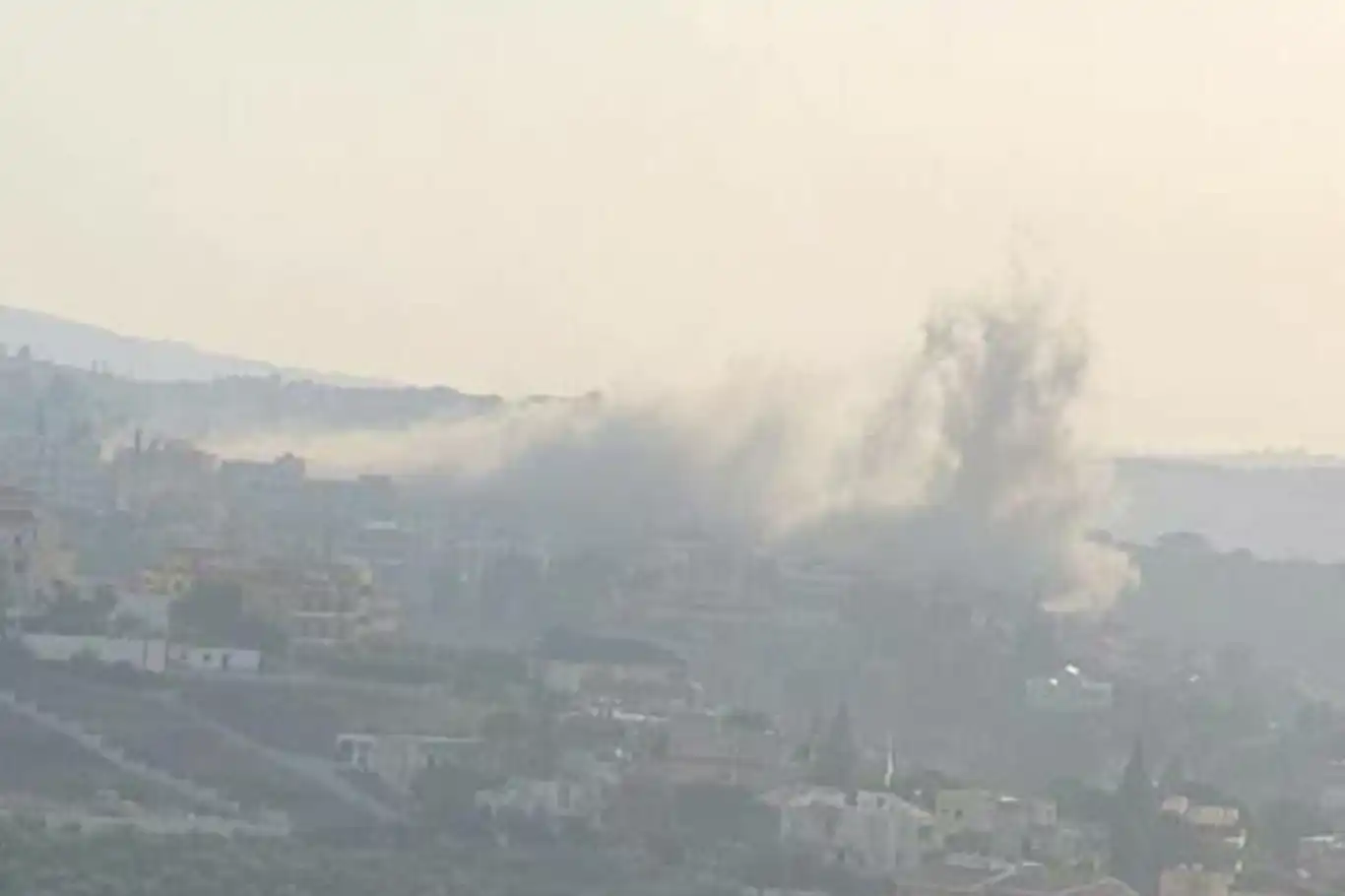
Lebanon’s National News Agency confirmed that warplanes struck Mahrouna and carried out further raids on Jbaa, Majadal and Baraasheet. Smoke was seen rising over Jbaa following the bombardment.
The renewed Israeli attacks have deepened Lebanese fears of a broader escalation. Although the Lebanese government has reiterated its commitment to implementing the ceasefire terms, officials stress that Israel’s continued bombardments and occupation of Lebanese territory are the primary obstacles to stability.
On Wednesday, Lebanese and Israeli civilian representatives participated—under heavy UN supervision—in an unusual meeting at the UN peacekeeping force’s headquarters in Naqura. The gathering was part of the existing ceasefire monitoring committee, which includes the United States, France, Lebanon, Israel and the UN force. Lebanese officials emphasized that their participation was strictly limited to truce implementation and did not signal any shift toward normalization.
Prime Minister Nawaf Salam made this clear, warning that no political breakthroughs should be assumed.
“We are not yet at peace talks,” he said. “These discussions are solely focused on stopping Israeli hostilities, securing the release of Lebanese detainees, and achieving a full Israeli withdrawal from our territory.”
Israel’s government claimed the talks had a “positive” atmosphere and suggested exploring “economic cooperation,” but Lebanese officials dismissed such statements as premature and unrelated to the immediate security crisis. Beirut insists that genuine stability can only begin once Israel fully respects Lebanese territory and airspace.
The United States continues to pressure Lebanon regarding Hezbollah’s weapons, but Lebanese political leaders argue that disarmament cannot be discussed while Israel continues its incursions and violations. For many in Lebanon, Israel’s latest air raids only reinforce the need for strong national defense capabilities.
US envoy Morgan Ortagus attended the Naqura meeting after visiting Jerusalem earlier in the week, where she met with Israeli Prime Minister Benjamin Netanyahu and Foreign Minister Gideon Saar.
As strikes continue and tensions rise, Lebanese civilians remain the primary victims—caught between an Israeli military that disregards Lebanese sovereignty and an international community struggling to enforce the ceasefire it helped broker. (ILKHA)
LEGAL WARNING: All rights of the published news, photos and videos are reserved by İlke Haber Ajansı Basın Yayın San. Trade A.Ş. Under no circumstances can all or part of the news, photos and videos be used without a written contract or subscription.
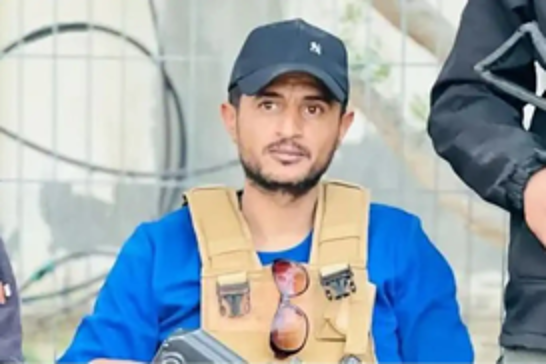
Yasser Abu Shabab, one of the most notorious Israeli collaborators in Gaza and the militia leader most sought by Hamas, was reportedly killed on Thursday in the southern city of Rafah, according to local Palestinian media.
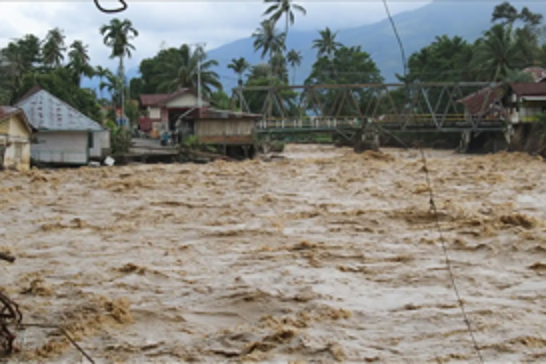
Rescuers across South and Southeast Asia continued to battle treacherous conditions on Wednesday as catastrophic floods and landslides left more than 1,400 people dead and close to 1,000 missing.
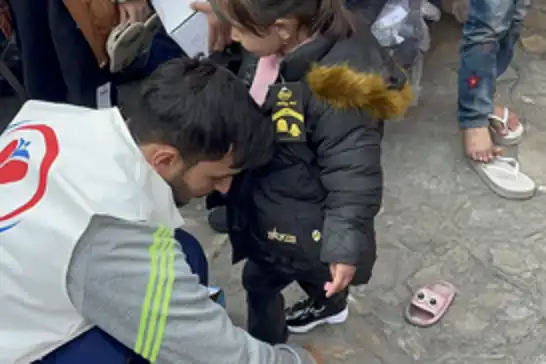
The Orphans Foundation (Yetimler Vakfı) has successfully delivered much-needed aid packages containing coats, boots, and a variety of winter clothing items to vulnerable children across Afghanistan.