Iran says US must lift sanctions before any further negotiations
 13 oC

Güneşli

Iran has accused the United States of violating its commitments under the Islamabad memorandum of understanding (MoU), insisting that Washington must end its naval blockade, lift illegal sanctions and agree to a comprehensive cessation of hostilities before any meaningful negotiations can proceed.
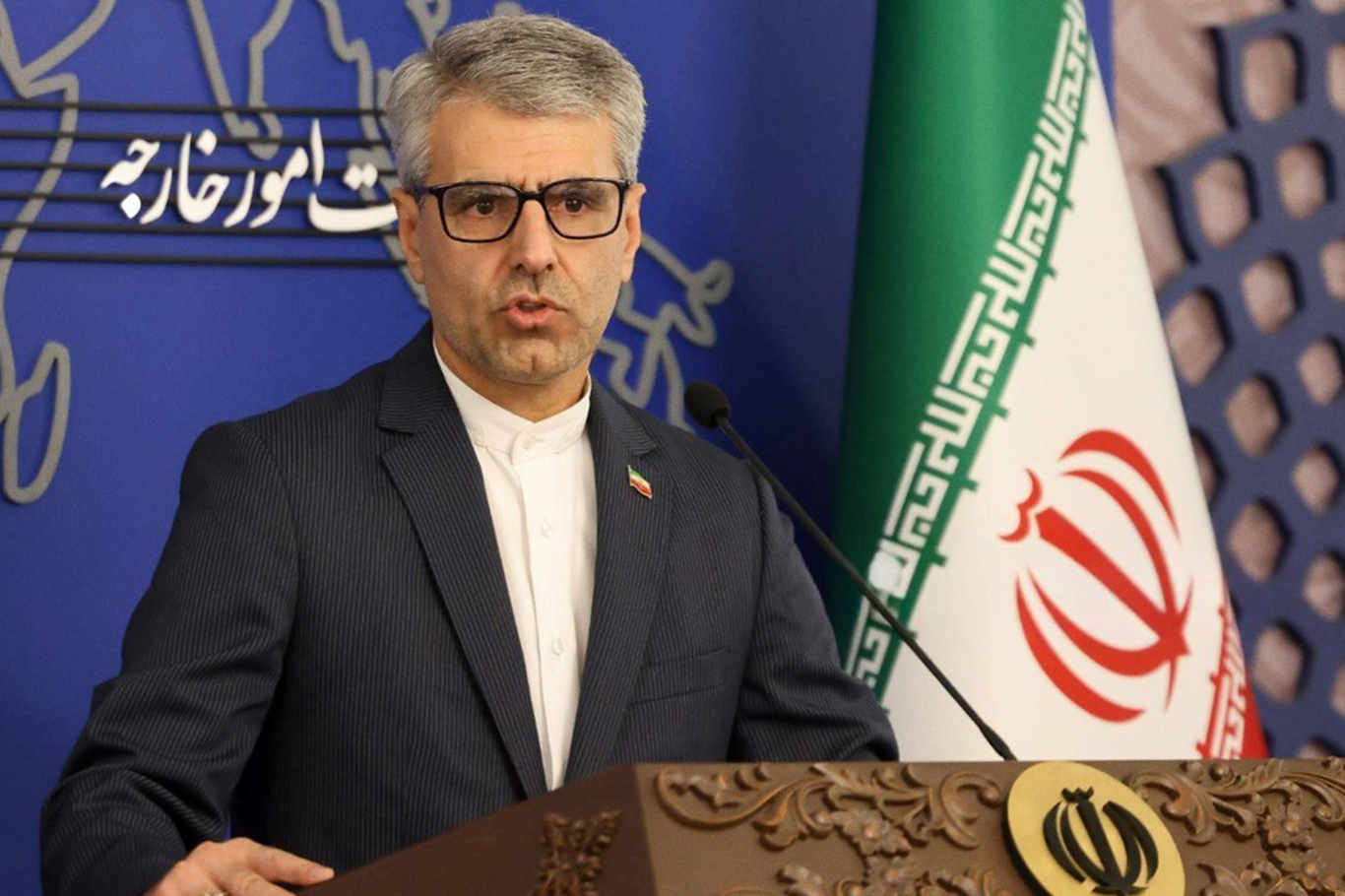
Speaking at his weekly press briefing on Monday, Iranian Foreign Ministry spokesman Esmaeil Baghaei said Washington had failed to honor the obligations it had accepted under the understanding reached between Iranian President Masoud Pezeshkian and US President Donald Trump.
Baghaei stressed that Iran's demands were neither unreasonable nor excessive, arguing that the United States must decide whether it is genuinely committed to diplomacy or intends to continue its coercive policies against Tehran.
Responding to US Secretary of State Marco Rubio's characterization of Iran's demands as unacceptable, Baghaei questioned what was unreasonable about demanding an end to the US naval blockade, the lifting of sanctions before negotiations and a halt to the war on all fronts.
He said the US commitment under the Islamabad understanding had lasted less than two weeks, accusing Washington of repeatedly undermining diplomatic efforts through its failure to fulfill its promises.
The spokesman also praised Iran's armed forces, including border defenders, aerospace units, the Islamic Revolutionary Guard Corps (IRGC) and the regular Army, for their continued efforts to protect the country's sovereignty, territorial integrity and national interests.
Iranian resistance exposed US failure, spokesman says
Addressing the political repercussions of the US-Israeli war against Iran, Baghaei said the American public had already delivered its message through the midterm elections.
He argued that Washington's military aggression against Iran had contributed to growing public dissatisfaction with the US administration and its foreign policy.
Baghaei rejected the notion that the US military campaign itself had led to Washington's political setbacks, saying it was the resistance of the Iranian people that prevented the United States from presenting the war as a victory.
He added that Iran made no distinction between Republican and Democratic administrations, arguing that both had contributed to policies hostile to the Islamic Republic.
Iran condemns continued Israeli attacks on Gaza and Lebanon
Turning to the situation in occupied Palestine, Baghaei condemned Israel's continued attacks on Gaza despite the Sharm el-Sheikh understanding, accusing the Israeli regime and its main backer, the United States, of disregarding their commitments.
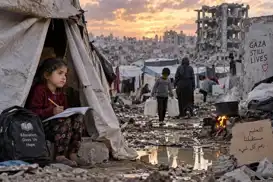
He highlighted the worsening humanitarian crisis in the besieged enclave as winter approaches, saying displaced Palestinians were facing freezing temperatures, severe shortages and deteriorating living conditions.
Baghaei accused Israeli forces of obstructing humanitarian and medical assistance while continuing attacks on displaced Palestinians and their makeshift shelters. He also condemned settler attacks against Palestinians.
The Iranian spokesman further denounced Israel's intensified military operations in southern Lebanon, criticizing international institutions for failing to take effective action to stop the attacks.
Iran holds US-Israeli aggression responsible for insecurity in Strait of Hormuz
On the strategic Strait of Hormuz, Baghaei said the waterway had remained open until February 28 and that the current insecurity was a direct consequence of US and Israeli aggression against Iran.
He maintained that Tehran's actions were grounded in international law and aimed at defending the country's national security and sovereignty.
Baghaei said Iran's armed forces were responding to hostile drones by intercepting and capturing them intact or shooting them down, adding that continued US intervention would prevent the restoration of security in the strategic waterway.
He also dismissed Washington's so-called "Iron Gate" initiative against Iran, describing it as an attempt by US military figures to justify their failures. He said recent American efforts against the Islamic Republic were destined to fail.
Iran says its two-day proposal upholds national rights
Discussing Tehran's latest two-day proposal, Baghaei said it incorporated the understandings previously reached by Washington under the Islamabad MoU.
He stressed that lifting sanctions remained among Iran's fundamental demands and was not an issue the country could abandon.
The spokesman reiterated that Washington had previously accepted certain commitments but subsequently violated them, adding that Iran could not be held responsible for the US failure to honor its obligations.
Tehran rejects external pressure on ties with Iraq and Pakistan
Addressing regional relations, Baghaei said cooperation between Iran and Iraq would not be undermined by US pressure.
He described exchanges and visits between neighboring countries as natural, particularly under current circumstances, and praised the historical solidarity between the Iranian and Iraqi peoples.
He recalled Iran's support for the Iraqi people during periods of severe international sanctions, emphasizing that the two countries would remain close neighbors regardless of external pressure.
On relations with Pakistan, Baghaei described the ties between the two countries as deep, genuine and independent of any mediation efforts.
He welcomed Islamabad's diplomatic role in facilitating regional dialogue, saying Tehran was determined to use the opportunity to further strengthen bilateral relations.
Iran reaffirms commitment to cooperation with IAEA
Regarding cooperation with the International Atomic Energy Agency (IAEA), Baghaei said Iran had not abandoned its international commitments under the Non-Proliferation Treaty (NPT).
However, he argued that US and Israeli actions had created conditions that made normal cooperation with the UN nuclear watchdog difficult.
He also criticized IAEA Director General Rafael Grossi and the agency for what he described as failures to fulfill their responsibilities.
Baghaei confirmed that an inspection of Iran's Bushehr nuclear power plant had taken place in recent days and said Tehran's mission in Vienna remained in professional contact with the agency.
Tehran calls for dialogue to resolve Saudi-Yemeni conflict
Rejecting accusations of interference in Yemen, Baghaei said Iran's condemnation of attacks against the Yemeni people and its calls for an end to bloodshed should not be portrayed as interference in another country's affairs.
He reiterated Tehran's position that the conflict involving Saudi Arabia and Yemen should be resolved through dialogue rather than military confrontation.
The spokesman concluded by reaffirming Iran's commitment to strengthening relations with neighboring countries and pursuing regional diplomacy while defending its national interests and sovereignty. (ILKHA)
LEGAL WARNING: All rights of the published news, photos and videos are reserved by İlke Haber Ajansı Basın Yayın San. Trade A.Ş. Under no circumstances can all or part of the news, photos and videos be used without a written contract or subscription.

US President Donald Trump acknowledged that his administration's mass deportation policy had been "too tough" but stopped short of committing to any changes, as debate over immigration intensified following Republican losses in the recent midterm elections.

The death toll from Israel's genocidal war on the Gaza Strip has risen to 74,643, with 175,962 others injured since October 7, 2023, according to Palestinian medical sources.
European Orphan Hand (Avrupa Yetim Eli) has provided humanitarian assistance and sustainable livelihood support to hundreds of vulnerable families in Benin, distributing food packages, cash assistance, sacrificial meat, dairy goats and sewing machines.