IAEA warns of nuclear risk after strike near Iran’s Bushehr plant
 13 oC
13 oC 
Güneşli

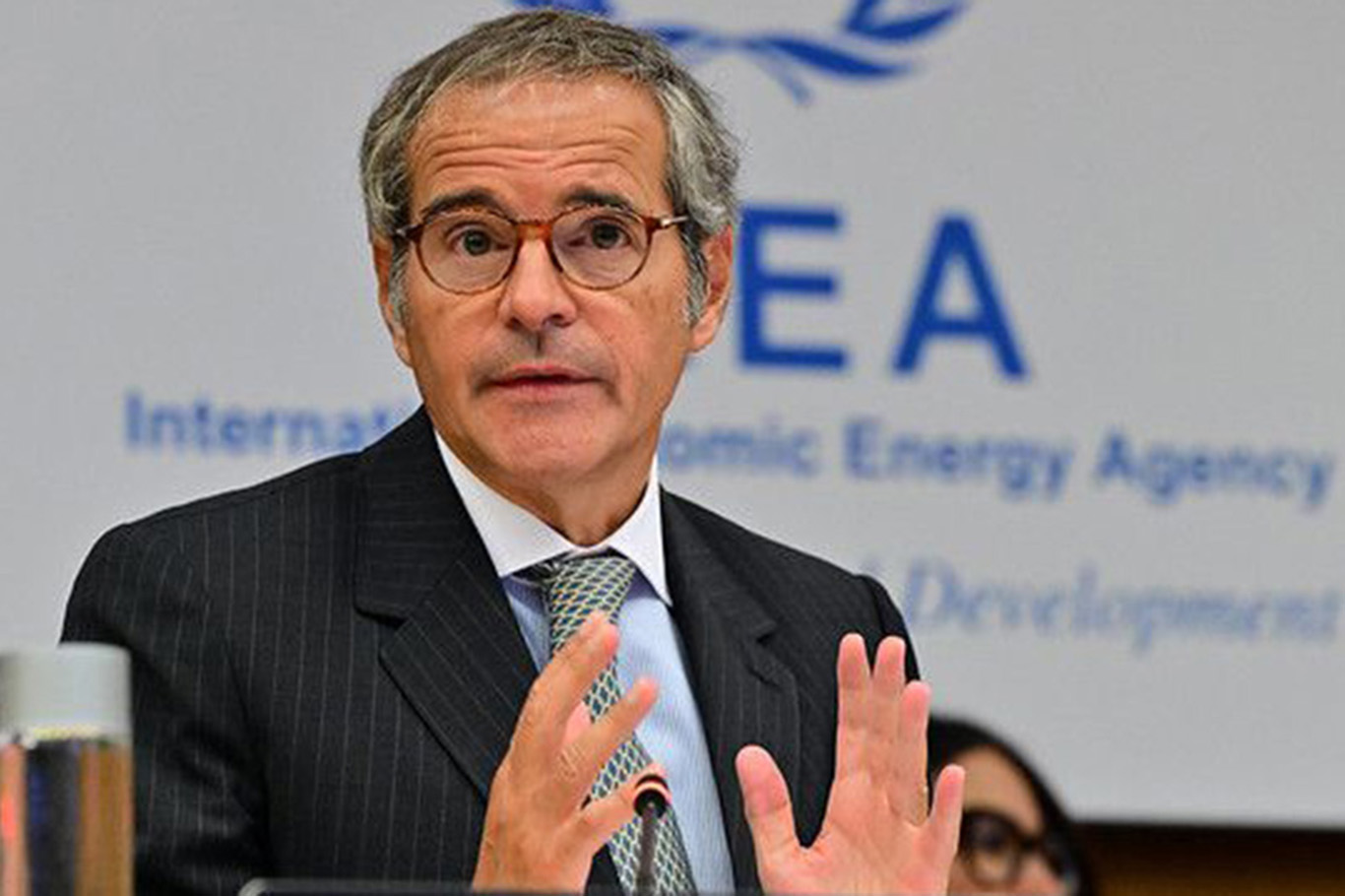
The International Atomic Energy Agency has called for “maximum military restraint” following reports that a strike targeted an area near Iran’s Bushehr Nuclear Power Plant, heightening concerns over nuclear safety amid the ongoing conflict.
In a statement on X on Saturday, IAEA Director General Rafael Mariano Grossi expressed “deep concern” over the incident, emphasizing that nuclear facilities and surrounding areas must never be attacked under any circumstances. He reiterated the “paramount importance” of adhering to internationally recognized principles designed to ensure nuclear safety and security during armed conflict.
The agency confirmed that the strike near the Bushehr Nuclear Power Plant—Iran’s only operational nuclear power facility—marked the fourth such incident since the escalation of hostilities began on February 28. The plant is located in a densely populated area, with approximately 250,000 residents living in the surrounding city.
According to initial reports, a security staff member was killed by projectile fragments, while parts of the facility sustained minor damage from shockwaves and debris. Grossi noted that no increase in radiation levels has been detected so far, offering some reassurance amid fears of a potential nuclear incident.
Iran’s Foreign Minister Abbas Araghchi condemned the attack, drawing comparisons to international reactions following military activity near the Zaporizhzhia Nuclear Power Plant in Ukraine. He warned that any serious damage to Bushehr could have catastrophic consequences beyond Iran’s borders, particularly for countries along the Persian Gulf.
The strike comes alongside reported attacks on energy infrastructure in southern Iran. Media outlets, including Al Jazeera, said at least two petrochemical facilities in Khuzestan province—one of the country’s key energy hubs—were hit, leaving several people injured. Iran’s Mehr News Agency reported damage to the Bandar Imam petrochemical complex, a major producer of liquefied petroleum gas and other chemical products.
Meanwhile, Donald Trump has recently warned that Iran’s energy infrastructure, including power plants, could be targeted if Tehran does not alter its position regarding the Strait of Hormuz. The waterway, a critical global oil transit route, has been at the center of rising tensions, with disruptions contributing to volatility in global energy markets.
International law experts have cautioned that deliberate attacks on civilian infrastructure, particularly nuclear facilities, could constitute serious violations of international humanitarian law. The IAEA’s latest warning underscores growing global concern that continued escalation risks not only further loss of life but also a potential environmental disaster with far-reaching consequences.
As the situation develops, the agency has reiterated its readiness to work with all parties to ensure the safety and security of nuclear sites, urging restraint to prevent a crisis that could extend well beyond the immediate conflict zone. (ILKHA)
LEGAL WARNING: All rights of the published news, photos and videos are reserved by İlke Haber Ajansı Basın Yayın San. Trade A.Ş. Under no circumstances can all or part of the news, photos and videos be used without a written contract or subscription.
United Nations Secretary-General António Guterres has strongly condemned new US sanctions targeting the International Criminal Court (ICC) as an institution, warning that the measures could undermine its ability to pursue international criminal justice.
A powerful earthquake with a magnitude of 7.7 struck southern Panama on Friday, shaking buildings in the capital, prompting evacuations and triggering tsunami alerts for parts of the Pacific coast of Central and South America.

The European Commission will represent the European Union at the latest round of Ukraine peace talks on October 9, with Björn Seibert, chief of staff to Commission President Ursula von der Leyen, attending on behalf of the bloc, diplomatic sources told the Kyiv Independent.
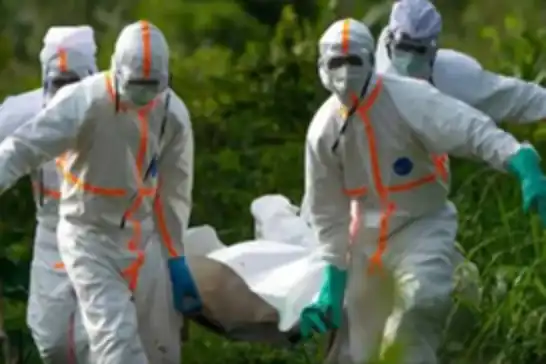
The number of people who have died from Lassa fever in Nigeria has risen to 263 this year, while the number of confirmed cases recorded between January and September reached 1,115, according to health authorities.