Extreme heat dries up rivers across southern France, threatening aquatic life
 13 oC
13 oC 
Güneşli

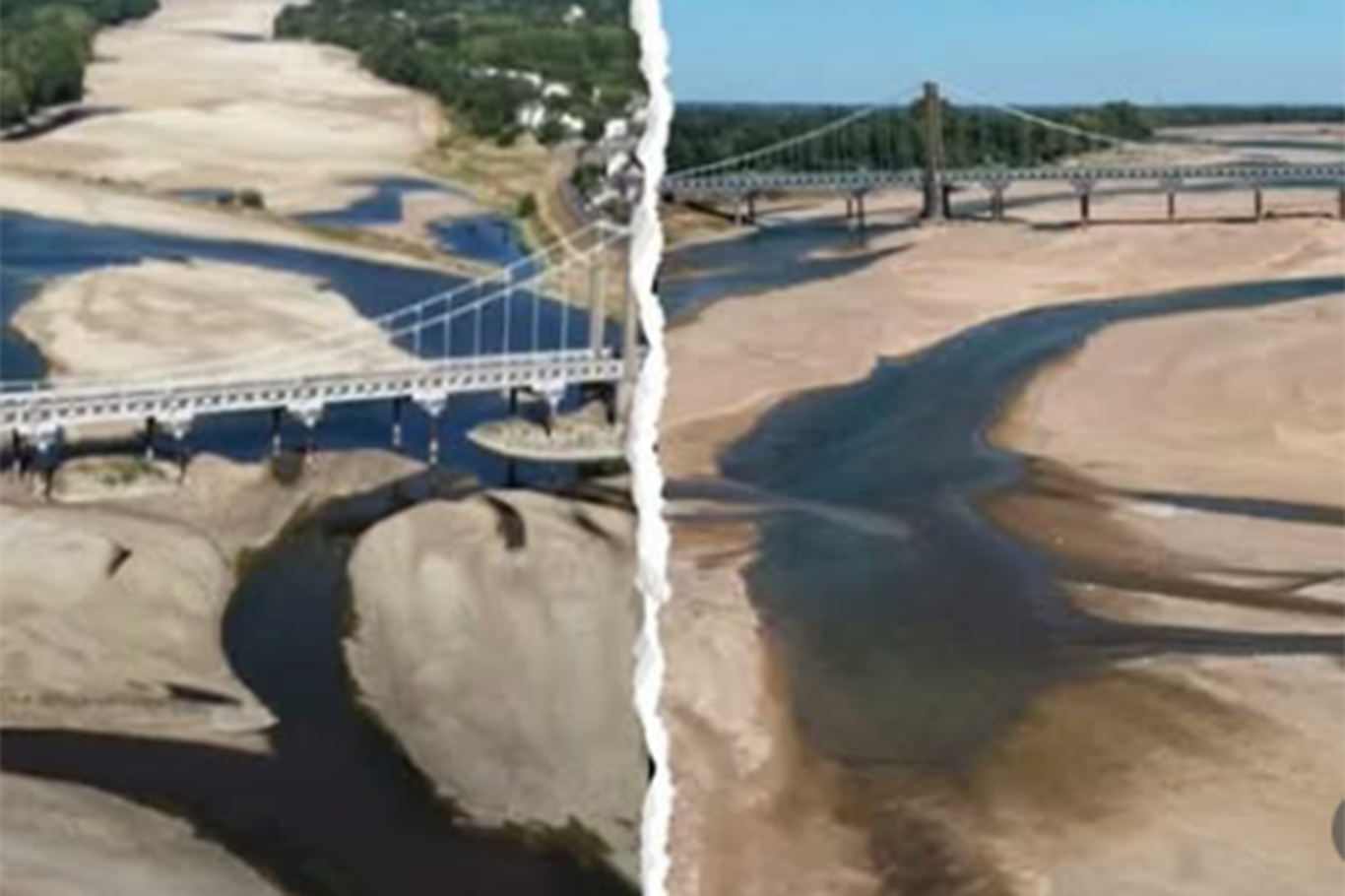
A devastating combination of prolonged drought and successive heatwaves is rapidly drying up waterways across southern France, triggering a major ecological shift that threatens to permanently alter the region’s aquatic ecosystems.
According to a report by Franceinfo on Saturday, rivers and streams throughout the Languedoc and Roussillon regions have faced plummeting water levels, severely reduced flows, and spiking temperatures over the past two months. The crisis has left conservationists racing to monitor a rapidly changing environment where cold-water fish are vanishing while hardier, invasive species thrive.
Data from the French Office for Biodiversity's (OFB) Onde monitoring network show that by the end of June, 16% of rivers across France had completely dried up, while another 10% recorded virtually no visible flow, reflecting critically low water levels.
The situation is particularly severe in the southern Aude department, where 22% of waterways have dried up—the highest proportion recorded in the country.
Mediterranean regions have been hardest hit, with 10% to 20% of rivers and streams drying out during the summer, compared with the national average of 5% to 10%.
Environmental experts say the timing of the drought is especially concerning, as the most intense summer heat has yet to arrive.
"What is worrying today is the drying up of certain waterways at this time of year, when there are still two months of summer left," Adrien Arazo, director of the Aude Fishing Federation, told Franceinfo.
The most critical conditions have been observed in the Montagne Noire, Corbières, and the Upper Aude Valley, where rivers are shrinking rapidly and water quality continues to deteriorate.
Although France received abundant rainfall during the winter, an exceptionally hot and dry spring followed by an early and prolonged heat wave dramatically increased evaporation, causing smaller rivers and streams to lose water much faster than usual.
The deteriorating conditions are expected to reshape freshwater ecosystems, with several native species facing increasing pressure.
Cold-water fish such as brown trout and common bullhead are likely to decline as rising water temperatures reduce oxygen levels and make rivers less suitable for their survival.
Conversely, species better adapted to warmer, slower-moving waters—including chub, barbel, gudgeon, and the invasive American crayfish—are expected to become more widespread as algae and plankton flourish in the changing environment.
The French Office for Biodiversity said natural drought conditions have been further aggravated by human activities, particularly agricultural irrigation and the extraction of water for drinking supplies.
To manage dwindling water resources, authorities have introduced varying restrictions on water use based on local watershed conditions, groundwater reserves, and weather forecasts.
Arazo warned that rivers already suffering from reduced flows and falling oxygen levels face an increasing risk of drying out completely, posing "a real threat to the aquatic biodiversity of natural environments."
Earlier this week, Ecological Transition Minister Monique Barbut announced that water-use restrictions are now in force across all 99 departments of metropolitan France, describing the country's drought as both "exceptional" and "deeply worrying."
Authorities have issued 206 prefectural orders limiting water use—the highest number recorded since at least 2013—highlighting the growing impact of prolonged drought and extreme heat on France's water resources.
With much of the summer still ahead, environmental experts warn that unless significant rainfall arrives in the coming weeks, water shortages and ecological damage are likely to worsen, placing additional strain on both communities and fragile freshwater ecosystems. (ILKHA)
LEGAL WARNING: All rights of the published news, photos and videos are reserved by İlke Haber Ajansı Basın Yayın San. Trade A.Ş. Under no circumstances can all or part of the news, photos and videos be used without a written contract or subscription.

Two American troops were killed and a third remains missing after Iranian missile and drone strikes targeted US military positions in Jordan on Friday, military officials said.

Iran has officially suspended the implementation of its commitments under the Islamabad Memorandum of Understanding, with senior officials declaring that the United States has effectively destroyed the agreement through repeated violations and continued military aggression against the Islamic Republic.
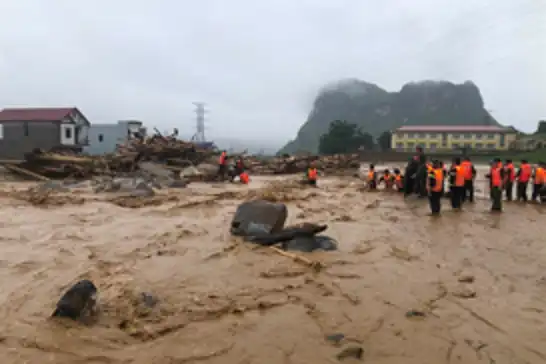
At least four people were killed, four others remain missing and seven were injured after flash floods triggered by heavy rainfall swept through northern Vietnam's Lai Chau Province.