Ebola spreads beyond DRC as death toll exceeds 5,100
 13 oC

Güneşli

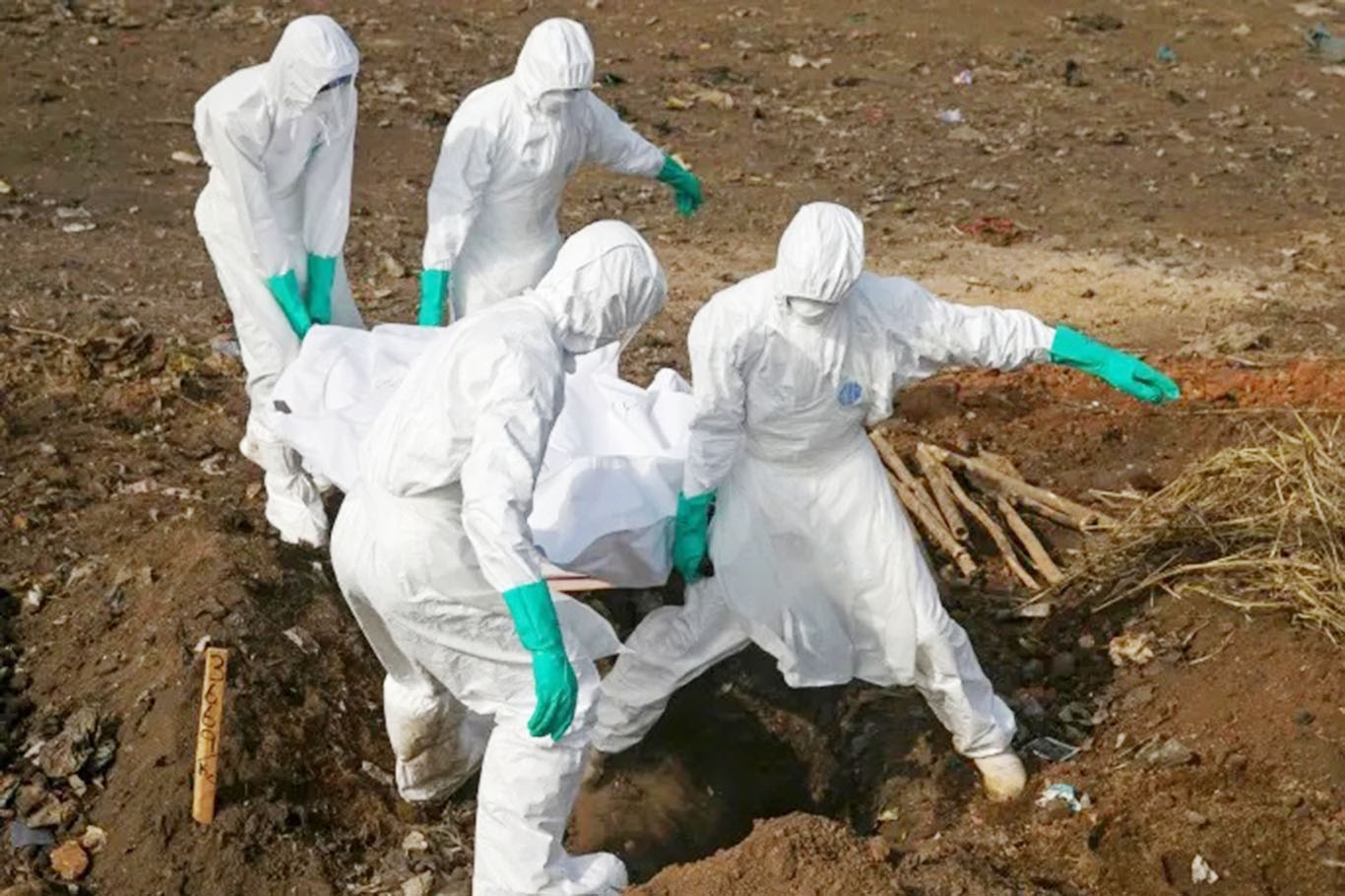
The death toll from the Ebola outbreak in the Democratic Republic of the Congo (DRC) has risen to 5,103, while the number of confirmed cases has reached 10,467. The detection of cases in Kenya and Nigeria has increased concerns over the cross-border spread of the virus.
The latest figures released by the Congolese Ministry of Health on November 1 show the scale of the outbreak, which began in May 2026. According to the report, the fatality rate of the disease stands at around 48.8 per cent.
The current outbreak has become the deadliest Ebola outbreak ever recorded in the DRC and the second-largest Ebola outbreak globally in terms of deaths after the 2014-2016 West Africa epidemic, which infected more than 28,000 people and caused more than 11,000 deaths.
Outbreak spreads across eight provinces
The Ebola outbreak has spread to 67 health zones across eight of the DRC’s 26 provinces.
The Ituri province remains the worst-affected area, accounting for approximately 71 per cent of confirmed cases in the country.
One of the main challenges facing health authorities is that a significant number of new cases cannot be linked to previously identified chains of transmission.
According to assessments by the US Centers for Disease Control and Prevention (CDC), around 80 per cent of new cases in Ituri are not connected to known contacts being monitored by health teams, indicating that the virus continues to spread through undetected transmission chains.
The latest health report recorded 45 new deaths in a single day, including 26 deaths that occurred outside treatment centres in communities.
Health teams are monitoring more than 36,000 contacts, but they were able to reach around 86.6 per cent of them in the latest reporting period, below the target level of 95 per cent.
Armed conflicts, transportation difficulties, infrastructure problems, shortages of medical supplies and challenges faced by health workers are also complicating response efforts.
Virus detected beyond DRC borders
The spread of Ebola beyond the DRC has heightened regional concerns.
Kenya reported nine confirmed cases and two deaths as of October 26, while Nigeria detected the virus in a person arriving from Uganda.
Uganda had previously reported 20 confirmed cases in May and June, but declared the outbreak over in August after no new cases were detected.
The World Health Organization (WHO) and CDC data dated October 31 confirmed the ongoing outbreak in the DRC as well as cases reported in Kenya and Nigeria.
Saudi Arabia also announced new measures on October 30 in response to the risk of further spread. The measures included suspending travel to Kenya for citizens, halting visas for travellers arriving from Kenya and restricting entry for passengers who had been in countries with active outbreaks within the previous 21 days.
No specific vaccine or treatment available
The current outbreak is caused by the Bundibugyo Ebola virus, one of the rare strains of Ebola. There is currently no specifically licensed vaccine or treatment for this strain.
Although the vaccine approved against the Zaire Ebola virus has not been proven effective against Bundibugyo in humans, health organisations continue research into possible vaccines and treatment methods.
As part of vaccination efforts launched in August in the DRC, more than 10,000 people have received the Ervebo vaccine. The campaign is being conducted as part of studies evaluating whether the vaccine provides protection against the Bundibugyo strain.
Ebola is transmitted through direct contact with the blood or other body fluids of an infected person after symptoms appear, or through contact with contaminated objects and surfaces. The virus does not spread through the air like influenza or measles.
The incubation period ranges from two to 21 days. Early symptoms include fever, severe fatigue, muscle pain, headache and sore throat. Some patients may also experience vomiting, diarrhoea, organ failure and bleeding.
The WHO has stressed that early detection, rapid isolation of patients, contact tracing, strengthening treatment capacity and increased international coordination are essential to contain the outbreak.(ILKHA)
LEGAL WARNING: All rights of the published news, photos and videos are reserved by İlke Haber Ajansı Basın Yayın San. Trade A.Ş. Under no circumstances can all or part of the news, photos and videos be used without a written contract or subscription.

Ali Baraka, head of Hamas's National Relations Department abroad, has said that Israeli elections will not bring any fundamental change to Israel's policies toward Palestinians, arguing that political competition among Israeli leaders will neither end the occupation nor restore Palestinian rights.

A collision between two helicopters near Mount Everest in Nepal left one Indian tourist dead and three people injured, including two pilots. The accident occurred as the helicopters were preparing to land near the Everest Base Camp area during the peak trekking season.
The death toll from Israel's genocidal war on the Gaza Strip has risen to 74,615, with 175,899 Palestinians injured since October 7, 2023, according to medical sources in the besieged territory.