Bosnia heads to election under shadow of political deadlock
 13 oC
13 oC 
Güneşli

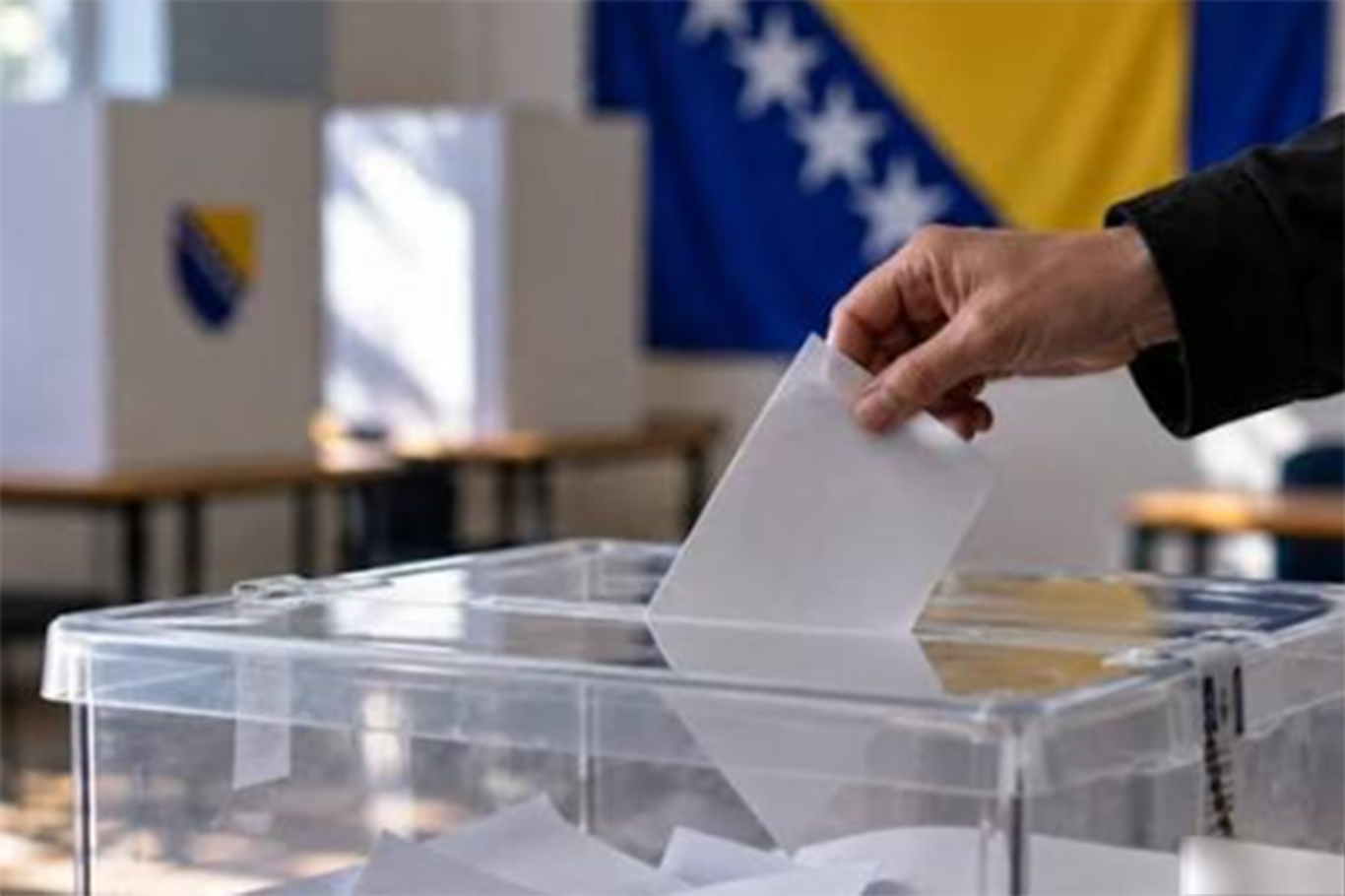
Bosnia and Herzegovina votes on Sunday in elections that will test whether the country can overcome years of political deadlock and revive its stalled bid to join the European Union.
More than 3.4 million voters are registered to elect members of the tripartite presidency and state parliament, as well as leaders and lawmakers in Bosnia's two main entities, the Bosniak- and Croat-dominated Federation and Serb-majority Republika Srpska.
The complex political system was created by the 1995 Dayton peace agreement, which ended Bosnia's 1992-95 war and divided power among the country's three main ethnic groups — Bosniaks, Serbs and Croats.
The arrangement has helped preserve peace but has also produced a fragmented system in which competing ethnic and political interests frequently hamper decision-making and reform.
Dodik remains a key figure
The election comes amid heightened tensions over the future of Republika Srpska and its relationship with Bosnia's central institutions.
Milorad Dodik, the long-serving Bosnian Serb leader and head of the Alliance of Independent Social Democrats (SNSD), remains a dominant political figure despite not contesting the entity presidency himself.
SNSD is backing Savo Minić for the post, while the opposition Serb Democratic Party has nominated Branko Blanuša.
Dodik has repeatedly challenged the authority of Bosnia's state institutions and the international High Representative, whose office was established under the Dayton framework to oversee implementation of the peace agreement.
He has also pushed for greater autonomy for Republika Srpska, drawing criticism from Western governments and raising concerns over the stability of Bosnia's post-war political order.
Dodik met Russian President Vladimir Putin in Moscow shortly before the election, underscoring the competing foreign interests surrounding Bosnia, with Russia maintaining close ties to Republika Srpska while the EU and United States support Bosnia's territorial integrity and European integration.
EU path remains stalled
Bosnia applied for EU membership in 2016 and became a candidate country in 2022. The EU agreed in 2024 to open accession negotiations, but the process has made little progress.
Brussels has demanded reforms in areas including the rule of law, the judiciary, the fight against corruption and the functioning of state institutions.
Political disputes have repeatedly delayed those reforms, leaving Bosnia behind other Western Balkan countries in its progress towards membership.
The next government will therefore face pressure to break the political impasse and deliver reforms needed to advance the EU accession process.
New voting technology
Sunday's election will also introduce biometric voter identification and ballot-scanning technology intended to strengthen electoral integrity.
The Central Election Commission said preparations for the new system had been completed ahead of the vote. Election silence began on Saturday morning and will remain in force until polling stations close at 7 p.m. on Sunday.
Beyond the political contest, voters are also facing concerns over corruption, weak economic growth and emigration, which has contributed to a significant decline in Bosnia's population since the war.
The election will be closely watched for signs of whether Bosnia's fragmented political system can produce functioning governments and accelerate reforms, while preserving the fragile balance established by the Dayton agreement. (ILKHA)
LEGAL WARNING: All rights of the published news, photos and videos are reserved by İlke Haber Ajansı Basın Yayın San. Trade A.Ş. Under no circumstances can all or part of the news, photos and videos be used without a written contract or subscription.
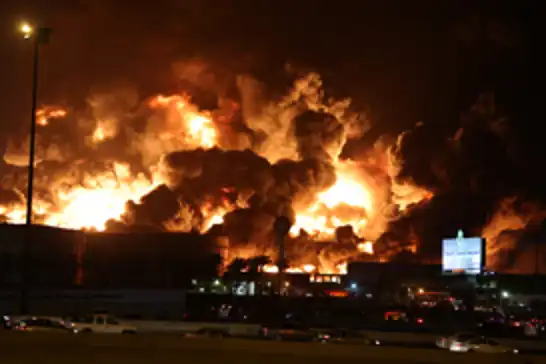
The Yemeni Armed Forces said on Saturday they had launched a major military operation against Saudi Aramco sites in Riyadh using ballistic missiles and drones, describing the attack as a response to intensified Saudi strikes on Sanaa and other parts of Yemen.
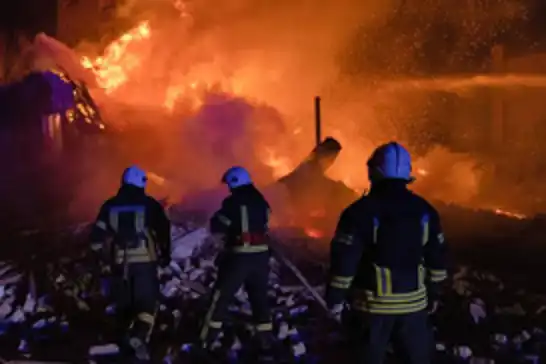
Ukraine will intensify attacks on Russian oil refineries in response to what President Volodymyr Zelenskiy described as a new Russian airstrike policy aimed at forcing residents to leave Kyiv and other Ukrainian cities, but Kyiv will not target civilians, he said.

A senior United Nations Food and Agriculture Organization (FAO) official says he lost his job after 26 years with the agency because of his criticism of Israel’s war on Gaza and his involvement in protests over the territory’s worsening hunger crisis.