Iran continues its attacks in the Gulf : Missile and drone attacks hit UAE and Qatar
 13 oC
13 oC 
Güneşli

Iran continues retaliatory missile and drone attacks against Gulf states, as tensions escalate following U.S. and Israel occupation regime operations.
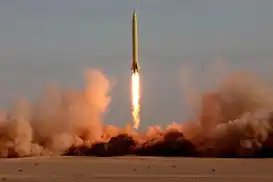
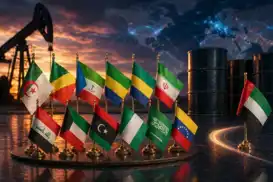
A new wave of attacks has struck Gulf countries, including the United Arab Emirates and Qatar, as Iran retaliates against ongoing military pressure from the U.S. and Israel occupation regime. The strikes, carried out with ballistic missiles and drones, have targeted energy infrastructure and military sites, causing fires and prompting heightened security measures.
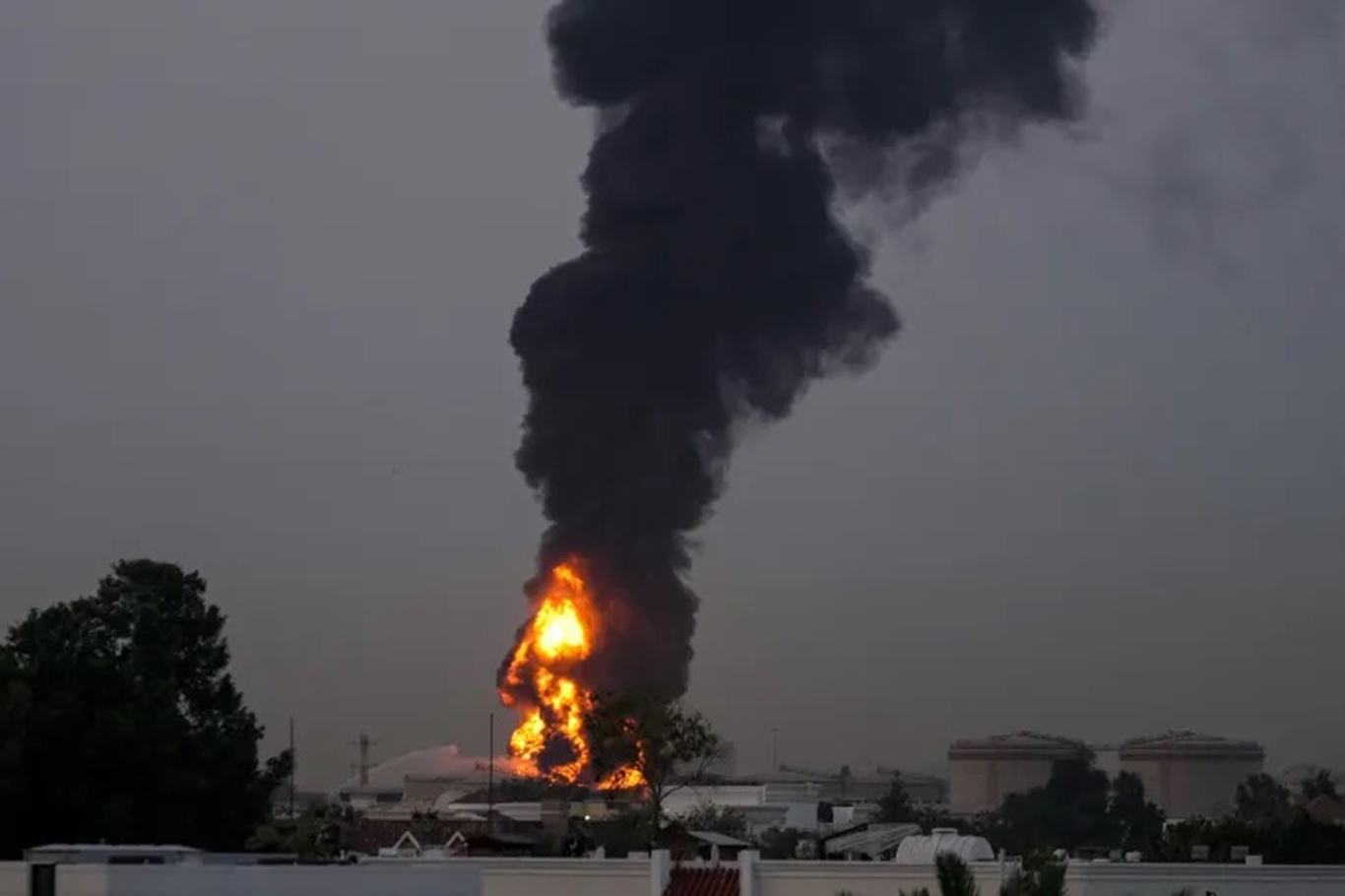
In the UAE, a drone strike hit a petroleum production zone in the Fujairah Emirate, triggering a fire. Authorities acted quickly to contain the blaze, but the incident underscores the vulnerability of critical infrastructure amid the ongoing regional conflict.
Qatar reported that 13 out of 14 ballistic missiles launched from Iran were successfully intercepted by its air defense systems. Officials confirmed that the remaining missile caused no casualties, highlighting the effectiveness of the Gulf states’ defense measures while the threat persists.
Iran has openly confirmed the operations, asserting that its strikes are direct retaliation for the U.S. and Israel occupation regime attacks on its territory. Following these retaliatory actions, sirens have frequently sounded across the Israel regime, including in Tel Aviv, signaling ongoing threats to civilian populations.
The escalation reflects a broader pattern of tit-for-tat attacks in the Gulf, as all sides intensify military operations. Regional observers warn that these exchanges endanger not only military and energy assets but also civilian life, raising concerns about further destabilization.
As tensions continue to rise, Gulf states remain on high alert, strengthening air defenses and monitoring key infrastructure. Analysts emphasize that the ongoing cycle of strikes and counter-strikes highlights the fragile security situation in the region and the far-reaching impact of the conflict initiated by the U.S. and Israel occupation regime. (ILKHA)
LEGAL WARNING: All rights of the published news, photos and videos are reserved by İlke Haber Ajansı Basın Yayın San. Trade A.Ş. Under no circumstances can all or part of the news, photos and videos be used without a written contract or subscription.
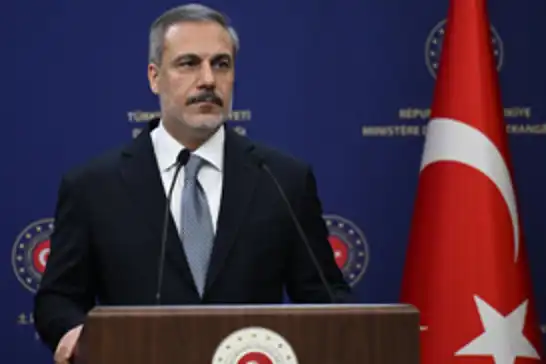
Turkish Foreign Minister Hakan Fidan will participate in the South-East European Cooperation Process (SEECP) Summit of Heads of State and Government on behalf of President Recep Tayyip Erdoğan, the Turkish Foreign Ministry announced.
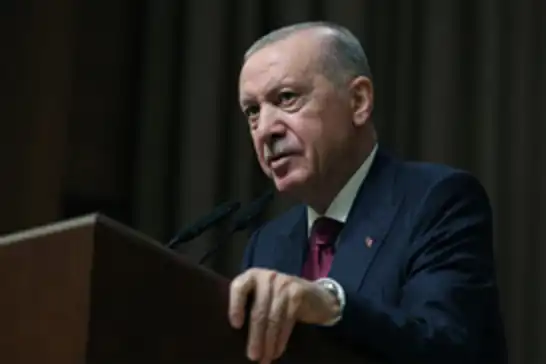
President Recep Tayyip Erdoğan has described the “Terror-Free Türkiye” initiative as a comprehensive strategic state vision that will shape Türkiye’s future, strengthen national security, and open new horizons for the country in its second century.

Türkiye has recovered 36.1 million tonnes of paper waste through its Zero Waste Project between 2017 and 2025, preventing the felling of an estimated 613 million trees, according to project officials.
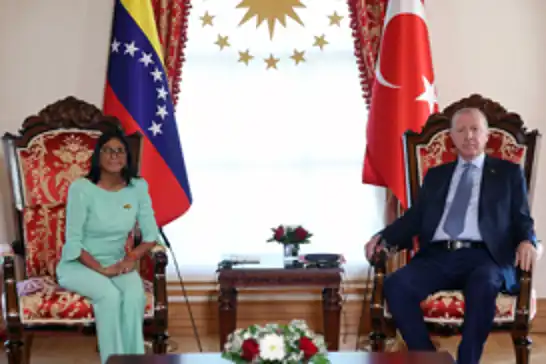
Turkish President Recep Tayyip Erdoğan met with Venezuela’s Acting President Delcy Rodríguez at the Dolmabahçe Presidential Office in Istanbul on Monday.