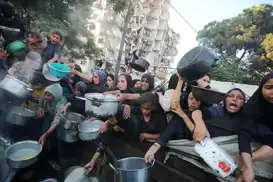
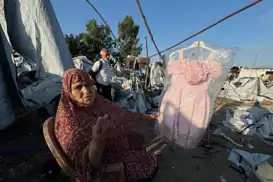
Gaza faces mounting risk as engine oil shortages threaten hospitals, water and essential services
 13 oC
13 oC 
Güneşli

Thousands of people in Gaza face an increasing risk of death and severe illness as restrictions on the entry of engine oil and spare parts continue to undermine hospitals, ambulances, water systems and other essential services, Médecins Sans Frontières (MSF) has warned.
According to MSF, engine oil and replacement parts are critical for keeping hospital generators, ambulances, water pumps and water trucks operational. With most electricity in Gaza cut off and large parts of the electrical infrastructure destroyed, hospitals and humanitarian facilities have become almost entirely dependent on generators.
MSF said that in some of its facilities, remaining engine oil supplies are sufficient for barely a month. The organisation has been forced to search for supplies in local markets, where prices have surged dramatically amid severe shortages.
The price of engine oil has reportedly increased 20-fold over the past six months, reaching more than $1,300 per litre by the end of July. MSF warned that even when oil is available, its quality and reliability cannot be guaranteed.
The impact of the shortages was demonstrated on August 5, when a generator at MSF's field hospital in Deir Al-Balah broke down. The facility was forced to rely on a smaller backup generator and drastically ration electricity.
As a result, the operating theatre could only be used for patients in the most critical condition. Nurses were unable to sterilise essential medical equipment, X-ray services were suspended, and patients suffering from painful burns were left without air conditioning amid extreme summer temperatures.
“What we are witnessing in Gaza is not a series of isolated shortages, it is a policy of attrition by design,” said Filipe Ribeiro, MSF's head of mission in Palestine.
Ribeiro said restrictions on the entry of supplies had been affecting Gaza for more than two years, arguing that the measures go beyond delaying humanitarian assistance and are undermining the systems on which civilians depend for survival.
“Today it is engine oil and spare parts. Tomorrow it will be something else,” Ribeiro said, warning that continued restrictions were making basic life increasingly untenable for Gaza's population.
Hospitals at Risk
MSF warned that the consequences of generator failures could be life-threatening for patients who depend on uninterrupted electricity.
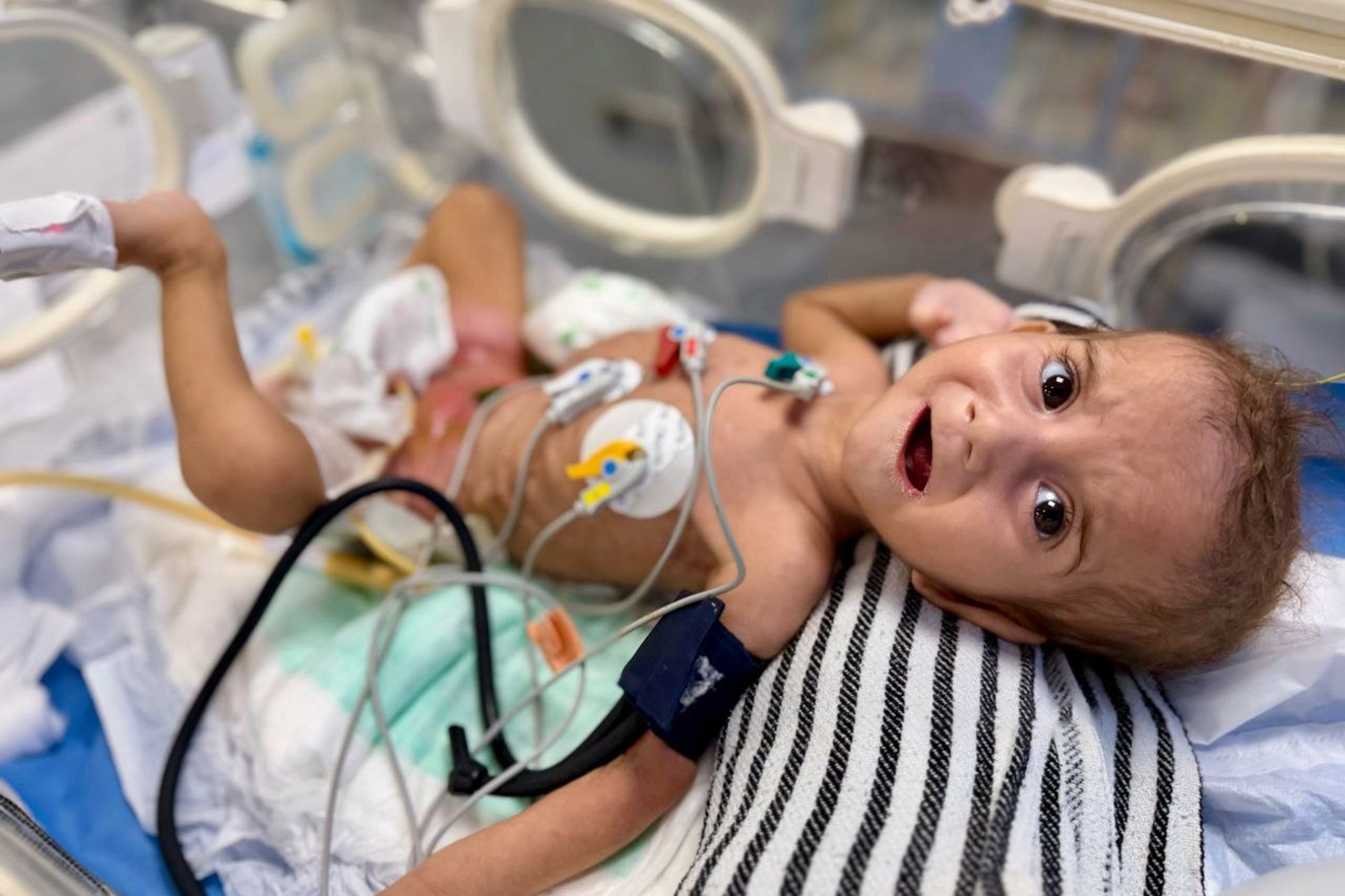
“When generators break down, hospitals are at risk,” said Ola Bardawil, deputy project coordinator at MSF. “Newborn babies in incubators, people who rely on oxygen generators, or those in need of lifesaving surgery will suffer.”
The organisation said that hospitals have few alternatives because solar power systems, replacement generators and new vehicles are also reportedly being prevented from entering Gaza.
The situation is particularly critical for newborns and other vulnerable patients whose treatment depends on continuous electricity.
Water Supplies Also Threatened
The shortages are also affecting Gaza's already severely strained water infrastructure.
According to a July survey conducted by organisations monitoring water and sanitation conditions, 90 percent of households in Gaza were experiencing moderate to high water insecurity.
With residents increasingly dependent on water trucks for access to drinking water, any disruption to fuel and engine supplies could have immediate consequences, particularly during the summer heat.
MSF said one of the generators at its water desalination hub has already been damaged because of the lack of engine oil and replacement parts.
In June, the organisation was forced to reduce the generator's operating time from 12 hours to seven hours per day. As a result, daily drinking-water production fell from approximately 600,000 litres to 350,000 litres.
MSF estimated that the reduction meant more than 40,000 fewer people could receive water each day.
The organisation also warned that water trucks themselves could eventually be forced off the roads if engine oil remains unavailable.
Transport and Food Production Under Pressure
The effects of the shortages extend beyond hospitals and water facilities.
Ambulances require fuel and functioning engines to transport patients. Buses transporting medical workers depend on functioning vehicles, while trucks are needed to collect and distribute humanitarian supplies.
Bakeries and flour mills also rely on generators, meaning continued shortages could disrupt food production and further worsen food insecurity.
MSF said restrictions have expanded beyond generators, vehicles, engine oil and spare parts to include seemingly routine items such as skin ointments and rubber seals required for equipment used to clean medical instruments.
The organisation warned that the shortages now affect virtually every aspect of daily life in Gaza.
MSF said the entry of engine oil and spare parts alone would not be sufficient to address the humanitarian crisis, calling instead for the immediate lifting of the blockade and sustained, unhindered access for medical, humanitarian and commercial supplies.
The organisation said such access was essential to enable hospitals, water systems, humanitarian operations and other vital services to function amid Gaza's continuing humanitarian crisis. (ILKHA)
LEGAL WARNING: All rights of the published news, photos and videos are reserved by İlke Haber Ajansı Basın Yayın San. Trade A.Ş. Under no circumstances can all or part of the news, photos and videos be used without a written contract or subscription.

A rare inherited heart condition known as Bundgaard syndrome has been diagnosed for the first time in Türkiye, becoming the 68th reported case worldwide, according to medical experts.
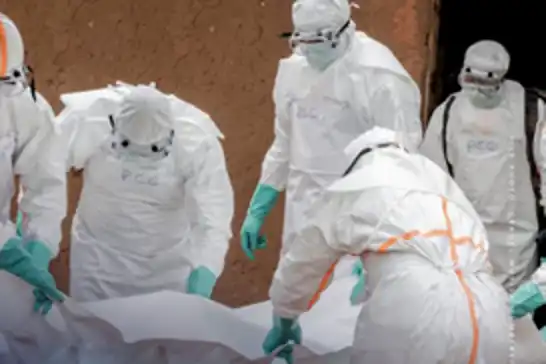
The Ebola outbreak sweeping the eastern Democratic Republic of Congo (DRC) is on course to become the deadliest outbreak in the disease’s history if transmission continues at its current rate, the World Health Organization (WHO) has warned.
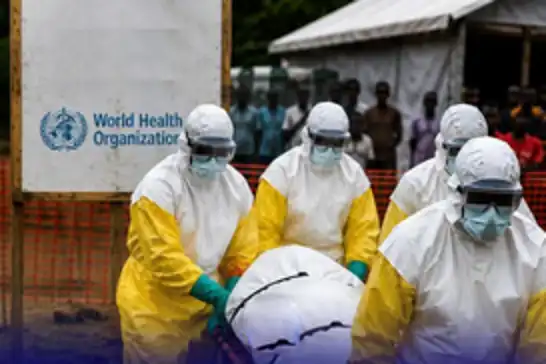
The ongoing Ebola outbreak in the Democratic Republic of the Congo (DRC) is severely disrupting essential healthcare services for children and women, with new data showing a sharp decline in vaccinations, maternal care, and routine medical treatment as fear of infection and strained health services keep families away from clinics.