First Bundgaard syndrome case reported in Türkiye, 68th worldwide
 13 oC
13 oC 
Güneşli

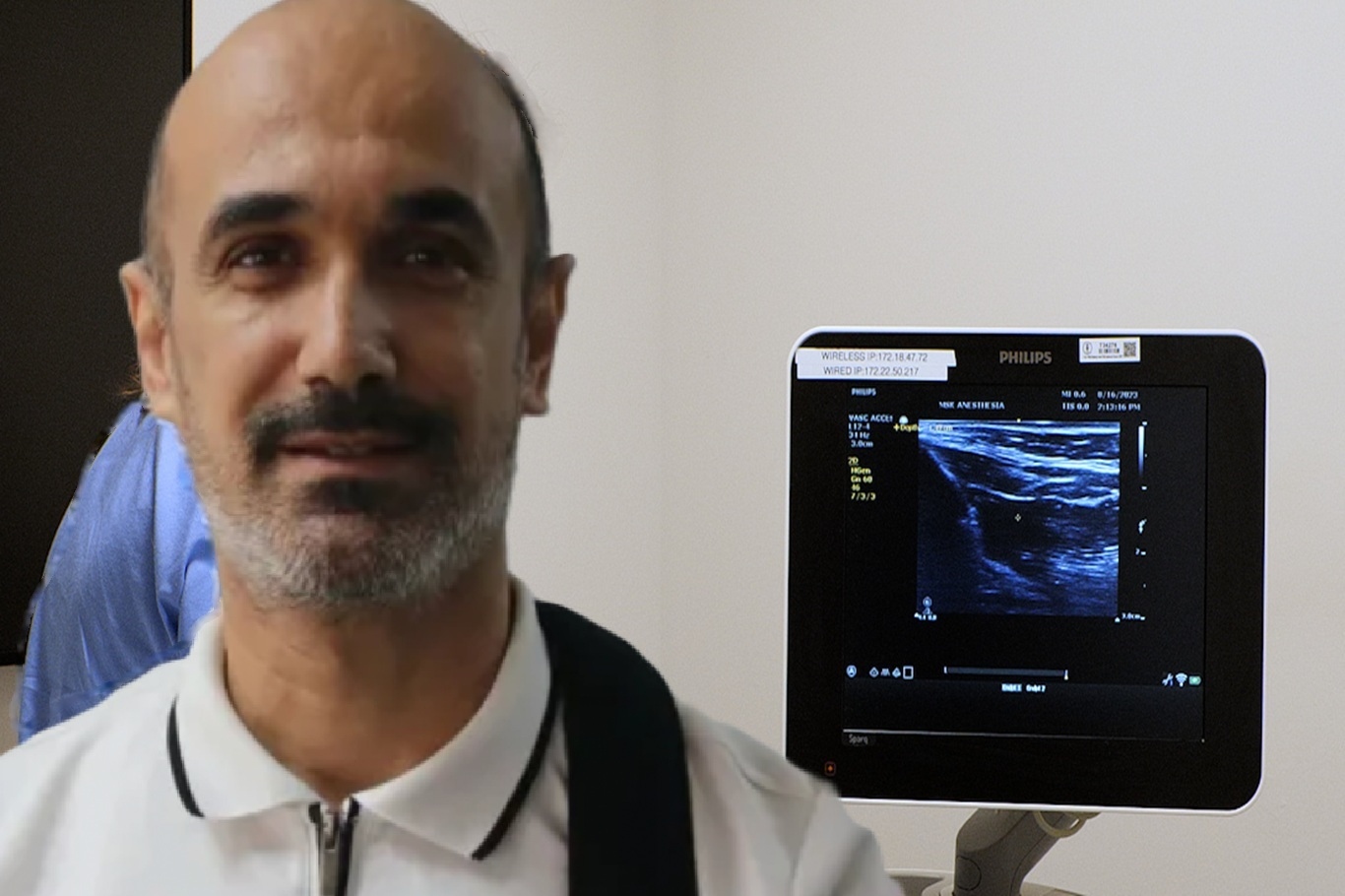
A rare inherited heart condition known as Bundgaard syndrome has been diagnosed for the first time in Türkiye, becoming the 68th reported case worldwide, according to medical experts.
A 41-year-old man from Mardin, identified as Şehmus Doğan, was diagnosed with the condition after seeking medical care for symptoms including dizziness, blurred vision and chest pain.
Following detailed examinations, doctors confirmed the diagnosis through genetic testing, which showed that the condition had a hereditary pattern and was also detected among some of his relatives.
Specialists warned that Bundgaard syndrome can lead to heart rhythm disorders and sudden cardiac death, and that its symptoms may sometimes be mistaken for a heart attack.
The condition was first identified in Denmark in 2018, and only 67 cases had previously been documented worldwide before the diagnosis in Türkiye.
A scientific paper prepared following Türkiye’s first case was published in the Journal of the American College of Cardiology (JACC).
Doctors emphasized that early diagnosis is critical, noting that screening among family members plays an important role in identifying the disease and reducing the risk of sudden cardiac death.(ILKHA)
LEGAL WARNING: All rights of the published news, photos and videos are reserved by İlke Haber Ajansı Basın Yayın San. Trade A.Ş. Under no circumstances can all or part of the news, photos and videos be used without a written contract or subscription.
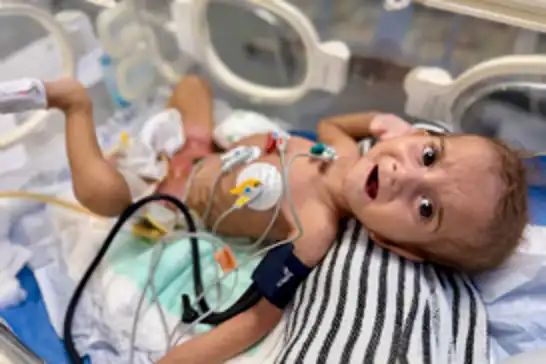
Thousands of people in Gaza face an increasing risk of death and severe illness as restrictions on the entry of engine oil and spare parts continue to undermine hospitals, ambulances, water systems and other essential services, Médecins Sans Frontières (MSF) has warned.
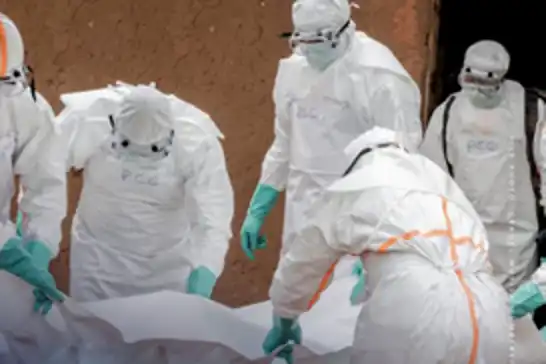
The Ebola outbreak sweeping the eastern Democratic Republic of Congo (DRC) is on course to become the deadliest outbreak in the disease’s history if transmission continues at its current rate, the World Health Organization (WHO) has warned.
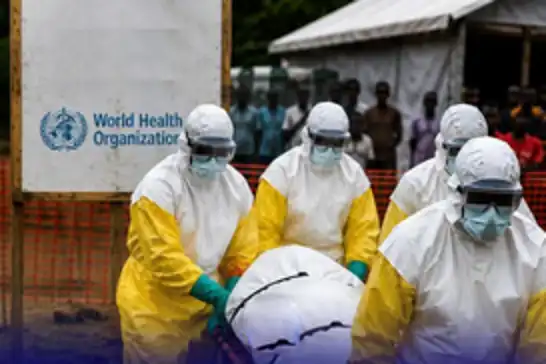
The ongoing Ebola outbreak in the Democratic Republic of the Congo (DRC) is severely disrupting essential healthcare services for children and women, with new data showing a sharp decline in vaccinations, maternal care, and routine medical treatment as fear of infection and strained health services keep families away from clinics.