Ebola outbreak disrupts healthcare in DR Congo, UNICEF warns
 13 oC
13 oC 
Güneşli

The ongoing Ebola outbreak in the Democratic Republic of the Congo (DRC) is severely disrupting essential healthcare services for children and women, with new data showing a sharp decline in vaccinations, maternal care, and routine medical treatment as fear of infection and strained health services keep families away from clinics.
According to UNICEF, the outbreak has led to a dramatic reduction in the use of health services across Ituri Province, particularly in the hardest-hit areas of Bunia, Mongbwalu, Nizi, and Rwampara, raising concerns that preventable diseases and maternal health complications could claim additional lives alongside Ebola.
Between April and June 2026, the utilization of essential healthcare services fell by 42 percent in the province's primary outbreak hotspots, while overall healthcare use across Ituri declined by an estimated 13 percent.
"The data suggests that fear of infection, combined with disruptions to services, is deterring lots of children and their families from seeking care," said John Agbor, UNICEF Representative in the DRC.
"One doctor told our team that before the current outbreak, his facility saw an average of 500 patients a month, but that has dropped to almost nothing," he added.
Childhood Vaccination Rates Plunge
UNICEF reported that routine childhood immunization has been among the services most severely affected.
In the outbreak epicenter of Mongbwalu, administration of the first dose of the measles vaccine declined by 69 percent during the reporting period.
Across Ituri Province, follow-up immunizations also recorded significant declines, including a 22 percent reduction in the third dose of the pentavalent vaccine and an 18 percent drop in second-dose measles vaccinations.
Health facilities administered more than 23,000 fewer routine childhood vaccine doses during May and June than in April, increasing the risk of outbreaks of other vaccine-preventable diseases.
Maternal Health Services Also Affected
The outbreak has also disrupted healthcare for pregnant women.
Facility-assisted deliveries declined by 13 percent across Ituri Province, with much sharper decreases recorded in the most affected areas.
Deliveries in health facilities fell by 38 percent in Bunia, 30 percent in Rwampara, and 70 percent in Nizi, while first antenatal care visits declined by approximately 28 percent across the three hotspot areas.
UNICEF noted that no comparable seasonal decline in healthcare utilization was observed during the same period in 2025, indicating that the current reductions are directly linked to the Ebola outbreak.
Children Bear Heavy Burden of Outbreak
As of 2 August 2026, health authorities had recorded 743 confirmed Ebola infections among children aged 0–17 years, resulting in 330 deaths.
Although children account for nearly one-quarter of confirmed Ebola cases, they represent almost one-third of all deaths associated with the outbreak.
Young children under the age of five remain particularly vulnerable.
UNICEF said the case fatality rate among this age group exceeds 60 percent, more than double the fatality rate recorded among adults aged 18 years and older, where fewer than 30 percent of confirmed cases have resulted in death.
The organization described the current epidemic as the largest Ebola outbreak ever recorded in the Democratic Republic of the Congo and the fastest-growing outbreak of the disease on record.
Large-Scale Response Underway
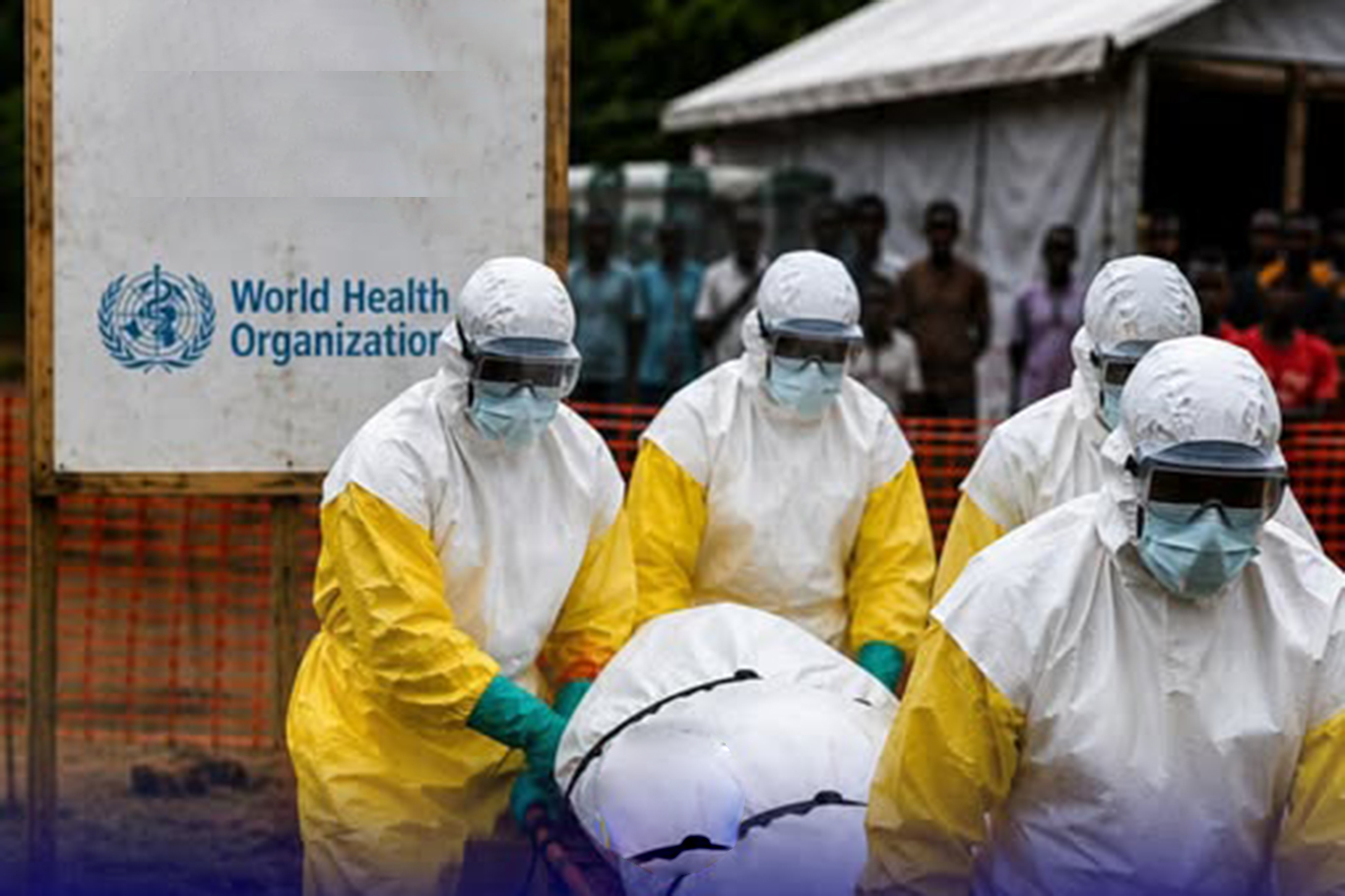
UNICEF, working alongside the Ministry of Public Health, Hygiene and Social Welfare, the World Health Organization (WHO), and the Africa Centres for Disease Control and Prevention (Africa CDC), has intensified efforts to contain the outbreak and restore confidence in healthcare services.
Approximately 13,000 frontline community workers and local influencers have been trained and deployed across affected communities, reaching more than 2.4 million people with information on Ebola prevention, early detection, and safe healthcare practices.
Response teams have also conducted more than 505,000 household visits to combat misinformation, build public trust, and encourage families to seek medical care when needed.
UNICEF has supplied infection prevention and control equipment to eight Ebola treatment centers and equipped 45 healthcare facilities throughout Ituri Province with hygiene supplies, water and sanitation materials, screening equipment, and protective kits.
The agency said supply chains for essential medicines, malaria treatment, obstetric equipment, and other critical medical supplies have been maintained in priority health facilities despite the ongoing emergency.
In addition, community-based mental health and psychosocial support services have reached more than 21,000 people, including 5,100 children directly affected by the outbreak.
Funding Shortfall Threatens Response
UNICEF warned that the Ebola outbreak is placing enormous pressure on the country's healthcare system, limiting access to treatment for common illnesses such as malaria, diarrheal diseases, and respiratory infections that remain among the leading causes of child mortality.
"The Ebola outbreak is severely disrupting the entire health system, with inevitable consequences for cases of malaria, diarrhoea, and other treatable illnesses that are the biggest killers of children," Agbor said.
"Ensuring that health posts remain open, safe, and trusted is essential to saving lives today and preventing future outbreaks tomorrow as we invest in a more resilient health system."
To expand operations from 21 to 51 affected and high-risk health zones, UNICEF has revised its six-month humanitarian appeal to US$113.45 million.
However, with only US$23.5 million secured so far, the agency faces a funding gap of US$89.9 million, warning that additional international support is urgently needed to sustain lifesaving health services and prevent further deterioration of the humanitarian situation in eastern Democratic Republic of the Congo. (ILKHA)
LEGAL WARNING: All rights of the published news, photos and videos are reserved by İlke Haber Ajansı Basın Yayın San. Trade A.Ş. Under no circumstances can all or part of the news, photos and videos be used without a written contract or subscription.
India has deployed a National Joint Outbreak Response Team (NJORT) to assist health authorities in containing a deadly outbreak of the Chandipura virus (CHPV) after the disease claimed the lives of 22 children and spread across parts of the western states of Gujarat and Rajasthan.

Australian authorities have confirmed the country's first mass mortality event among wild birds caused by the highly pathogenic H5 avian influenza virus, marking a significant escalation in the spread of the disease across the nation's wildlife.
The Democratic Republic of the Congo (DRC) is facing the largest Ebola outbreak ever recorded in the country's history, with more than 3,600 confirmed infections and nearly 1,600 deaths, as health authorities and the World Health Organization (WHO) intensify efforts to contain the rapidly spreading virus.