Australia confirms first mass wildlife deaths from H5 bird flu as outbreak spreads
 13 oC
13 oC 
Güneşli

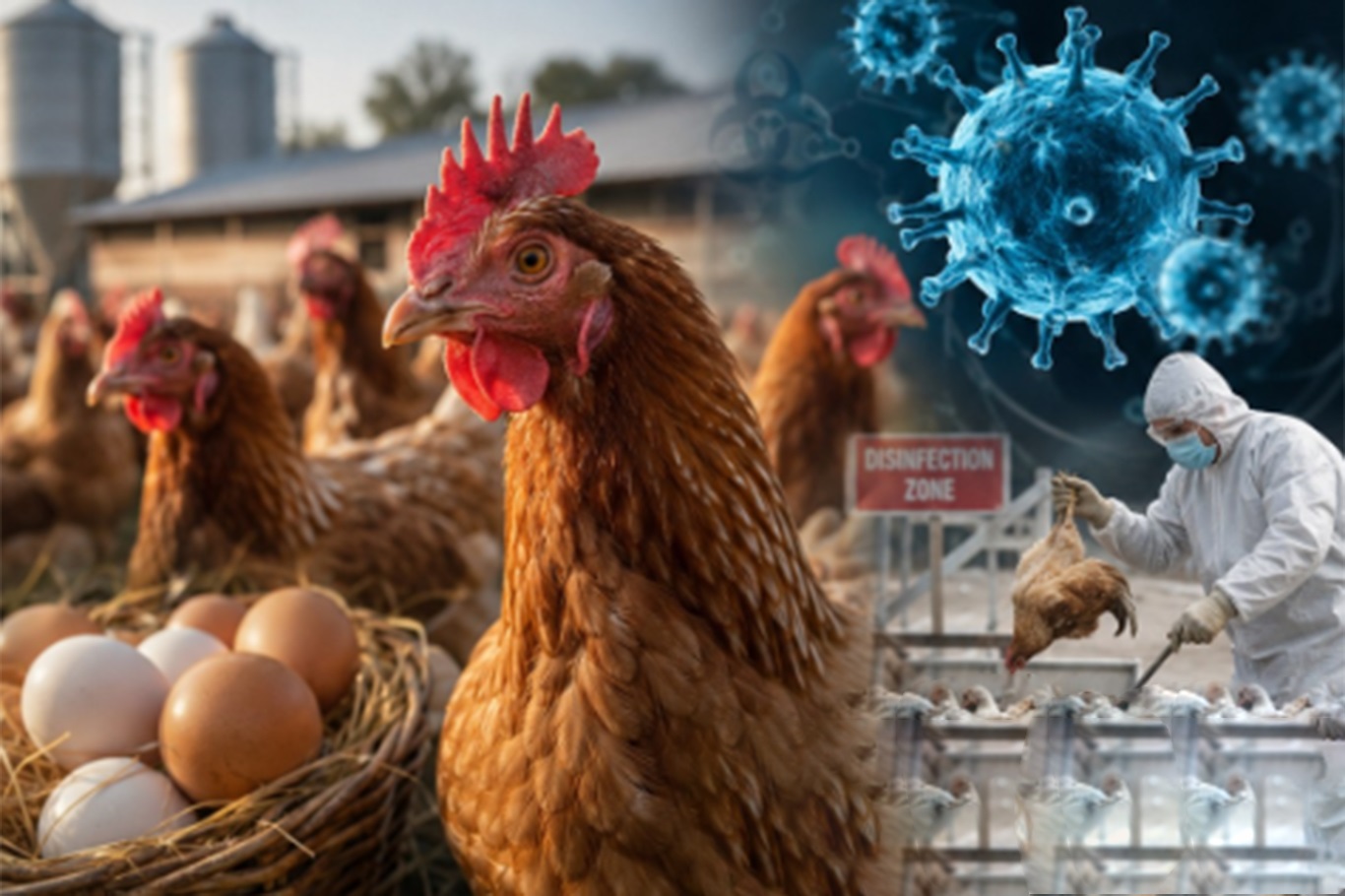
Australian authorities have confirmed the country's first mass mortality event among wild birds caused by the highly pathogenic H5 avian influenza virus, marking a significant escalation in the spread of the disease across the nation's wildlife.
The outbreak was confirmed after testing of dead and sick greater crested terns found on Baudin Rocks, an island located about five kilometers south of Cape Jaffa on South Australia's southeast coast. The birds were detected during aerial surveillance conducted last week.
Federal Agriculture Minister Julie Collins said the mass deaths had been anticipated following the detection of the virus in wild bird populations.
"Once H5 bird flu becomes established in wildlife and the natural environment, significant losses are unfortunately unavoidable," Collins said, describing the event as the beginning of broader impacts on Australia's native bird populations.
Cases reported across five states
Health and agriculture authorities have confirmed 78 cases of H5 avian influenza in wild birds nationwide.
Of those, 58 cases have been recorded in South Australia, 10 in Western Australia, seven in Victoria, two in New South Wales, and one in Queensland.
Officials emphasized that there is no evidence the virus has entered Australia's commercial poultry industry, and they continue to assess the risk to domestic flocks.
Collins said the government has worked closely with the poultry sector to strengthen biosecurity measures aimed at preventing the virus from spreading into agricultural production.
She also stressed that the risk to human health remains low, while warning that additional wildlife infections are expected as migratory birds continue to arrive in Australia.
Concerns over spread to other species
Authorities have also confirmed the virus in a petrel discovered at the Coorong, one of Australia's most important wetland ecosystems and a major stopover site for migratory birds.
South Australian Environment Minister Emily Bourke described the detection as particularly concerning because of the large numbers of waterbirds that breed and gather in the internationally significant wetland.
South Australia's Chief Veterinary Officer Skye Fruean said officials expect the virus to continue spreading among crested terns before potentially infecting additional bird species.
"I would expect to see ongoing spread," Fruean said, adding that suspected cases among silver gulls continue to emerge and that further transmission into other wildlife species is considered likely.
Victoria intensifies surveillance
In neighboring Victoria, authorities confirmed six additional cases of H5 bird flu in crested terns, bringing the state's total to seven confirmed infections.
Agriculture Victoria said further testing is underway after clusters of sick and dead birds were discovered in the Glenelg River Estuary near Nelson and around Lawrence Rocks.
Victoria's Chief Veterinary Officer Graeme Cooke said ongoing aerial surveillance and laboratory testing are focused on determining how rapidly the virus is spreading through wild bird populations.
Government activates national response
Federal Environment Minister Murray Watt acknowledged that international experience has shown the virus cannot realistically be contained once it becomes established among wild birds and mammals.
"The reality is that native birds and wild animals move freely, making further mortality events inevitable," Watt said.
He announced that Australia's national H5 avian influenza response plan has been fully activated, supported by an additional A$24 million in joint federal and state funding.
The new funding builds on more than A$113 million previously allocated by the Australian government to strengthen national preparedness, surveillance and biosecurity measures.
Migratory birds increase risk
Threatened Species Commissioner Fiona Fraser warned that the arrival of large numbers of migratory birds over the coming months is expected to increase the likelihood of further transmission.
She said birds gathering at major wetlands could facilitate the spread of the virus among multiple species, raising concerns for some of Australia's most ecologically important habitats.
While acknowledging that mortality events cannot be entirely prevented, Fraser said authorities are working to improve habitat resilience through wetland management, habitat restoration and efforts to reduce invasive predators such as feral pigs, foxes and cats, which place additional pressure on vulnerable native bird populations.
Officials said surveillance of wild birds will continue across Australia as authorities monitor the spread of H5 avian influenza and assess its long-term impact on the country's wildlife. (ILKHA)
LEGAL WARNING: All rights of the published news, photos and videos are reserved by İlke Haber Ajansı Basın Yayın San. Trade A.Ş. Under no circumstances can all or part of the news, photos and videos be used without a written contract or subscription.
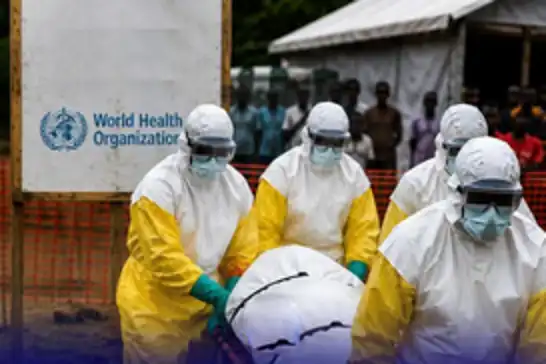
The Democratic Republic of the Congo (DRC) is facing the largest Ebola outbreak ever recorded in the country's history, with more than 3,600 confirmed infections and nearly 1,600 deaths, as health authorities and the World Health Organization (WHO) intensify efforts to contain the rapidly spreading virus.

The United Kingdom is on course to record its highest number of heat-related deaths since official records began, following a series of unprecedented heatwaves that have swept across the country this summer, according to preliminary estimates released by the UK Health Security Agency (UKHSA).

Life expectancy at birth in Türkiye has increased to 78.5 years in the 2023–2025 period, up from 78.1 years recorded in 2022–2024, according to data released on Wednesday by the Turkish Statistical Institute (TurkStat).