Vehicles in Türkiye travelled 395 billion kilometers in 2025, official data shows
 13 oC

Güneşli

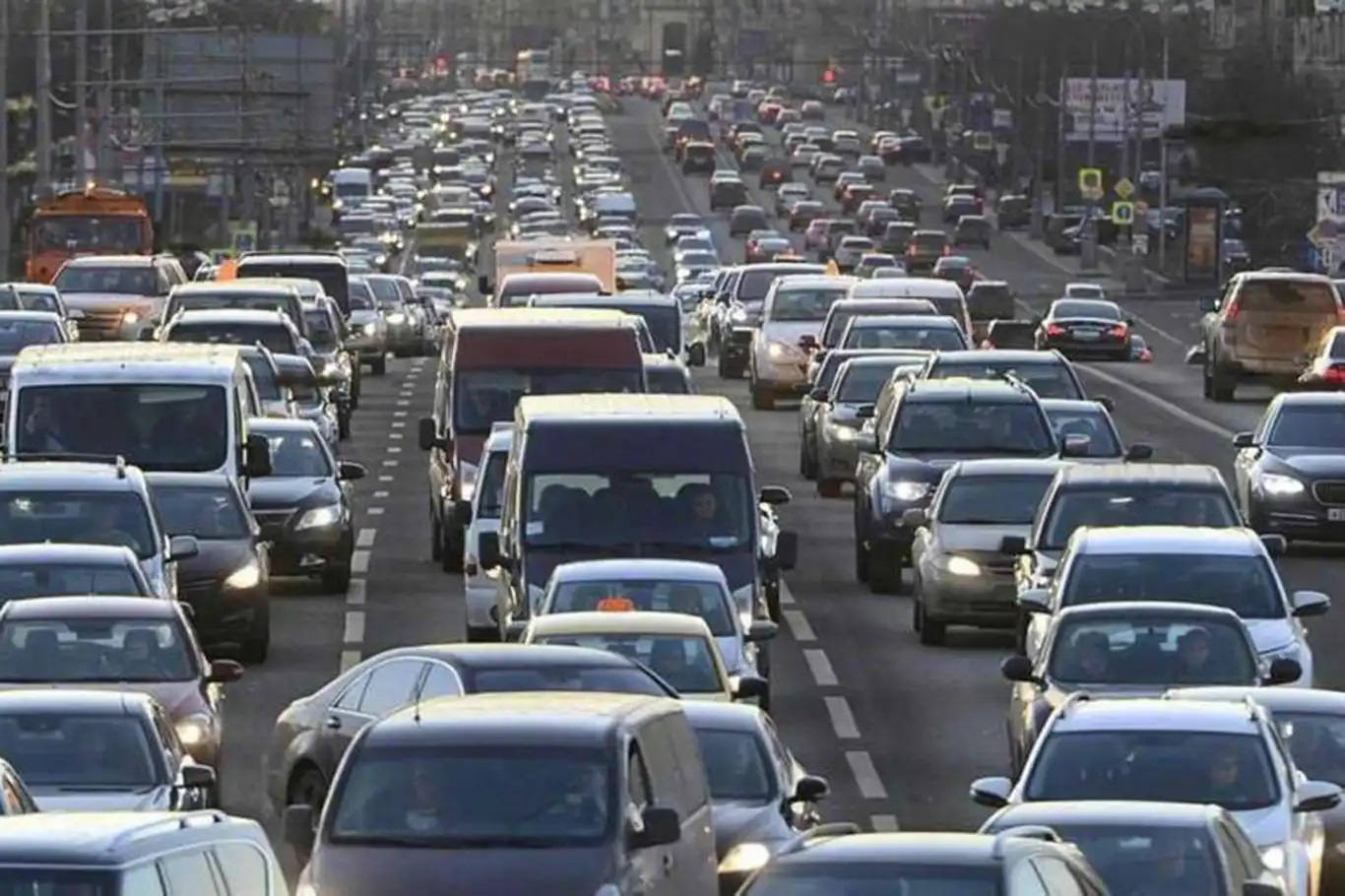
Road motor vehicles registered in Türkiye travelled a total of 395.3 billion kilometers in 2025, marking a 3.2% increase from the previous year, according to data released by the Turkish Statistical Institute (TurkStat).
Passenger cars accounted for the largest share of total distance travelled, making up 57.7% of the figure, followed by small trucks at 19.1% and motorcycles at 8.3%.
Road tractors accounted for 5.7% of total vehicle-kilometers, while trucks represented 3.7%, minibuses 3.3%, buses 1.8% and special-purpose vehicles 0.5%.
The increase in distance travelled came as the total number of registered road vehicles rose by 7.8% in 2025 compared with the previous year.
Motorcycles recorded the sharpest increase in registrations, rising by 13.5%, followed by special-purpose vehicles at 9.4% and passenger cars at 7%. The number of road tractors increased by 5.1%, small trucks by 4.5%, minibuses by 3%, trucks by 2.5% and buses by 1%.
Despite the overall rise in vehicle use, annual distance travelled varied across vehicle categories. Special-purpose vehicles recorded the largest increase, at 6.9%, followed by passenger cars at 4.6%, road tractors at 3.2%, small trucks at 2.8% and trucks at 2.5%. Distance travelled by minibuses edged up by 0.4%.
In contrast, buses travelled 4.2% fewer kilometers than in 2024, while the figure for motorcycles declined by 1.7%.
Road tractors cover the longest distances
Road tractors recorded the highest average annual distance in 2025, travelling 65,479 kilometers per vehicle. Buses followed with an average of 33,263 kilometers, while minibuses covered 24,257 kilometers and trucks 21,812 kilometers.
Special-purpose vehicles travelled an average of 17,649 kilometers, compared with 15,758 kilometers for small trucks and 13,581 kilometers for passenger cars. Motorcycles recorded the lowest average, at 4,913 kilometers per year.
Diesel cars account for the largest share of distance travelled
Diesel-powered passenger cars accounted for 37.2% of the total distance travelled by passenger cars in 2025, making diesel the leading fuel category.
Gasoline-powered cars represented 29.4% of the total, followed by LPG-powered vehicles at 27%. Hybrid cars accounted for 4.3%, while fully electric passenger cars made up 2.1%.
Vehicles aged 10-14 account for the largest share
An analysis by vehicle age showed that vehicles aged between 10 and 14 years accounted for the largest share of total distance travelled in 2025, at 20.7%. They represented 18.8% of the country's registered vehicle fleet.
Vehicles aged 5-9 years accounted for 18.4% of total kilometers travelled, followed by those aged 2-4 years at 18.3% and vehicles aged 0-1 years at 12.7%.
Older vehicles also made a significant contribution: those aged 25 years and above accounted for 12.3% of total distance travelled, while vehicles aged 15-19 and 20-24 represented 11% and 6.7%, respectively.
Among passenger cars specifically, vehicles aged 5-9 years recorded the largest share of distance travelled, at 20.7%, narrowly ahead of cars aged 10-14 years at 20.3%. Cars aged 2-4 years accounted for 16.9%, while those aged 25 years and above represented 14.8%.
The figures provide an overview of vehicle use across Türkiye, highlighting the continued dominance of passenger cars in total road travel and the significant distances covered by commercial vehicles. (ILKHA)
LEGAL WARNING: All rights of the published news, photos and videos are reserved by İlke Haber Ajansı Basın Yayın San. Trade A.Ş. Under no circumstances can all or part of the news, photos and videos be used without a written contract or subscription.
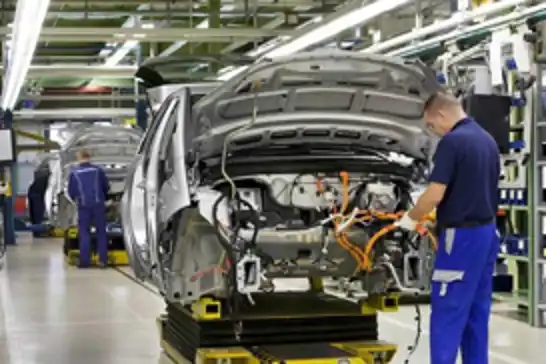
Employment in Türkiye's industrial, construction and trade-services sectors increased in the third quarter of 2026 compared with the same period last year, while the total number of hours worked declined and hourly labour costs recorded a sharp rise.

The World Bank has forecast that Afghanistan's economy will grow by 3 percent in 2026, with economic expansion expected to continue over the following two years despite persistent challenges involving employment, food security, population growth and water resources.
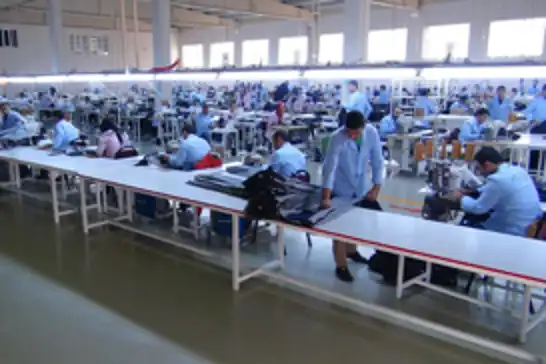
Türkiye’s seasonally adjusted unemployment rate rose to 8.1% in the third quarter of 2026, up 0.1 percentage point from the previous quarter, as the number of unemployed people increased by 46,000 to 2.87 million, the Turkish Statistical Institute (TurkStat) said on Wednesday.