Growing anger toward Kais Saied raises questions about Tunisia’s political future
 13 oC
13 oC 
Güneşli

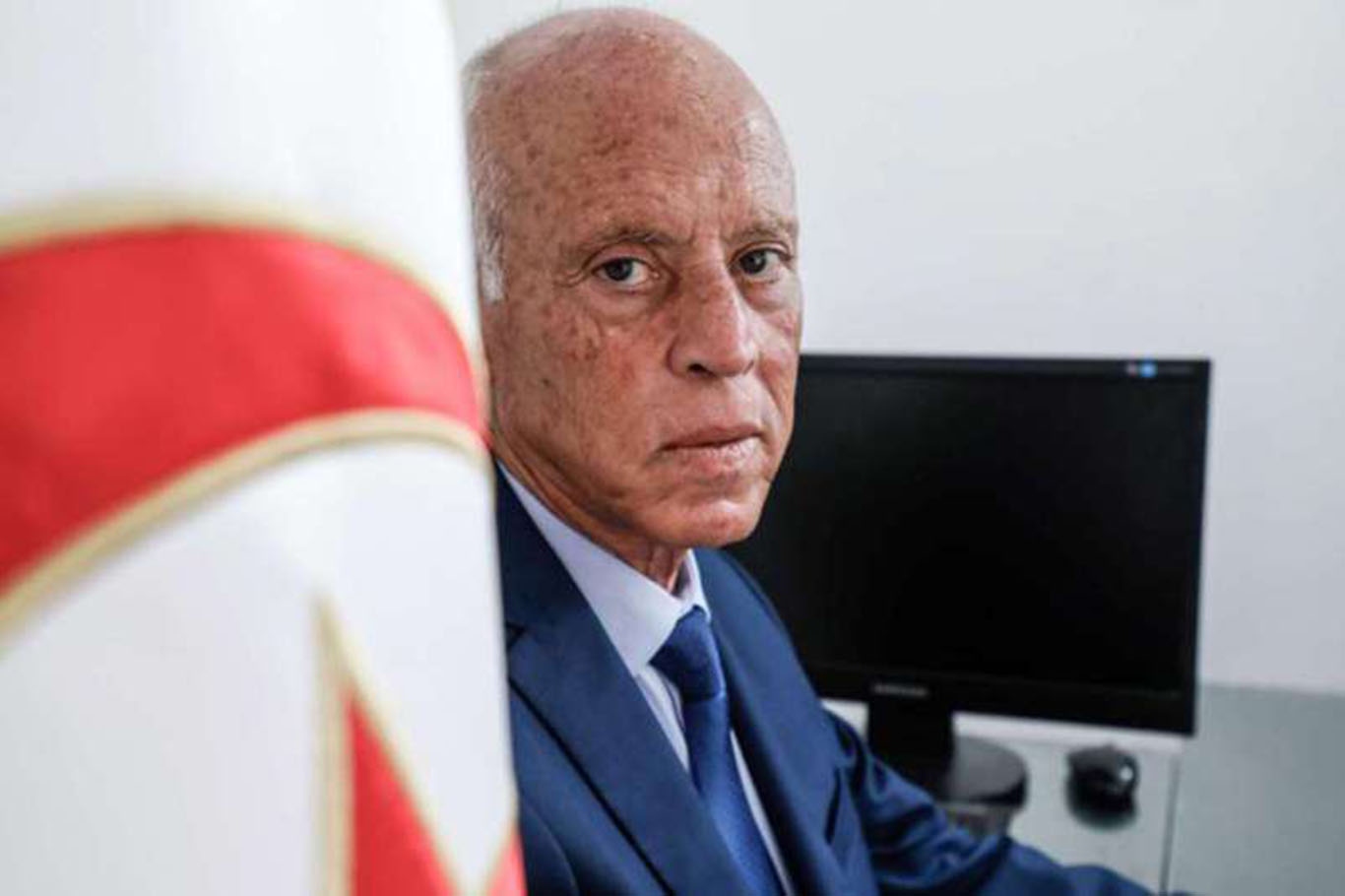
Rising public discontent and large-scale street protests in recent weeks signal that opposition to President Kais Saied’s rule may be reaching a critical new phase.
Opposition groups accuse Saied of consolidating power and steering the country toward one-man rule, while worsening economic conditions, growing arrests, and shrinking civic space continue to fuel public frustration.
The latest developments reflect an increasingly heated national debate over Tunisia’s political direction since July 25, 2021, when President Saied suspended parliament, dismissed the government, and began restructuring the political system through a series of presidential decrees.
Widening protests and growing discontent
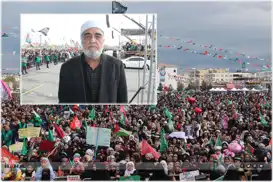
In Tunis and several other cities, thousands of protesters have taken to the streets, voicing anger over deteriorating living standards alongside concerns about political repression. Economic grievances and demands for civil liberties have increasingly merged into a broader expression of public dissatisfaction.
Although Tunisia’s opposition has historically been fragmented across ideological lines, recent months have seen growing unity among political groups. Liberals, leftists, nationalists, and Islamist movements have increasingly aligned in their criticism of Saied’s leadership.
Opposition figures argue that the political transition launched in 2021 has gradually evolved into a highly centralized system, where institutional checks and balances have weakened and political pluralism has been significantly reduced.
Recent protest slogans reflect these concerns, focusing not only on inflation, unemployment, and declining purchasing power, but also on arrests, restrictions on dissent, and what critics describe as expanding executive authority.
Some analysts have drawn comparisons between the current atmosphere and the social tensions that preceded the 2010–2011 uprising that led to the fall of former president Zine El Abidine Ben Ali.
Opposition groups also claim that political dissent is increasingly being criminalized, pointing to arrests involving politicians, journalists, lawyers, business figures, and civil society activists.
Economic crisis deepens political tension
Tunisia’s political uncertainty is unfolding alongside a deepening economic crisis.
Inflation, rising living costs, declining purchasing power, and persistent unemployment continue to strain households. Youth unemployment and increasing emigration among skilled professionals have further intensified concerns about the country’s long-term outlook.
Critics argue that authorities have prioritized security-driven policies and political control over structural economic reform.
For many Tunisians, political debate has become inseparable from daily economic hardship, including rising prices, weakened public services, and limited job opportunities.
Growing criticism from former supporters
One of the most notable political shifts in recent months has been increasing criticism from segments of the population that previously supported President Saied.
Public discourse, particularly on social media, has increasingly shifted away from ideological debates toward concerns over economic performance and political stagnation.
Opposition voices argue that Saied’s long-standing narrative, which has often focused on conspiracies and political adversaries, is losing traction among citizens facing mounting economic pressures.
For many, demands for practical economic solutions are now taking precedence over political messaging.
Military statement sparks debate
Amid escalating protests, a brief statement issued by Tunisia’s armed forces has drawn significant political attention.
The military reiterated that it remains a republican and neutral institution, rejecting any attempts to involve it in political disputes and reaffirming its commitment to constitutional responsibilities.
While the content of the statement was consistent with previous positions, its timing—amid rising protests and economic instability—prompted widespread interpretation among analysts and political actors.
Opposition figures suggested the statement could indicate unease within state institutions, while government supporters insisted it simply reaffirmed the military’s traditional neutrality.
There is currently no verified evidence of institutional fragmentation or any shift in the military’s position toward the presidency.
Tunisia at a political crossroads
The central question facing Tunisia today is no longer whether change is coming, but how it will unfold.
Opposition groups continue to demand stronger institutions, broader political participation, and the release of political detainees. President Saied, meanwhile, maintains that his policies are necessary to protect the country from corruption, dysfunction, and political paralysis.
However, worsening economic indicators, increasing international scrutiny, and visible public frustration are steadily increasing pressure on the presidency.
Once regarded as the Arab Spring’s most promising democratic transition, Tunisia now finds itself once again at the center of debates over political freedom, institutional legitimacy, and democratic governance.
The outcome of the current crisis is likely to shape not only Tunisia’s political future but also broader dynamics across North Africa in the years ahead. (ILKHA)
LEGAL WARNING: All rights of the published news, photos and videos are reserved by İlke Haber Ajansı Basın Yayın San. Trade A.Ş. Under no circumstances can all or part of the news, photos and videos be used without a written contract or subscription.
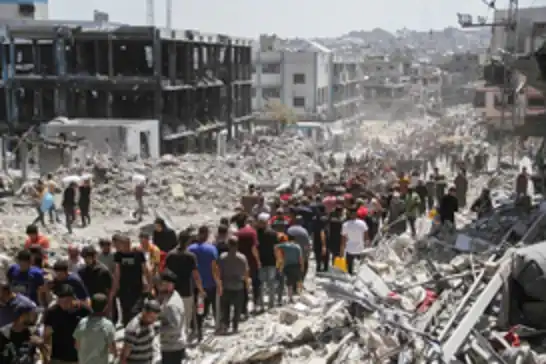
Today marks 78 years since the Palestinian people were plunged into the Nakba (the Catastrophe)—a systemic, ongoing campaign of forced migration, brutal occupation, and massacres that tore Al-Quds and the wider homeland from its rightful owners.
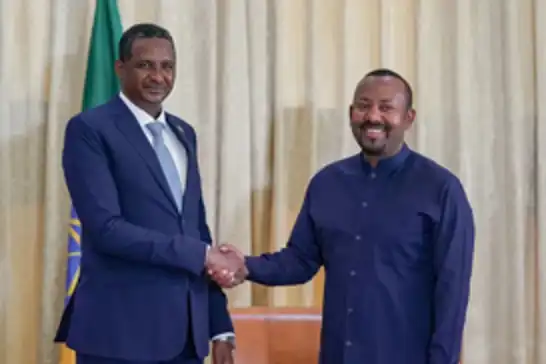
The war in Sudan is no longer viewed merely as an internal conflict between the Sudanese Armed Forces (SAF) and the Rapid Support Forces. Increasing military, political, and logistical indicators suggest that Ethiopia, under Prime Minister Abiy Ahmed, has emerged as one of the most influential regional actors shaping the course of the conflict.
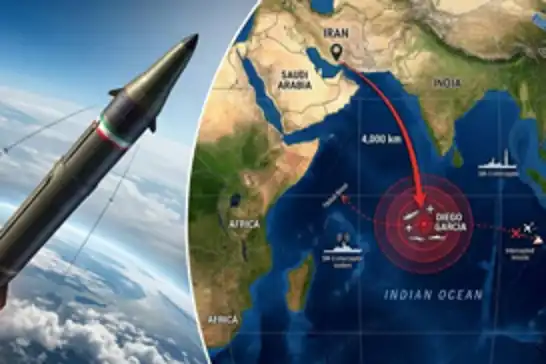
Reports that Iran launched ballistic missiles toward the Diego Garcia base mark a significant escalation in the ongoing confrontation, underscoring a new phase in which distance no longer guarantees security for key military installations.