Fund scandal revives debate on political ethics and corruption in Türkiye
 13 oC

Güneşli

Renewed calls for a comprehensive political ethics law have brought transparency, accountability and merit-based governance back to the centre of Türkiye’s political debate, following recent remarks by MHP leader Devlet Bahçeli.
The discussion over political ethics and the fight against corruption has gained fresh momentum. Growing demands for greater transparency in public life, stronger accountability mechanisms and an end to favouritism in state institutions are driving the conversation. Key issues include the declaration of politicians’ assets, transparency in public procurement, and the scope of legal protections enjoyed by elected officials.
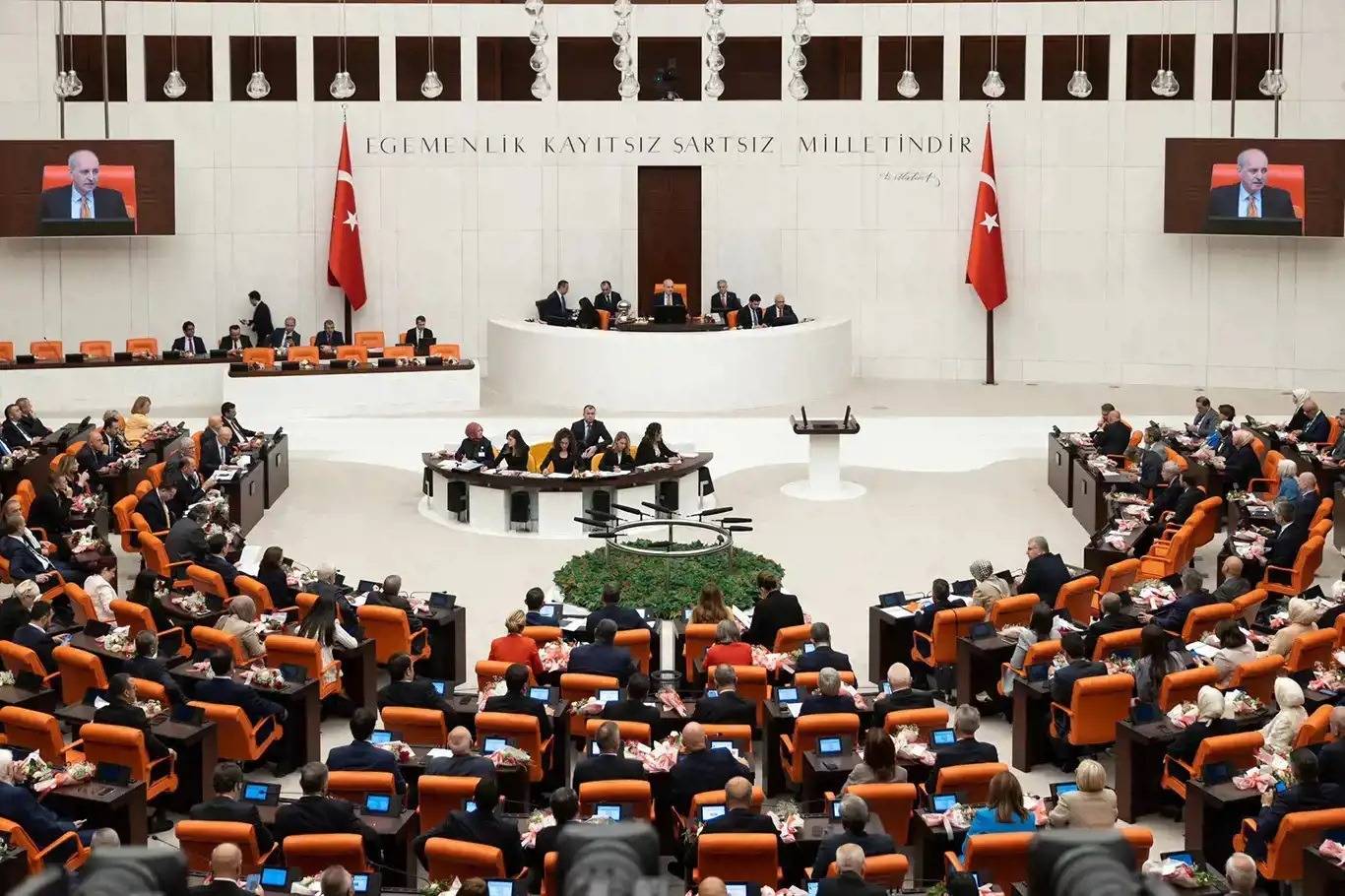
MHP Chairman Devlet Bahçeli returned the subject to the agenda at his parliamentary group meeting on 3 November 2026. He described political purification and accountability as an urgent necessity that can no longer be postponed.
Despite years of discussion, a comprehensive legal framework on political ethics has still not been enacted. Critics argue that entrenched ways of conducting politics and existing models of political financing have blocked reform, particularly where the use of public resources raises questions about fairness and accountability.
Does immunity undermine accountability?
Parliamentary immunity exists to protect lawmakers’ freedom of expression and allow them to perform their legislative duties without political or judicial pressure. Yet broader legal protections that extend beyond parliamentary activities have prompted concern that some politicians are effectively shielded from proper scrutiny.
Critics contend that extending these protections to allegations of ordinary criminal offences, corruption or administrative irregularities risks creating the impression that political office places individuals above the law. They argue that immunity should be confined strictly to parliamentary duties, while allegations unrelated to legislative work should proceed through the ordinary courts. Without this limitation, they warn, the justice system risks losing public confidence and reinforcing a perception of impunity.
Merit and transparency as foundations of reform
Ending favouritism in public appointments and ensuring that recruitment and promotion rest on competence are widely regarded as essential steps toward restoring trust in political institutions. Public positions, critics insist, must be awarded on the basis of qualifications and merit rather than family ties, personal relationships or political loyalty. Fair distribution of public resources likewise depends on transparent procedures and effective oversight.
Without these principles, efforts to embed ethical standards in politics and public administration are unlikely to deliver lasting results.
HÜDA PAR’s position
HÜDA PAR has set out its own approach in its party programme. The party argues that political movements which criticise the system while in opposition often adopt the same practices once they gain power. It calls for a justice-based recruitment system across state institutions, with favouritism eliminated and competence and merit established as the primary criteria. According to HÜDA PAR, genuine ethical reform cannot take root in a system where personal or political connections determine access to public positions.
How polarisation weakens public scrutiny
Political polarisation remains another significant obstacle. Economic interests, employment concerns and partisan loyalties can lead voters to overlook wrongdoing within their own political camp. As divisions deepen, the desire to prevent opponents from gaining power frequently overrides the willingness to hold one’s own representatives to account.
HÜDA PAR has highlighted this problem in its election manifesto, warning that exploiting social divisions for political gain makes it harder to build a shared culture of accountability. The party maintains that lasting reform requires public scrutiny and oversight mechanisms guided by principle rather than political affiliation.
“Honest Politics, Real Justice”
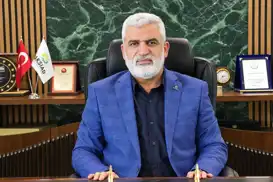
HÜDA PAR frames its understanding of political ethics around the principles of “Honest Politics, Real Justice” and “Human First, Priority to Justice,” placing political responsibility within an Islamic moral framework. Party chairman Zekeriya Yapıcıoğlu has argued that the purpose of politics should not be to secure positions or power, but to uphold human dignity and protect life, property, religion, reason and lineage.
He has stressed that the true measure of political success is not occupying high office but fulfilling the responsibilities entrusted to a person as effectively as possible. Political morality, he adds, sometimes requires individuals and parties to set aside personal and partisan interests in order to uphold justice.
Bahçeli’s latest remarks have once again placed these long-standing questions at the heart of Türkiye’s political debate: how to ensure that public office serves society rather than private interests, and how to cultivate a political culture founded on transparency, merit, accountability and justice. (ILKHA)
LEGAL WARNING: All rights of the published news, photos and videos are reserved by İlke Haber Ajansı Basın Yayın San. Trade A.Ş. Under no circumstances can all or part of the news, photos and videos be used without a written contract or subscription.
Israel’s parliamentary election has entered a new phase of uncertainty after no political bloc secured the majority needed to form a government, opening a debate over possible coalition scenarios and their potential impact on the future of Palestine.
Türkiye’s hosting of the 31st Conference of the Parties to the UN Framework Convention on Climate Change (COP31), scheduled to take place in Antalya from November 9 to 20, 2026, has sparked debate over the economic, environmental and diplomatic implications of international climate policies.

Bosnia-Herzegovina’s first president remains an enduring inspiration for Muslims worldwide through his steadfast faith, intellectual legacy and struggle for his people’s freedom and dignity.