WFP warns of deepening food insecurity in West Bank and Gaza as aid funding falls
 13 oC
13 oC 
Güneşli

The United Nations World Food Programme (WFP) has announced that it will halve the number of people receiving food assistance in the occupied West Bank, citing critical funding shortages amid a sharp deterioration in food security and living conditions.
Starting this month, WFP will reduce its assistance from 400,000 to 200,000 people, despite the number of food-insecure people in the West Bank reaching an estimated 900,000. The agency said food needs have more than doubled since 2023, while escalating settler violence, displacement and economic hardship continue to undermine Palestinian livelihoods.
WFP’s latest quarterly food security analysis found that 76 percent of households in the West Bank have experienced a significant decline in income. At the same time, food and fuel prices remain among the highest in the Middle East, forcing many families to sell assets and reduce both the quantity and quality of their meals in order to survive.
The assessment also found that 12 percent of people have poor food consumption, while approximately one-third of families cannot afford a nutritious diet as the economic situation continues to deteriorate.
Rural communities and residents of the southern West Bank governorates were identified among those hardest hit by the worsening crisis.
“Families who were once thriving and earning a living from their land are now unable to afford enough food,” said Shaun Hughes, WFP Country Director for Palestine.
Hughes warned that the funding crisis was forcing the agency to make difficult choices despite widespread humanitarian needs.
“At a time when WFP should be scaling up assistance to reach more people, we are being forced to make difficult decisions, prioritizing the most vulnerable while cutting assistance to others despite widespread needs,” he said, urging the international community to increase support for Palestinians.
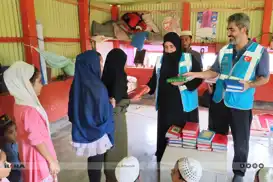
WFP and its humanitarian partners have been providing assistance in the West Bank through cash and vouchers, food distributions, livelihood programs and nutritional services. However, the agency said severe funding shortages have now forced it to scale back these programs.
Gaza Aid Also Facing Further Cuts
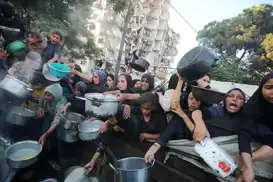
The funding crisis is also affecting WFP operations in the Gaza Strip, where the agency currently supports approximately 1.5 million people, including around one million who receive monthly food assistance.
In July, WFP reduced the cash value of its assistance by 40 percent for approximately 375,000 people. The agency warned that additional reductions will be unavoidable unless new funding is secured.
The latest warning comes amid an already severe humanitarian crisis in Gaza, where widespread displacement, food shortages and the destruction of essential infrastructure have left millions dependent on humanitarian assistance.
WFP said it urgently needs an additional $386 million over the six months from September 2026 to assist an estimated two million food-insecure people across Gaza and the West Bank.
The agency appealed to the international community to provide immediate additional funding, warning that continued shortages could further weaken humanitarian assistance at a time when food insecurity is intensifying across the Palestinian territories. (ILKHA)
LEGAL WARNING: All rights of the published news, photos and videos are reserved by İlke Haber Ajansı Basın Yayın San. Trade A.Ş. Under no circumstances can all or part of the news, photos and videos be used without a written contract or subscription.
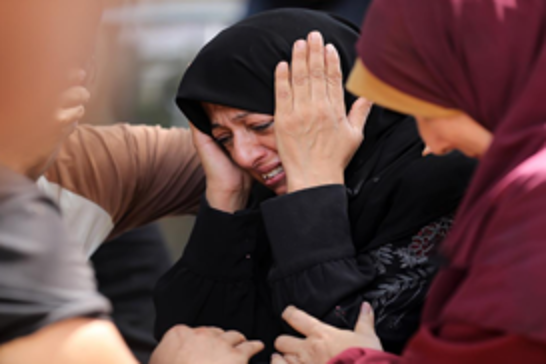
Israeli forces killed a Palestinian youth in a drone strike on Wednesday targeting the al-Hawja area of Jabalia refugee camp in northern Gaza, while a displaced Palestinian woman succumbed to critical injuries sustained after being shot by Israeli forces in central Gaza.

Afghanistan’s authorities have confiscated thousands of firearms and heavy weapons, as well as explosives, landmines and large quantities of ammunition, during a year-long campaign against illicit arms trafficking, according to officials.
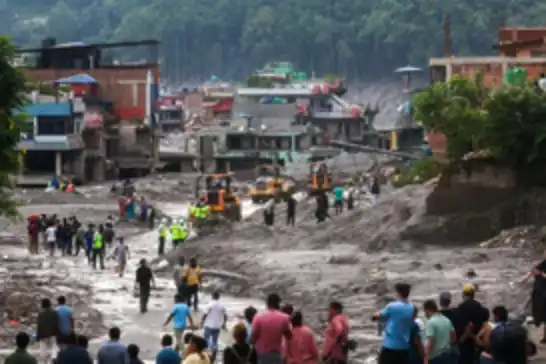
The death toll from severe flooding in Nepal’s Rasuwa district near the Chinese border and surrounding areas has risen to 1,114, while nearly 4,000 people remain missing, according to Nepal’s disaster management authorities.