Washington targets ICC leadership in latest attack on international justice
 13 oC
13 oC 
Güneşli

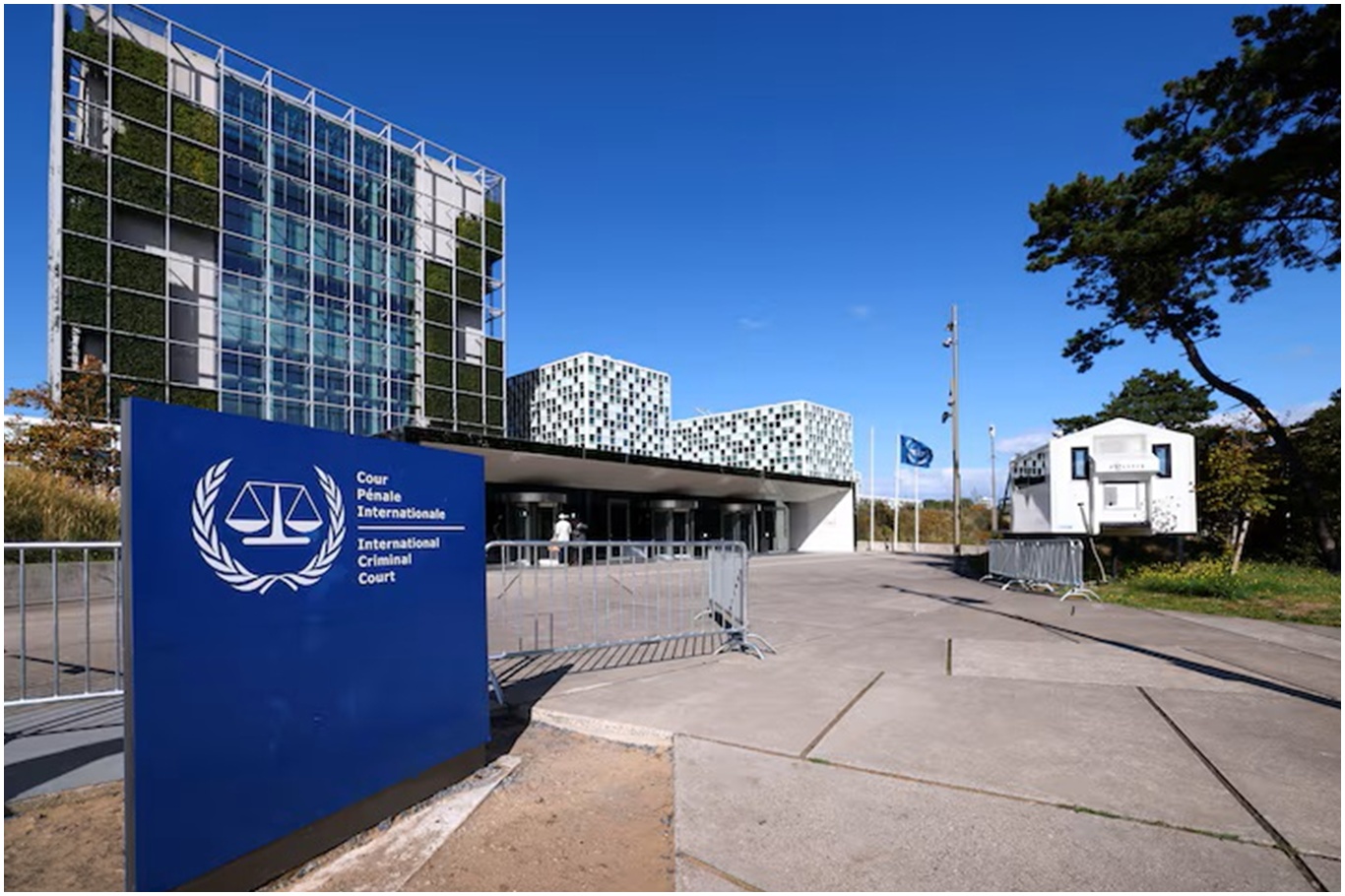
The United States has dramatically escalated its campaign against the International Criminal Court (ICC), imposing sanctions on the court’s president and a senior trial lawyer in a move that critics say represents a brazen attempt by Washington to intimidate international justice and shield powerful allies from accountability.
US Secretary of State Marco Rubio announced Tuesday that Washington had designated ICC President Tomoko Akane of Japan and senior trial lawyer Abdoulaye Seye of Senegal for sanctions. The measures freeze any assets they may hold under US jurisdiction and restrict their access to the American financial system.
Rubio accused the Hague-based court of being a “corrupt and fatally politicised” institution and said the Trump administration remained committed to confronting what it considers a threat to US sovereignty. Washington has openly pursued a broader campaign aimed at weakening, and potentially dismantling, the ICC.
But the latest move has raised serious questions about Washington's commitment to the very international legal principles it frequently invokes against its geopolitical rivals.
The Trump administration says Akane and Seye were targeted because of their involvement in ICC efforts to investigate or prosecute officials whose governments have not accepted the court's jurisdiction.
That argument, however, has drawn criticism because the latest sanctions come amid the ICC's investigations into alleged crimes involving Israel and its issuance of arrest warrants for Israeli officials, including Prime Minister Benjamin Netanyahu. The United States and Israel are not parties to the Rome Statute, while the ICC maintains that its jurisdiction can apply in certain circumstances involving crimes committed on the territory of member states.
Rather than challenging the court through legal proceedings or diplomatic argument, Washington has chosen financial punishment against judges and legal officials.
The approach effectively sends a chilling message: international judicial officials can face economic retaliation if their investigations threaten US interests or those of close allies.
The sanctions are not an isolated measure. They form part of a steadily expanding US offensive against the ICC under President Donald Trump.
Washington has already sanctioned numerous ICC officials and has repeatedly condemned the court for investigating US personnel and Israeli officials. In July, the US Justice Department formally rejected ICC jurisdiction over Americans and said Washington would not cooperate with ICC investigations or proceedings involving US persons.
The administration has also sought international support for its campaign against the court, encouraging ICC member states to withdraw.
The strategy has exposed a striking contradiction in US foreign policy. Washington frequently presents itself as a defender of a rules-based international order, yet when an international judicial institution attempts to apply legal principles to US officials or a close US ally, the response has been sanctions, threats and demands for the institution's dismantling.
The ICC rejected the sanctions, warning that such measures undermine the rule of law and threaten the independence of international justice.
The court has said it stands behind its personnel and the victims of atrocities, while stressing that judicial officials must be allowed to perform their duties without political intimidation.
The Netherlands, which hosts the ICC in The Hague, also criticized Washington's decision. Dutch Foreign Minister Tom Berendsen said international courts and tribunals must be able to carry out their mandates freely.
The confrontation is particularly significant because the ICC's actions involving Israel have become one of the central flashpoints between Washington and The Hague.
The court's efforts to investigate alleged war crimes connected to the Gaza conflict have placed it directly in the path of the Trump administration, which has strongly defended Israel and rejected the ICC's authority over Israeli officials.
For Palestinians and advocates of international accountability, the US sanctions risk reinforcing the perception that powerful states can evade international justice while weaker states remain subject to international legal pressure.
The United States signed the Rome Statute but never ratified it. Israel and Russia are likewise outside the ICC's membership. Yet the court was established precisely to provide a mechanism for prosecuting individuals accused of the gravest international crimes when national systems fail to deliver accountability.
Washington's latest actions therefore represent more than a dispute between one government and one international institution. They strike at the principle that international law should apply to powerful and powerless alike.
By targeting the ICC's leadership rather than engaging with its legal arguments, the United States risks turning its campaign against the court into a broader assault on the credibility and independence of international justice.
For critics, the message coming from Washington is increasingly difficult to reconcile with its rhetoric about the rule of law: international law is celebrated when it serves US interests, but attacked when it threatens to hold the powerful to account. (ILKHA)
LEGAL WARNING: All rights of the published news, photos and videos are reserved by İlke Haber Ajansı Basın Yayın San. Trade A.Ş. Under no circumstances can all or part of the news, photos and videos be used without a written contract or subscription.
Hamas on Wednesday accused Israel of deliberately escalating violence in Gaza after an Israeli drone strike on a café at Gaza City's port killed six Palestinians, including a child, and wounded 14 others, according to the Palestinian Health Ministry.
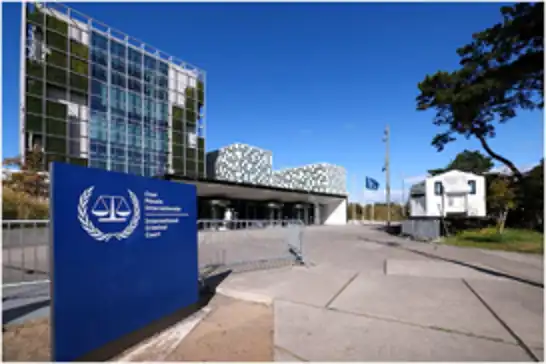
The United States has imposed sanctions on two senior officials of the International Criminal Court (ICC) over the court's investigations into alleged war crimes involving officials of the Israeli occupation regime, Secretary of State Marco Rubio announced.
Syria has formally complained to the United Nations over what it described as Israeli airstrikes on the Abu al-Duhur Military Airbase in Idlib province, calling the attack a clear violation of its sovereignty and territorial integrity and urging the international community to take action against Israel.