US top military officials faced polygraphs over leaks of information on weapons stockpiles
 13 oC
13 oC 
Güneşli

The Pentagon has administered polygraph tests to around 50 military officers and civilian officials as part of an investigation into leaks about declining U.S. munitions stocks amid the ongoing war with Iran, according to multiple U.S. media reports.
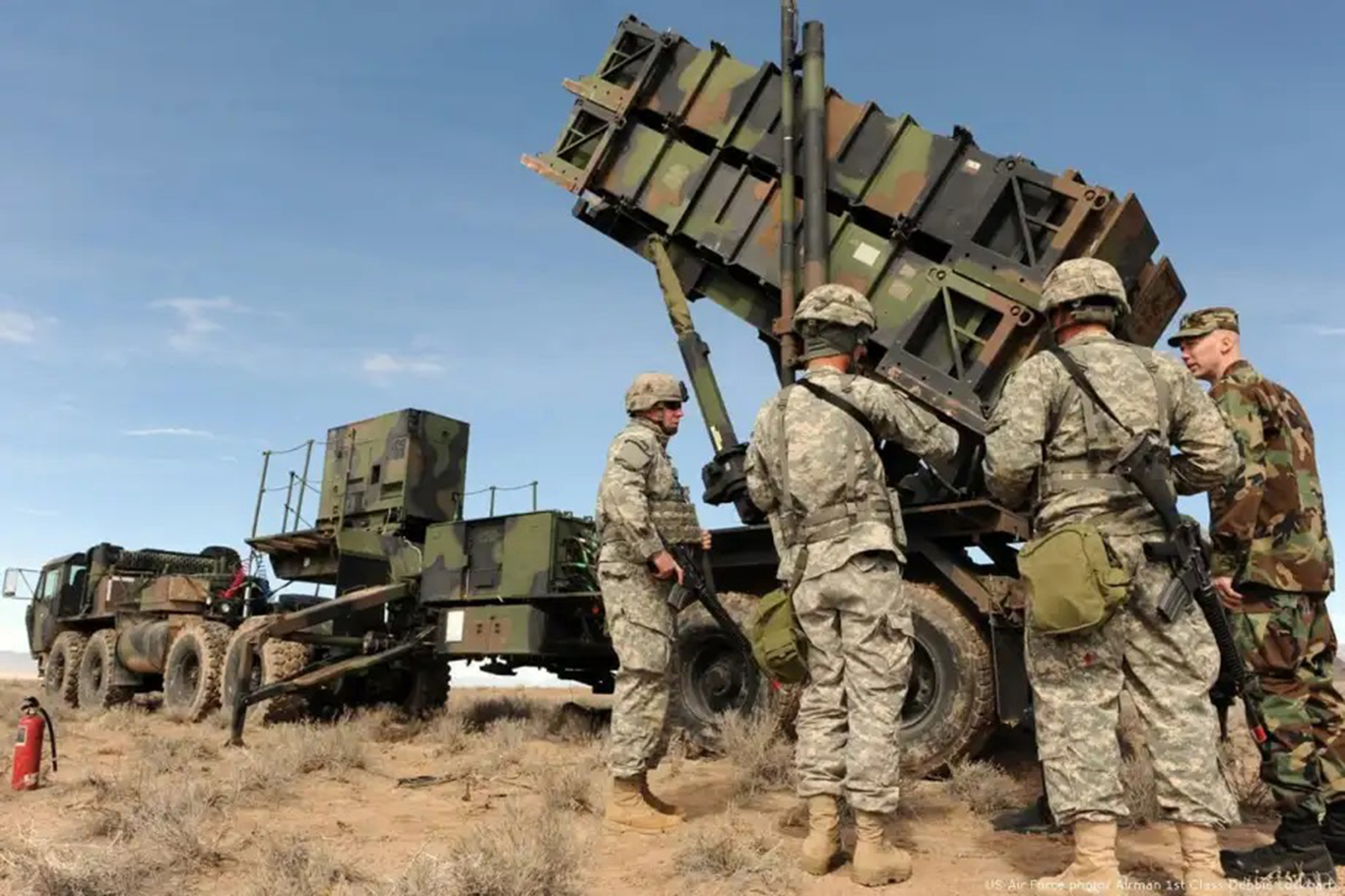
The investigation, reportedly carried out in August by military investigators rather than the FBI, focused on personnel connected to the Joint Staff, the group of senior military leaders that advises the president. Investigators were particularly interested in disclosures concerning U.S. inventories of long-range missiles and air-defense interceptors, including Patriot systems.
According to reports, officials were questioned about whether they had provided journalists with classified or sensitive information concerning ammunition shortages. None of those subjected to the polygraph examinations reportedly failed questions designed to determine whether they had leaked information to the media.
Not every senior military official was included in the investigation. Gen. Dan Caine, chairman of the Joint Chiefs of Staff, was reportedly excluded from the polygraph sweep.
The investigation comes as the Trump administration faces growing scrutiny over the cost of the Iran war and the strain it has placed on U.S. military stockpiles.
Trump rejects reports of ammunition shortages
President Donald Trump has repeatedly rejected reports that the United States is running dangerously low on critical weapons.
Trump has described reports about depleted stockpiles as false and has accused those responsible for the disclosures of making “treasonous” statements. He has also threatened severe prison sentences for officials who leak classified information.
On September 3, Trump again attacked media reports about U.S. munitions levels, claiming that American weapons production was operating at unprecedented levels and that the United States had far more ammunition than it could use.
The Pentagon has offered a more cautious response. Pentagon spokesman Sean Parnell said the department does not comment on internal personnel or investigative matters but takes classified leaks extremely seriously and investigates them accordingly.
Concerns over Patriot and THAAD inventories
Despite the administration's denials, independent defense analysts and U.S. media reports have pointed to significant depletion of several critical weapons systems.
A July analysis by the Center for Strategic and International Studies (CSIS) estimated that U.S. inventories had fallen to fewer than 1,000 Patriot interceptors and roughly 250 THAAD interceptors after extensive use during the conflict. The organization warned that continued combat operations could place additional pressure on the remaining stocks.
Earlier reporting also indicated that U.S. forces had consumed large quantities of long-range offensive weapons, including Tomahawk cruise missiles and Army tactical missiles. Some assessments have suggested that rebuilding stocks of certain sophisticated weapons could take years rather than months.
The issue is particularly significant because Patriot and THAAD systems are among Washington's most important defenses against ballistic missiles. U.S. stocks have also been drawn down by military assistance to Ukraine and previous operations in the Middle East.
An Associated Press report last week described U.S. Patriot stocks in Europe as “beyond critical,” warning that depleted inventories could weaken NATO's ability to respond to a major missile attack.
Military leaders warn against prolonged war
The ammunition dispute has coincided with growing concerns inside the U.S. military about the sustainability of the Iran campaign.
A classified assessment reportedly presented to Defense Secretary Pete Hegseth warned that extending large-scale military operations against Iran could weaken U.S. capabilities in other regions, including against potential threats in Europe and the Indo-Pacific.
According to The Washington Post, senior Army, Navy and Air Force leaders, as well as four-star commanders responsible for U.S. operations in several regions, expressed concerns that prolonging the conflict was unsustainable and could erode American military readiness.
The concerns are not entirely new. Gen. Caine had reportedly warned before the U.S. operation against Iran that shortages of critical munitions could increase risks to American forces.
Leaks raise fears of a security breach
The Pentagon's investigation has gone beyond determining who may have spoken to journalists. Investigators have reportedly examined whether someone with access to highly restricted ammunition data could potentially have been working on behalf of a foreign intelligence service.
The latest investigation follows other unauthorized disclosures, including a leaked portion of the Secretary of Defense Orders Book. The document reportedly revealed that several four-star military leaders formally objected to extending the war against Iran, warning that continued operations could damage U.S. global readiness.
Pentagon officials have condemned the disclosure as a serious breach of military security.
The administration's response has intensified the debate over the balance between protecting classified information and public scrutiny of military policy.
Replenishing U.S. stocks could take years
The central concern for U.S. military planners is not necessarily that Washington will immediately run out of weapons, but that sustained combat could leave the country with insufficient reserves for another major conflict.
CSIS previously concluded that the United States had sufficient weapons to continue fighting the Iran war under plausible scenarios, but warned that the more serious problem was the impact on America's ability to respond to future conflicts.
Other recent assessments have similarly warned that rebuilding inventories of advanced interceptors and long-range missiles could take several years. Some analysts estimate that certain stockpiles may not return to pre-war levels until the late 2020s or early 2030s.
The result is an increasingly contentious debate inside Washington: while the Trump administration insists that American military production can replenish depleted inventories, defense analysts and some military officials warn that manufacturing sophisticated missiles at scale cannot happen quickly enough to eliminate the strategic risks created by a prolonged war.
The Pentagon's investigation into the leaks is therefore unfolding alongside a much broader question over U.S. military readiness — and whether the demands of the Iran war are beginning to force Washington to make difficult choices about how it allocates its remaining weapons and prepares for potential conflicts elsewhere. (ILKHA)
LEGAL WARNING: All rights of the published news, photos and videos are reserved by İlke Haber Ajansı Basın Yayın San. Trade A.Ş. Under no circumstances can all or part of the news, photos and videos be used without a written contract or subscription.

The United Nations General Assembly has voted in favor of replacing the traditional world map with a projection that more accurately reflects the actual size of Africa and other continents.
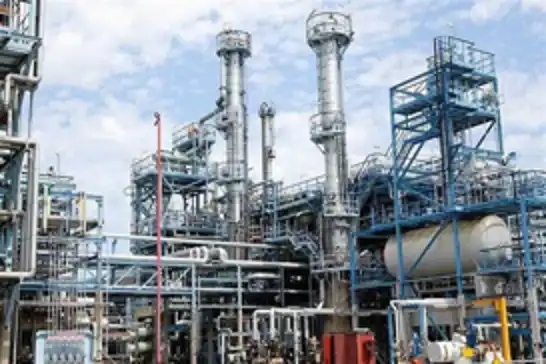
Iran has completed a significant part of the reconstruction of oil refineries and energy facilities damaged during the conflict that began on February 28, Iranian Oil Minister Mohsen Paknejad said, adding that the country's crude oil exports continued despite attacks on key infrastructure.

Greece's Athens Medical Association (ISA) has warned that the risk of West Nile virus transmission remains high despite the end of the summer season, urging residents of the Attica region to continue taking protective measures throughout September.