Iran rebuilds damaged oil facilities after attacks, seeks to boost energy output
 13 oC
13 oC 
Güneşli

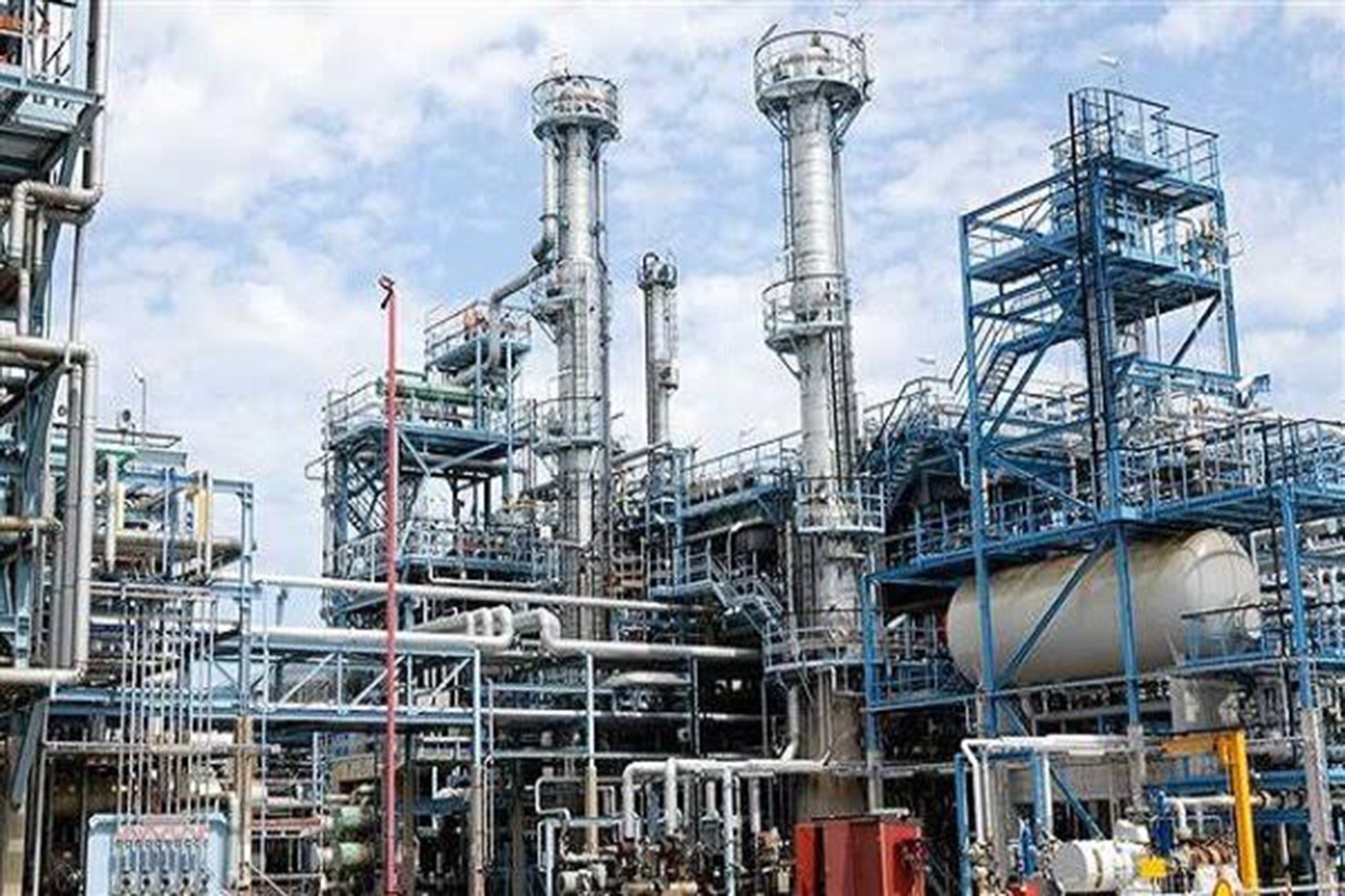
Iran has completed a significant part of the reconstruction of oil refineries and energy facilities damaged during the conflict that began on February 28, Iranian Oil Minister Mohsen Paknejad said, adding that the country's crude oil exports continued despite attacks on key infrastructure.
Speaking to the Oil Ministry-affiliated SHANA news platform, Paknejad said Iran managed to maintain oil export operations throughout the conflict and that reconstruction efforts at damaged facilities progressed rapidly after the attacks.
Regarding strikes targeting Khark Island, Iran's main oil export terminal, Paknejad said the facility continued operating despite repeated attacks.
"Despite the bombardment, our colleagues continued loading tankers," he said, adding that the island, which covers around 23 to 24 square kilometers, was targeted more than 550 times during the conflict.
Energy facilities gradually return to operation
Paknejad said reconstruction work on damaged oil and gas facilities began within days of the attacks, starting with debris removal and safety operations.
"After such incidents, the reconstruction process usually begins with removing debris. This process started two to three days later, and a significant part of the reconstruction has now been completed," he said.
Iranian officials have also reported progress in restoring damaged gas production capacity. At the South Pars Phase 14 refinery, one of Iran's key gas facilities, officials said around 70 percent of production capacity had been restored after damage caused by an attack. The remaining repairs are expected to continue as part of a wider recovery plan for the country's energy infrastructure.
The South Pars field, which Iran shares with Qatar's North Field, is one of the world's largest natural gas reserves and plays a central role in Iran's domestic energy supply.
Iran aims to increase gas production
Paknejad said the results of the reconstruction efforts would become more visible in the coming months, adding that Tehran plans to increase natural gas production and strengthen the country's energy capacity.
The Iranian government has repeatedly emphasized the resilience of its energy sector following attacks on strategic facilities, while seeking to reassure domestic and international markets that oil and gas supplies remain stable.(ILKHA)
LEGAL WARNING: All rights of the published news, photos and videos are reserved by İlke Haber Ajansı Basın Yayın San. Trade A.Ş. Under no circumstances can all or part of the news, photos and videos be used without a written contract or subscription.
The Pentagon has administered polygraph tests to around 50 military officers and civilian officials as part of an investigation into leaks about declining U.S. munitions stocks amid the ongoing war with Iran, according to multiple U.S. media reports.

The United Nations General Assembly has voted in favor of replacing the traditional world map with a projection that more accurately reflects the actual size of Africa and other continents.

Greece's Athens Medical Association (ISA) has warned that the risk of West Nile virus transmission remains high despite the end of the summer season, urging residents of the Attica region to continue taking protective measures throughout September.