U.S. military pesence at Sofia airport ends after failed visa negotiations
 13 oC
13 oC 
Güneşli

The last U.S. military aircraft deployed to Bulgaria departed Sofia on Sunday, ending a temporary mission that became entangled in a dispute over American visa requirements for Bulgarian citizens.
Bulgarian Defence Minister Stefan Stoyanov confirmed on Monday that the aircraft had left the country as scheduled.
“The last aircraft took off at around 14:00 on Sunday, so the mission of the American aircraft in Bulgaria has ended,” Stoyanov said, adding that Washington had respected Sofia’s decision to terminate the deployment by the end of June.
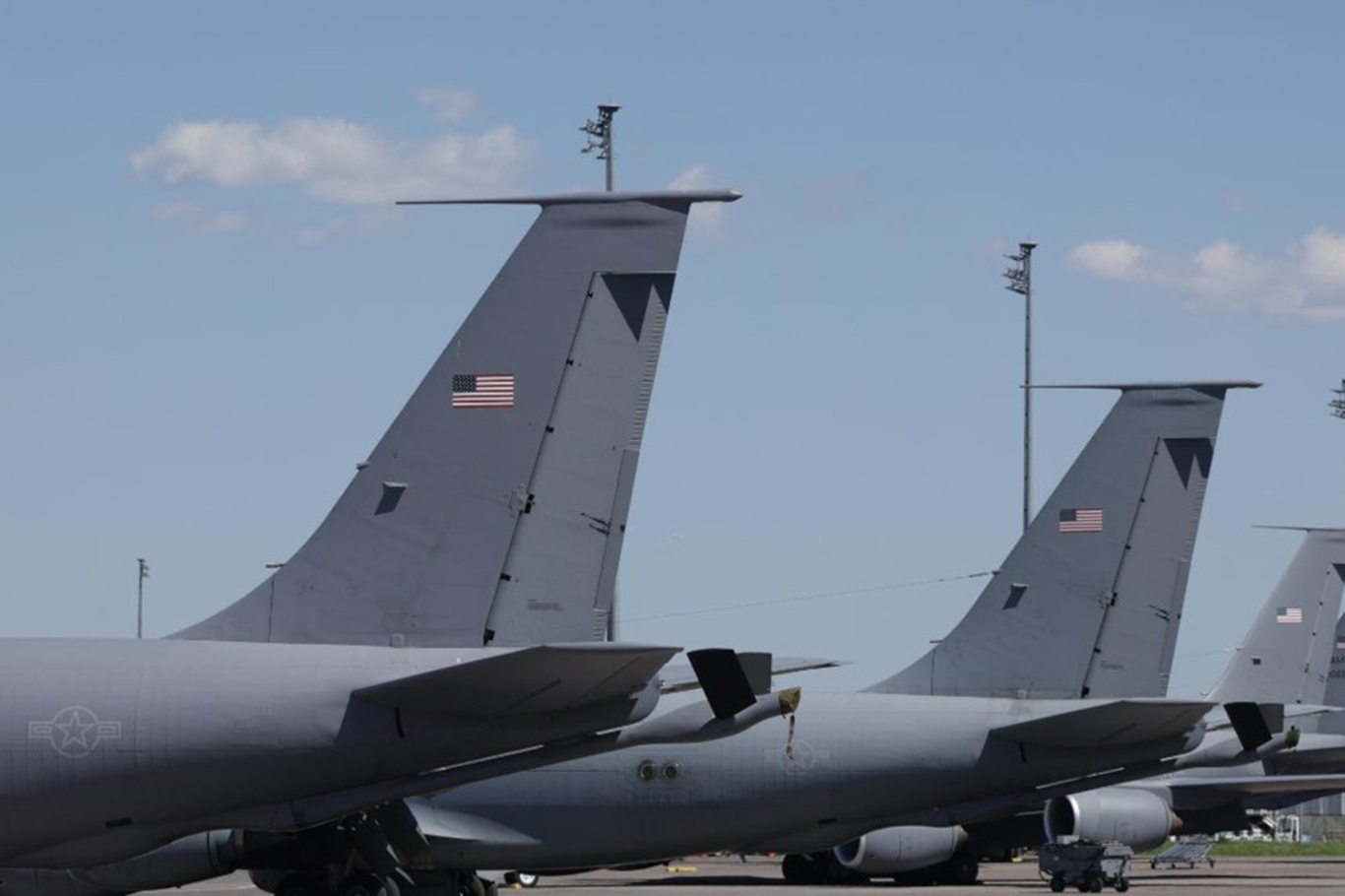
The United States had deployed 15 military aircraft to Sofia Airport, including troop transport planes and aerial refuelling tankers, as part of operations linked to regional security requirements. The Bulgarian government initially approved the deployment until the end of May before extending it through June 30.
The issue gained political significance after Prime Minister Rumen Radev publicly suggested that any further extension should be tied to progress on Bulgaria’s long-standing efforts to secure entry into the U.S. Visa Waiver Program. However, no agreement was reached and the aircraft departed as planned.
Washington did not publicly respond to the proposal, and Bulgarian citizens remain subject to U.S. visa requirements.
Despite the dispute, Radev emphasized that relations between Sofia and Washington remain strong.
“The United States remains our strategic ally in security and a key partner in energy, high technology, artificial intelligence and the economy. The government will continue working to deepen cooperation between the two countries,” he said shortly before the aircraft departed.
The presence of U.S. military aircraft at Sofia Airport had become a topic of domestic political debate during and after Bulgaria’s April elections. Critics questioned the visibility of the deployment at the country’s main civilian airport and raised concerns about Bulgaria’s role in broader regional tensions, particularly following U.S. and Israeli military actions against Iran.
The controversy intensified in May when Iran delivered an official diplomatic note to Bulgaria warning against the presence of American military aircraft at Sofia Airport. Tehran described the deployment as connected to U.S. operations in the Middle East and said it reserved the right to take measures to protect its national interests. Bulgarian authorities subsequently summoned Iran’s ambassador to discuss the issue.
According to Bulgarian officials, efforts were made to explore relocating the aircraft to military facilities such as Graf Ignatievo Air Base and Bezmer Air Base. However, Sofia Airport was reportedly the only facility capable of supporting the logistical requirements of the deployment, including the large quantities of aviation fuel needed for tanker aircraft.
The deployment also highlighted Bulgaria’s broader strategic role within NATO. Under the 2006 Defence Cooperation Agreement between Bulgaria and the United States, American forces have access to several joint military facilities in the country, including the Novo Selo Training Area, Graf Ignatievo Air Base, Bezmer Air Base and the Aytos Logistics Centre. While these facilities remain under Bulgarian sovereignty, they are regularly used for joint training, logistics and alliance operations on NATO’s eastern flank.
The departure of the aircraft comes as Bulgaria continues to seek inclusion in the U.S. Visa Waiver Program. Despite years of lobbying by successive governments, the country has yet to meet the program’s eligibility requirements, which include maintaining a non-immigrant visa refusal rate below 3 percent and meeting strict standards on border security and information-sharing.
According to U.S. government criteria, Bulgaria’s visa refusal rate remains significantly above the required threshold. As of 2026, Bulgaria remains among the few European Union member states whose citizens still require visas to travel to the United States.
The withdrawal of the aircraft closes a chapter in U.S.-Bulgarian security cooperation that drew unusual public attention, but officials on both sides have indicated that broader defence and strategic ties remain unchanged. (ILKHA)
LEGAL WARNING: All rights of the published news, photos and videos are reserved by İlke Haber Ajansı Basın Yayın San. Trade A.Ş. Under no circumstances can all or part of the news, photos and videos be used without a written contract or subscription.
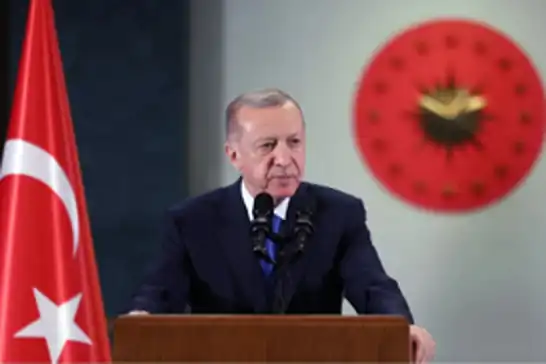
Turkish President Recep Tayyip Erdoğan highlighted Türkiye’s growing defence industry exports, foreign policy engagements, and humanitarian assistance efforts during a press conference following a Cabinet meeting at the Presidential Complex in Ankara.

Kazakhstan has officially brought its bicameral parliamentary system to an end after the lower house, the Mazhilis, and the upper house, the Senate, held their final joint session under the 1995 Constitution.

Hungary has recorded its highest temperature since weather observations began in 1870, as an intense heatwave continues to grip much of the country.