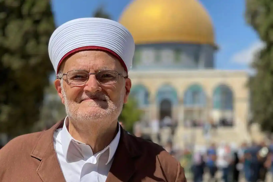
Tunisian opposition figure Ayachi Hammami arrested after court upholds prison sentence
 13 oC
13 oC 
Güneşli

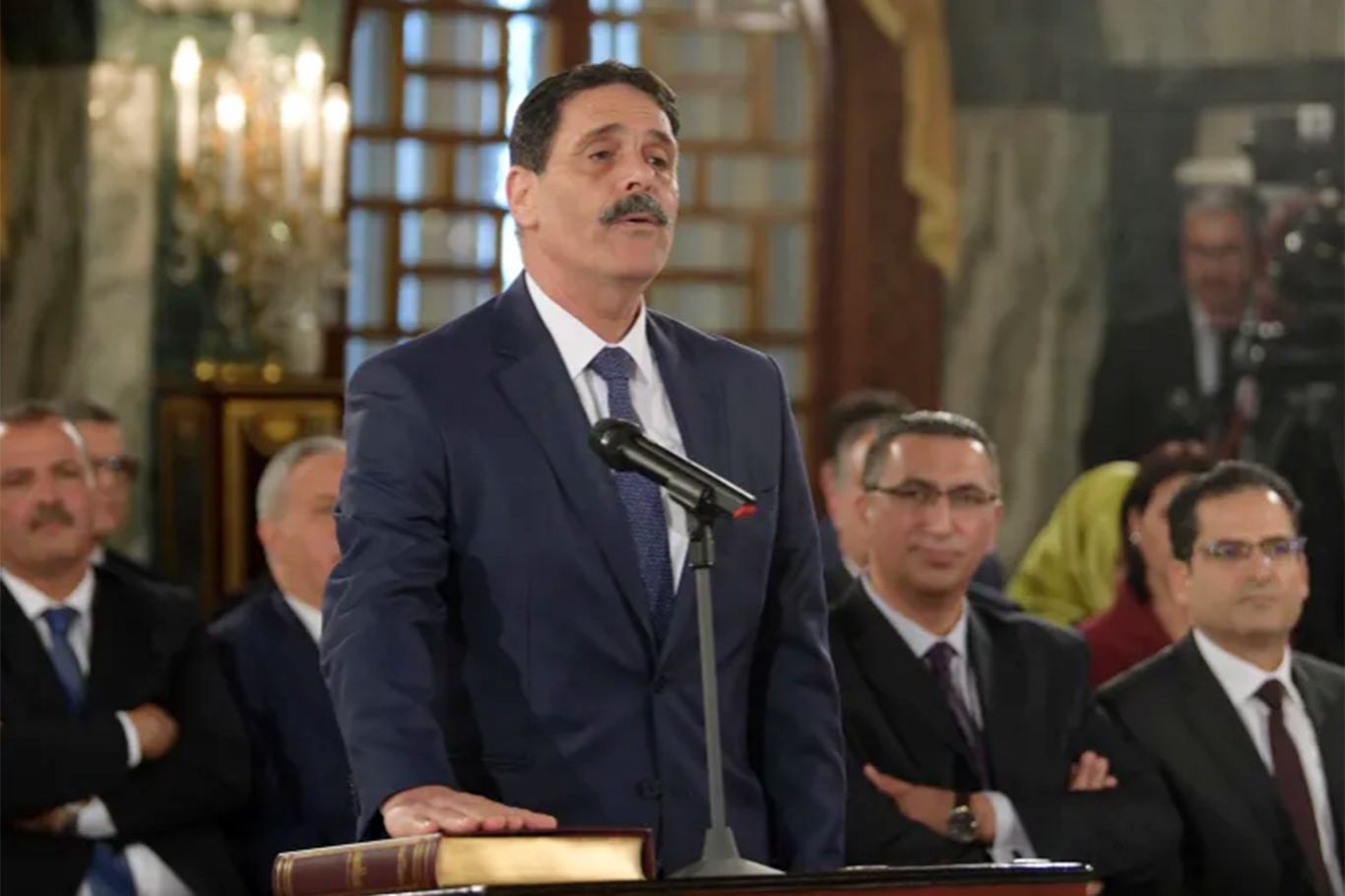
Tunisian authorities have arrested prominent opposition figure Ayachi Hammami at his home to enforce a five-year prison sentence, after an appeals court upheld convictions against dozens of political opponents on charges of conspiring against state security.
The court last week confirmed jail terms ranging from four to 45 years for opposition leaders, business figures, and lawyers accused of plotting to overthrow President Kais Saied, who has pursued a crackdown on dissenting voices for years.
In a video posted by his family on Facebook, Hammami, who served as minister of human rights in 2020, said: “If you are seeing this video, I have been arrested. I have spent years fighting for democracy, freedom, rights. I will turn my cell into a new front of struggle,” adding that he planned to go on hunger strike.
Hammami’s arrest follows the detention of fellow opposition figure Chaima Issa, who was arrested last week at a protest in Tunis to serve a 20-year prison sentence in the same case.
The sweeping prosecution has targeted around 40 individuals, including former officials and the former head of intelligence, Kamel Guizani. Opposition members say the charges – including attempting to destabilize the country and overthrow the government – are politically motivated and intended to eliminate dissent through the judiciary.
Police are also expected to arrest Najib Chebbi, head of the National Salvation Front, Tunisia’s main opposition coalition, who received a 12-year prison sentence. Twenty others charged have fled abroad and were sentenced in absentia, marking one of the largest political prosecutions in Tunisia’s recent history.
President Saied has insisted he does not interfere in the judiciary. However, when the case was launched in 2023, he stated that judges acquitting the accused would be considered accomplices.
Rights groups have condemned the convictions. Human Rights Watch and Amnesty International called for the immediate annulment of the sentences.
Following the Tunis Court of Appeal’s decision on November 28, Amnesty’s Deputy Middle East and North Africa Director, Sara Hashash, said: “The decision by the Tunis Court of Appeal to uphold the unjust convictions in the so-called ‘conspiracy case’ is an appalling indictment of the Tunisian justice system … the Appeals Court has deliberately ignored the litany of fair trial violations that have plagued this sham case from day one.”
Since July 2021, Saied has suspended parliament – described by opponents as a coup – and has ruled by decree. Many of those powers were codified in a new constitution ratified in a widely boycotted 2022 referendum. Media figures, activists, and lawyers critical of Saied have also been detained under a “fake news” law passed the same year.
The crackdown has affected prominent politicians across the political spectrum, including Jawhar Ben Mbarek, cofounder of the main opposition alliance; Issam Chebbi, leader of the centrist Al Joumhouri party; Rached Ghannouchi, leader of the Ennahda Party and former parliament speaker; former Prime Minister Ali Larayedh; and Abir Moussi, head of the Free Constitutional Party. (ILKHA)
LEGAL WARNING: All rights of the published news, photos and videos are reserved by İlke Haber Ajansı Basın Yayın San. Trade A.Ş. Under no circumstances can all or part of the news, photos and videos be used without a written contract or subscription.
Colombian President Gustavo Petro has issued a direct invitation to former US President Donald Trump to visit Colombia and witness the country’s efforts in dismantling cocaine laboratories, following recent remarks by Trump threatening Colombia over its alleged role in cocaine production.

Following a recent attack in Washington, the US government has temporarily halted asylum and immigration applications from 19 countries, citing security concerns and ongoing comprehensive review.
Turkish President Recep Tayyip Erdoğan spoke by phone with French President Emmanuel Macron in a call requested by the French side, during which the leaders discussed bilateral relations, regional developments, and the ongoing war between Russia and Ukraine.