Trump rejects Iran’s seven-day Hormuz plan as Tehran pushes for diplomatic resolution
 13 oC
13 oC 
Güneşli

US President Donald Trump has rejected an Iranian proposal that could reopen the Strait of Hormuz within seven days, despite Tehran’s call for a negotiated framework to halt hostilities and restore normal maritime traffic through one of the world’s most important energy corridors.
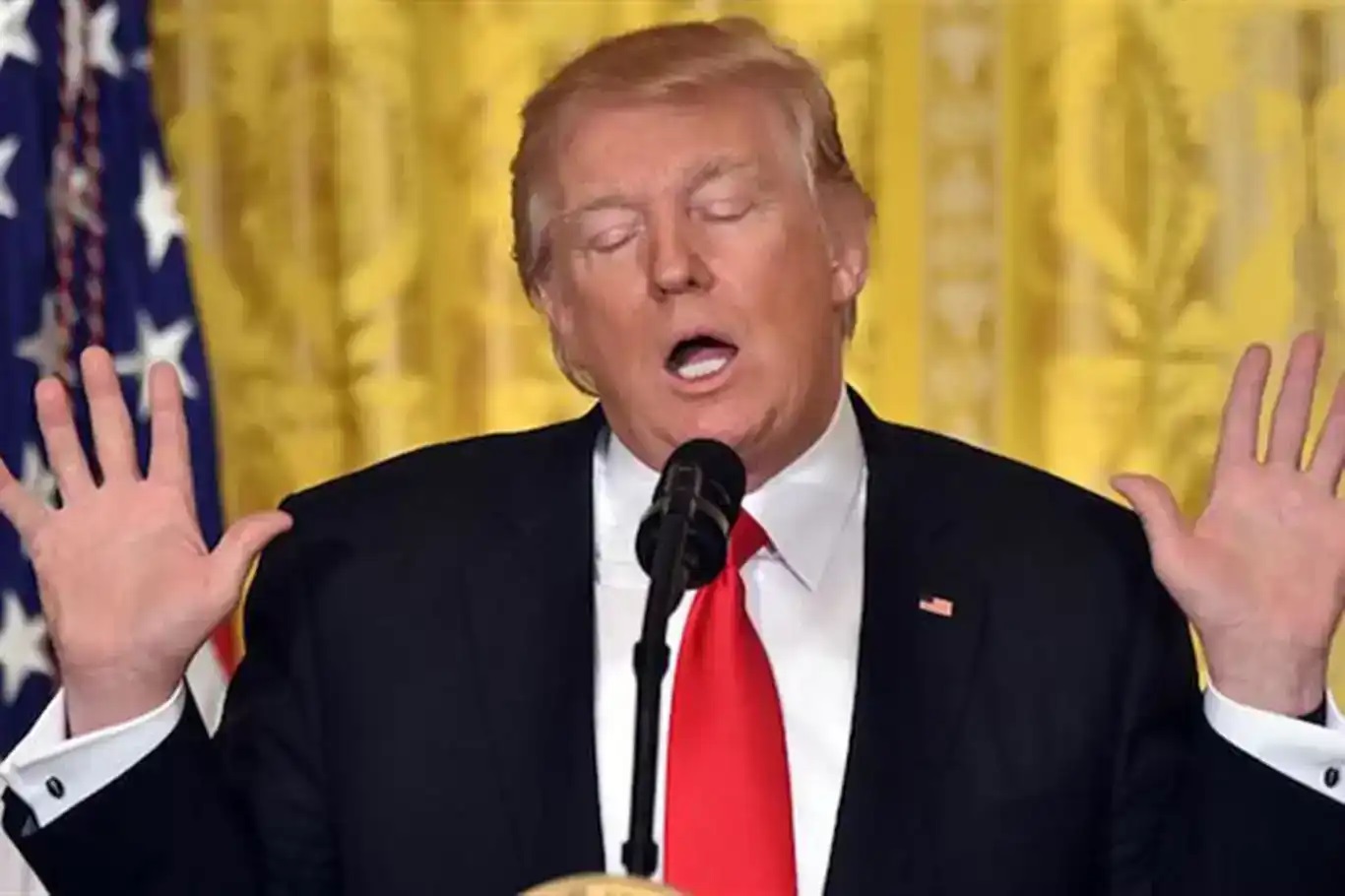
Trump told reporters at the White House on Saturday that he was rejecting the proposal, saying Iran wanted an agreement to reopen the strait because it was “losing so badly.” He also claimed that the United States already had “total control” of the waterway.
Iran, however, has presented the initiative as a diplomatic pathway toward ending the wider conflict rather than a unilateral concession.
Foreign Minister Abbas Araghchi said in New York on Friday that normal maritime traffic could resume within seven days if the necessary conditions were met. He said the conditions were based on a memorandum of understanding reached between Tehran and Washington in June.
Iranian officials have stressed that the proposal is intended to create a framework for ending hostilities through reciprocal measures. According to details reported by international media, Tehran is seeking an end to the US naval blockade of Iranian ports, the easing of sanctions affecting Iranian oil exports and a ceasefire covering the broader regional conflict.
Araghchi said Iran had transmitted the proposal to Washington through mediators and indicated that Tehran was prepared to move quickly if the United States demonstrated seriousness about reaching an agreement.
“If there is seriousness on the US side to come to a deal and reopen the Strait of Hormuz, everything is now prepared,” Araghchi said, according to reports from New York.
Under the Iranian proposal, the initial measures would take several days, with the waterway expected to return to normal maritime traffic by the end of the seven-day period.
The proposal revives elements of a June understanding that subsequently collapsed. That earlier arrangement reportedly provided a longer negotiating period but broke down amid renewed military confrontation and disagreements over implementation.
Iran has also indicated that reopening Hormuz would be linked to broader negotiations, including possible discussions on its nuclear program. Tehran has nevertheless maintained that any negotiations must respect what it considers its sovereign rights and cannot be conducted under military pressure.
Trump's rejection has cast fresh uncertainty over diplomatic efforts that emerged during the United Nations General Assembly in New York.
The US president said he was willing to make a deal but considered Iran's proposal unacceptable. His comments came after reports that Washington had received Tehran's initiative through intermediaries.
A US official previously described indirect discussions with Iran as “positive and constructive,” while Washington has continued to demand substantial changes in Tehran's position.
The Wall Street Journal has also reported that Trump remains skeptical that Iran will meet US demands and that US officials expect the possibility of renewed military action after the November midterm elections. That report was based on unnamed officials and has not been presented as a final US policy decision.
The Strait of Hormuz remains at the center of the confrontation because of its importance to international energy markets. Under normal conditions, roughly one-fifth of global oil and natural-gas supplies pass through the waterway.
The disruption caused by the conflict has contributed to major volatility in energy markets, increased shipping risks and placed additional pressure on countries dependent on Gulf energy supplies.
The United States has sought to facilitate some oil shipments through the area, while Gulf states are also examining alternative export routes and longer-term infrastructure projects that could reduce their dependence on Hormuz. Washington has reportedly proposed a multibillion-dollar regional initiative aimed at developing energy infrastructure capable of bypassing the strait.
For Tehran, the latest proposal represents an attempt to connect the reopening of Hormuz with reciprocal steps aimed at ending the conflict.
Iranian officials have repeatedly said they are prepared to engage in diplomacy but reject negotiations conducted under what they describe as military coercion.
President Masoud Pezeshkian similarly said during an interview in New York that Iran did not want the war to continue and that Washington had a choice over whether to pursue an end to the conflict through dialogue.
The proposal therefore places the next stage of the diplomatic process around a set of reciprocal conditions: an easing of US military and economic pressure, a halt to hostilities and the eventual restoration of normal shipping through Hormuz.
With Washington rejecting Tehran's latest proposal and Iran continuing to insist that a negotiated settlement remains possible, the future of the strategic waterway remains closely tied to the broader US-Iran confrontation. (ILKHA)
LEGAL WARNING: All rights of the published news, photos and videos are reserved by İlke Haber Ajansı Basın Yayın San. Trade A.Ş. Under no circumstances can all or part of the news, photos and videos be used without a written contract or subscription.
The death toll in Gaza has continued to rise as Palestinian health authorities report further Israeli attacks across the Strip despite the ceasefire that took effect on October 11, 2025.

The death toll from the sinking of the passenger ferry Virgo Transport 8 in Indonesia’s Java Sea has risen to 64, authorities said Saturday, nearly two weeks after the vessel went down during its voyage from Surabaya to Banjarmasin.
At least 12 people were killed and around 30 others wounded in a suicide bombing at a police checkpoint in northwestern Pakistan on Saturday, authorities said, as deadly violence continues to intensify in areas bordering Afghanistan.