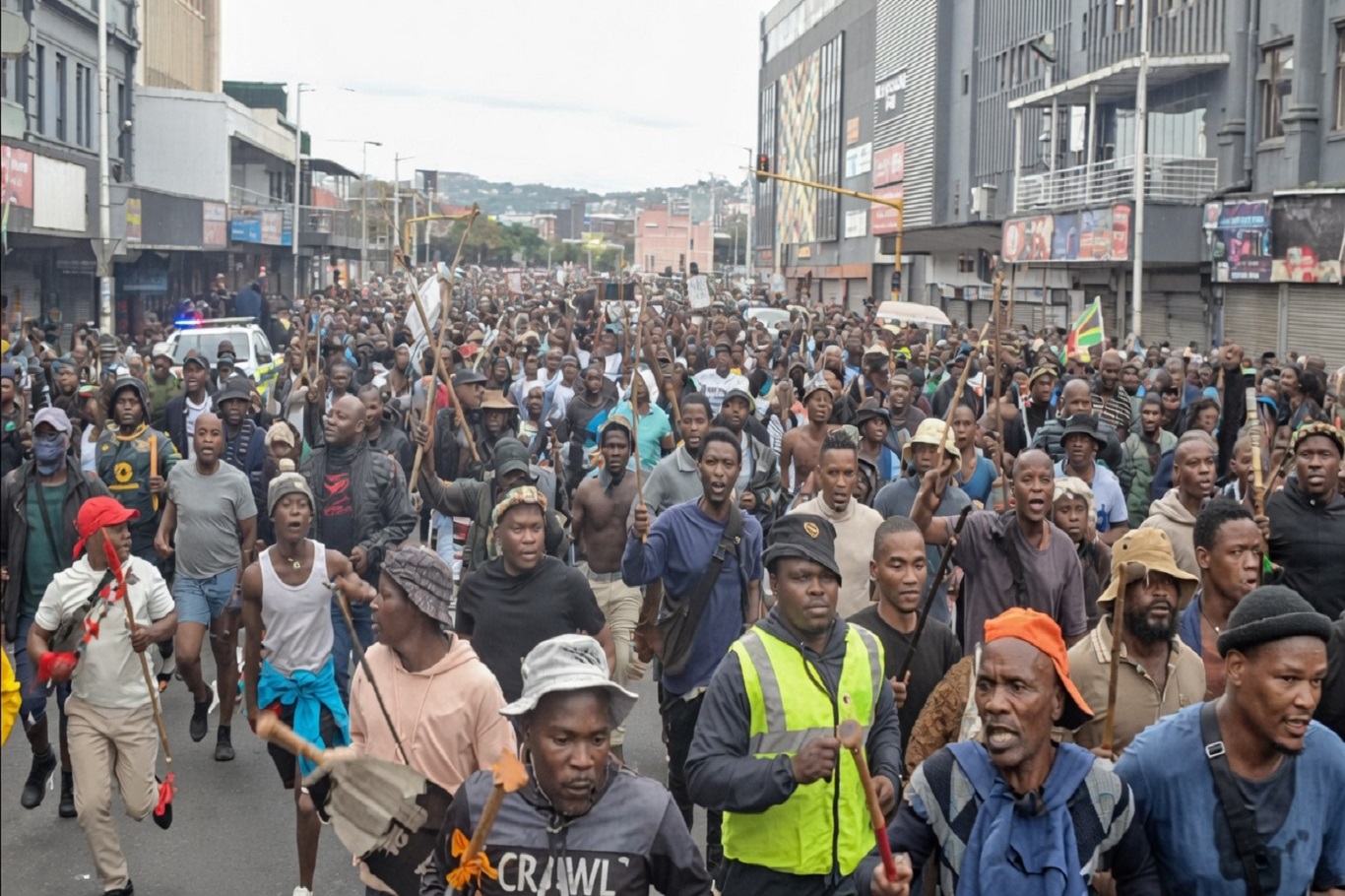
Thousands march across South Africa demanding deportation of undocumented migrants
 13 oC
13 oC 
Güneşli

Thousands of protesters took to the streets across South Africa on Tuesday, demanding the removal of undocumented migrants and prompting a major security operation as authorities sought to prevent a repeat of past outbreaks of xenophobic violence.
Demonstrations were held in major cities including Johannesburg and Durban after anti-migrant groups set a deadline for undocumented foreign nationals to leave the country. Police, supported by private security personnel and backed by military units placed on standby, were deployed in large numbers to monitor the marches.
The Ministry of Police said the protests were largely peaceful, although several incidents of violence, looting and intimidation were reported.
Police Minister Firoz Cachalia confirmed that members of the military had been deployed on a contingency basis in parts of Johannesburg and Durban amid concerns that tensions could escalate.
In Johannesburg’s Hillbrow district, an area with a large migrant population, police arrested three people after gunfire erupted during a protest. Authorities said the suspects allegedly opened fire on demonstrators, injuring two people, including a 17-year-old. Protesters later set the suspects’ vehicle ablaze.
Additional incidents were reported in Yeoville, another migrant-heavy suburb, where some demonstrators threw bricks and damaged residential properties. In nearby Germiston, local media reported that groups of protesters went door-to-door, demanding identification documents from residents they suspected of being foreign nationals and handing some over to police for verification.
Police also arrested five people accused of looting a foreign-owned shop in Soweto, while several others were detained in KwaZulu-Natal province for looting, assault and intimidation-related offenses.
Businesses in central Johannesburg and Durban remained closed throughout much of the day as authorities maintained a visible security presence in commercial districts.
Thousands Repatriated as Regional Governments Respond
South African police said approximately 25,000 undocumented migrants have been repatriated in recent weeks, while more than 50,000 people have been arrested since January for immigration-related offenses.
The unrest has triggered a large-scale repatriation effort across the region. Nigeria has evacuated hundreds of its citizens from South Africa, while governments in Ghana, Malawi, Mozambique and Zimbabwe have also organized flights and bus convoys to return nationals seeking to leave the country.
In Durban, where some of the largest demonstrations took place, authorities have begun dismantling temporary transit camps that housed migrants awaiting transportation home. Reports indicate that approximately 7,000 Malawian nationals have already been repatriated, while thousands more remain in transit through neighboring Mozambique.
Humanitarian organizations have expressed concern about the conditions facing displaced migrants, many of whom have spent weeks in temporary shelters fearing attacks.
Rising Tensions Amid Economic Pressures
South Africa hosts more than three million documented foreign nationals, according to official statistics, though the number of undocumented migrants remains unknown and is a central issue for protest organizers.
The demonstrations come against a backdrop of persistent economic challenges, including an unemployment rate exceeding 30 percent. Protest leaders argue that undocumented migration places additional pressure on jobs, housing and public services, while migrant rights groups warn that such claims risk fueling xenophobia and collective punishment.
The government has urged citizens to remain calm and warned against taking the law into their own hands. Officials stressed that immigration enforcement remains the responsibility of state institutions and not private individuals or protest groups.
International Concern Over Xenophobic Violence
Regional and international organizations have closely monitored the situation, recalling previous outbreaks of anti-foreigner violence in South Africa. In 2008, more than 60 people were killed during widespread xenophobic riots that shocked the country and drew global condemnation.
According to the African Centre for Migration and Society's Xenowatch monitoring project, at least two people have already been killed in xenophobia-related incidents this year.
While Tuesday's protests were largely contained by security forces, authorities remain on high alert amid concerns that isolated incidents could trigger broader unrest. Police said patrols and public order operations would continue in major cities in the coming days as the government seeks to maintain stability and prevent further violence. (ILKHA)
LEGAL WARNING: All rights of the published news, photos and videos are reserved by İlke Haber Ajansı Basın Yayın San. Trade A.Ş. Under no circumstances can all or part of the news, photos and videos be used without a written contract or subscription.
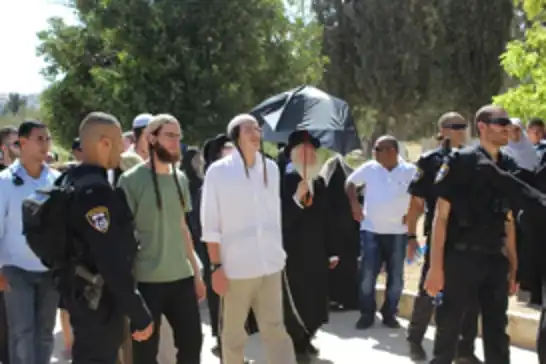
Groups of Israeli settlers entered the courtyards of the Al-Aqsa Mosque compound on Wednesday morning under police protection, as access for Palestinian worshippers was heavily restricted, according to the Islamic Awqaf authorities in Jerusalem.

Germany’s fertility rate fell to its lowest level in nearly three decades in 2025, underscoring the country’s growing demographic challenges as births dropped to a post-war record low, according to figures released by the Federal Statistical Office of Germany on Tuesday.
The Islamic Emirate of Afghanistan said it carried out strikes along the Pakistan border, injuring several people in Pakistan’s southwestern Balochistan province, prompting Pakistan to shoot down four rudimentary drones and issue a stern warning of a strong response.