Russia, China veto U.S. bid to extend U.N. monitoring of Iran
 13 oC
13 oC 
Güneşli

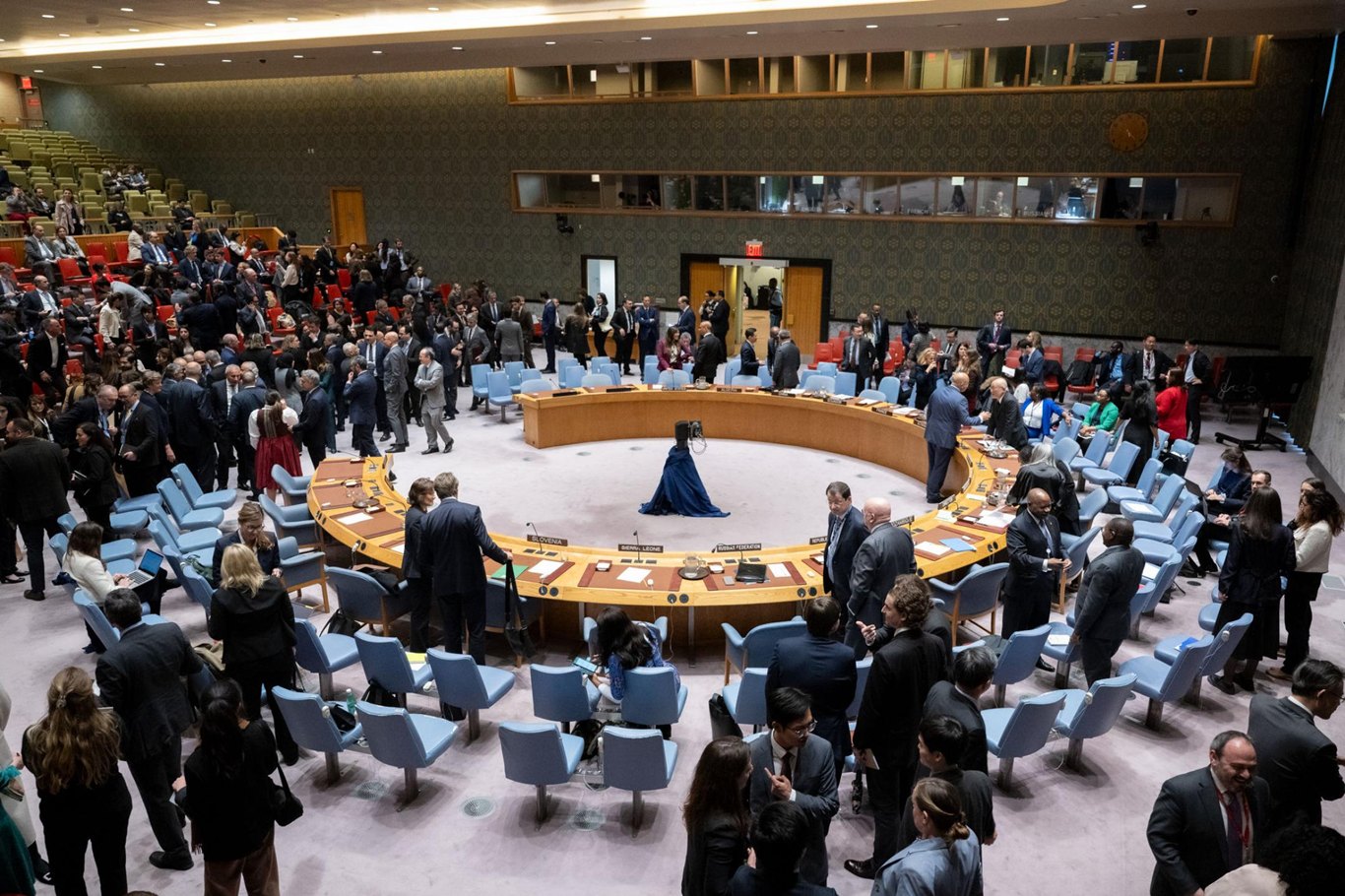
Russia and China have vetoed a US-backed resolution seeking to extend the mandate of a UN panel tasked with monitoring sanctions against Iran, blocking a politically motivated effort to maintain pressure on the Islamic Republic.
The resolution, put forward by the United States, received 11 votes in favor, while Russia and China voted against it and two members abstained. Because both countries are permanent members of the UN Security Council, their negative votes were sufficient to block the measure.
The vote concerned the Panel of Experts assisting the 1737 Iran Sanctions Committee, whose mandate was due to expire later this month. The panel was originally established under Security Council Resolution 1929.
The dispute, however, goes beyond the panel itself and reflects a broader disagreement over the legal status of UN sanctions on Iran following the expiration of Resolution 2231 and the activation of the so-called “snapback” mechanism.
Russia and China maintain that Resolution 2231 expired on Oct. 18, 2025, and that the Security Council therefore no longer has a legal or procedural basis to continue considering the Iranian nuclear issue under the existing framework.
During Thursday’s session, Russia challenged the decision to hold the meeting under the “Non-Proliferation” agenda item, arguing that the issue had already ceased to be an active matter before the council.
The Russian delegation said the council had “concluded its consideration of the Iranian nuclear issue,” and objected to what it described as an attempt to revive a “non-existent agenda item.”
Moscow has repeatedly argued that the Western interpretation of the snapback mechanism is legally unfounded. China has taken a similar position, calling for the dispute to be addressed through dialogue rather than political confrontation and pressure.
The issue has remained deeply contested since France, Germany and the UK invoked the snapback mechanism in 2025. Western governments maintain that the procedure restored earlier UN sanctions, while Iran, Russia and China reject that interpretation and argue that Resolution 2231 expired in October 2025.
Iran welcomed the outcome, with Parliament Speaker Mohammad Bagher Ghalibaf praising Moscow and Beijing for blocking the US-sponsored resolution.
Ghalibaf said the vetoes prevented the “political abuse” of the UN Security Council and reaffirmed what he described as the rule of law.
“The unipolar order in which one side extracts concessions through force and coercion has ended,” Ghalibaf said. He added that Iran should support a multipolar international system, arguing that unilateralism does not serve the interests of nations.
Iran’s UN mission also thanked Russia and China for opposing what it described as a “politically motivated” US draft resolution.
The failed vote highlights the growing divide within the Security Council over the future of the UN sanctions regime against Iran.
Western governments argue that the sanctions were restored through the snapback mechanism and remain legally binding. Iran, Russia and China dispute that interpretation, maintaining that the sanctions framework expired with Resolution 2231.
The disagreement has already paralyzed the 1737 Sanctions Committee’s substantive work, with Russia and China opposing efforts to reconstitute the expert panel and other mechanisms associated with the sanctions regime.
For Tehran, Thursday’s vote represents a significant diplomatic setback for Washington's efforts to preserve international pressure through the Security Council. The Russian and Chinese vetoes also underscore the increasingly multipolar divisions within the council over how Iran's nuclear file and related sanctions should be addressed.
Russia's UN ambassador Vassily Nebenzia urged Western countries to abandon what he called dangerous actions toward Iran, warning that further escalation could complicate efforts to resolve the crisis in the Persian Gulf. (ILKHA)
LEGAL WARNING: All rights of the published news, photos and videos are reserved by İlke Haber Ajansı Basın Yayın San. Trade A.Ş. Under no circumstances can all or part of the news, photos and videos be used without a written contract or subscription.
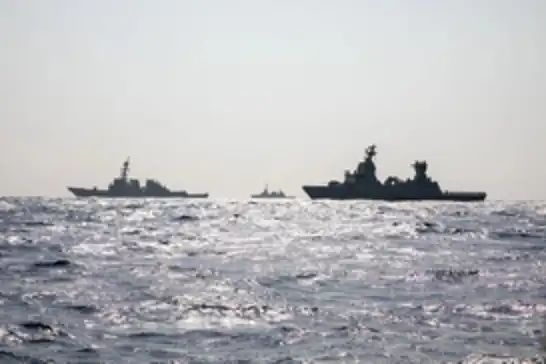
Greek and Israeli naval forces have conducted a joint military exercise in the Eastern Mediterranean, a development likely to draw attention in Türkiye amid Ankara’s repeated calls for cooperation and dialogue in the strategically sensitive region.
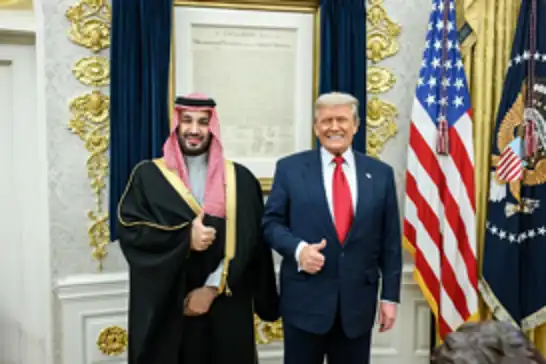
The United States has approved the potential sale of 48 F-35A Lightning II fighter jets to Saudi Arabia in a deal valued at an estimated $24.3 billion, marking a major step in defense cooperation between Washington and Riyadh.
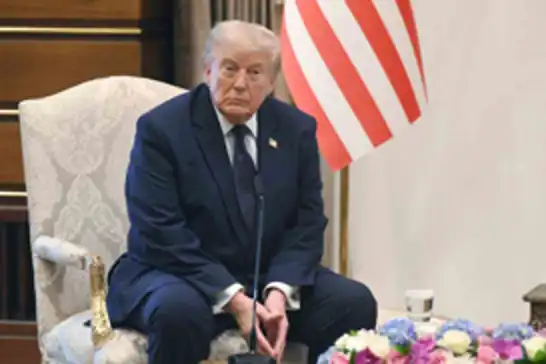
U.S. President Donald Trump said Thursday that he faces a “big decision” over whether to resume major military attacks against Iran, including what he described as the possible “annihilation” of the Iranian regime.