Merchant vessel struck in Strait of Hormuz as regional maritime tensions escalate
 13 oC
13 oC 
Güneşli

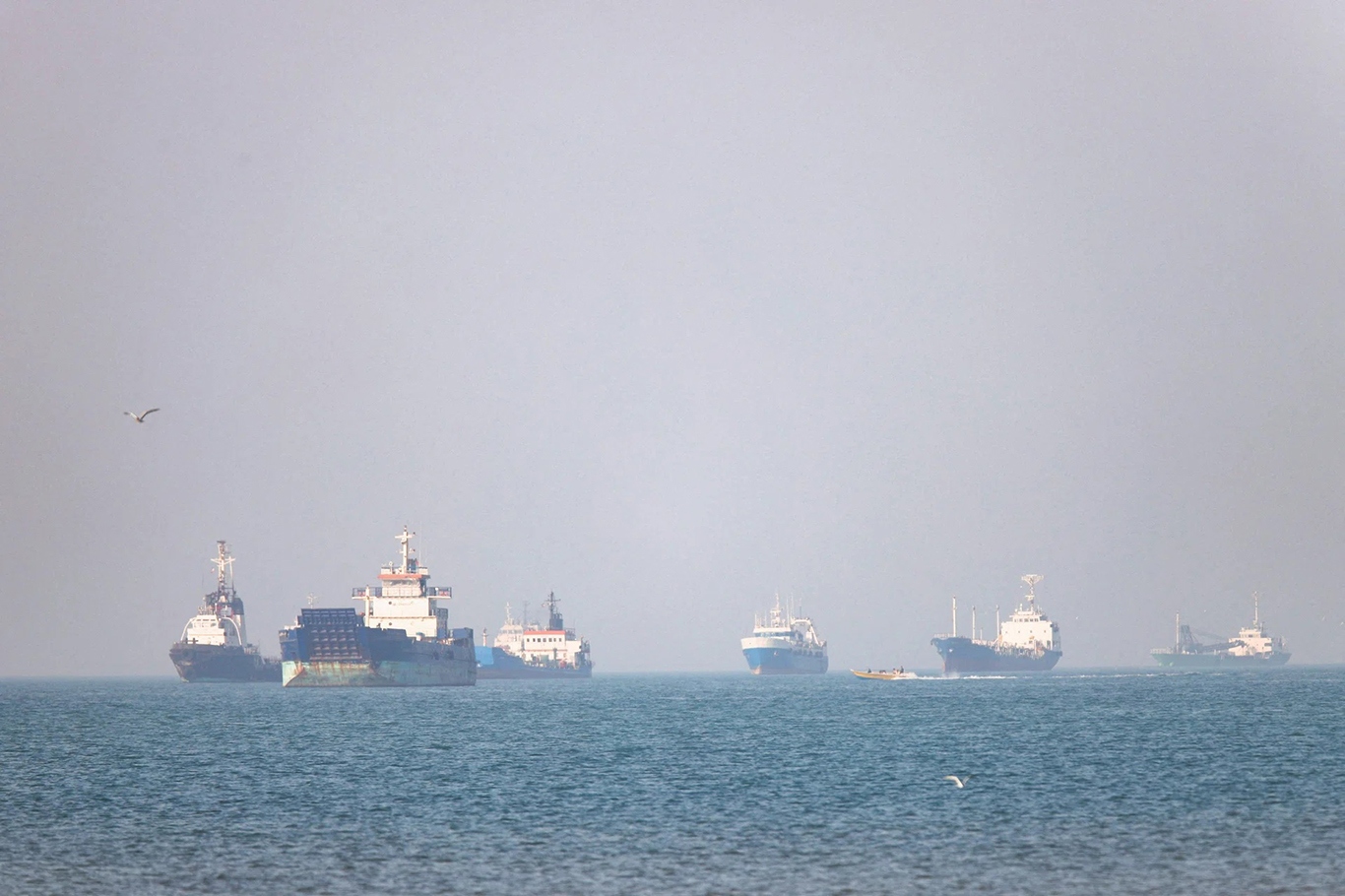
A commercial vessel transiting the Strait of Hormuz toward Oman was struck by an unidentified projectile, according to the United Kingdom Maritime Trade Operations (UKMTO). One crew member was killed, the ship sustained damage to its engine compartment, and no oil spill or marine pollution was reported.
The incident occurred at a time when commercial shipping through the Strait of Hormuz has fallen to historically low levels amid heightened regional tensions.
UKMTO said the vessel was hit on 18 August while exiting the Strait of Hormuz. Initial reports indicated that the impact damaged the engine room, while the crew received assistance from the Omani Coast Guard after the attack.
Authorities confirmed that one crew member died in the incident. Despite the damage, no fuel leakage or environmental contamination was detected.
No group or state has claimed responsibility for the attack, and the identity of the projectile has not been officially established. Investigations into the incident are ongoing.
Commercial shipping remains at exceptionally low levels
The latest attack comes as merchant traffic through the Strait of Hormuz continues to decline sharply following renewed uncertainty in negotiations between the United States and Iran.
Recent shipping data indicate that the number of commercial vessels transiting the strategic waterway has fallen to single-digit daily figures, a dramatic drop from normal traffic levels. During the weekend, only a handful of commodity carriers passed through the strait, while one day recorded no transits at all.
Maritime analysts warn that the slowdown reflects growing security concerns among shipping companies and insurers operating in one of the world's most important energy corridors.
Strategic waterway under growing pressure
The Strait of Hormuz is the primary maritime gateway for crude oil and liquefied natural gas exports from the Persian Gulf, making it one of the world's most strategically important shipping routes.
Recent attacks on commercial vessels have heightened concerns over the safety of maritime navigation. In July, tankers transiting the strait were also targeted, prompting several shipping companies to reassess voyages through the area and, in some cases, delay sailings or consider alternative routes.
Industry observers caution that prolonged disruption in the Strait of Hormuz could affect not only global oil and LNG supplies but also container shipping, dry bulk cargo movements and wider international supply chains.
Regional security developments and the future of diplomatic efforts between Washington and Tehran are expected to remain key factors influencing commercial navigation through the waterway.(ILKHA)
LEGAL WARNING: All rights of the published news, photos and videos are reserved by İlke Haber Ajansı Basın Yayın San. Trade A.Ş. Under no circumstances can all or part of the news, photos and videos be used without a written contract or subscription.

Syria on Tuesday condemned Israeli airstrikes on the Abu al-Duhur Military Airbase in Idlib, describing the attack as a violation of the country’s sovereignty and territorial integrity.

Israeli settlers carried out a series of attacks, land seizures and property violations across the occupied West Bank on Tuesday, with local sources reporting that several incidents occurred under the protection or presence of Israeli forces.

Serbia is battling 45 active open-space fires across 23 local self-government areas as prolonged hot and dry weather continues to put pressure on the country’s emergency services, the Serbian government said Monday.