Lebanon and Israel hold first civilian talks since 1983; Beirut rejects Israeli 'normalization' claims
 13 oC
13 oC 
Güneşli

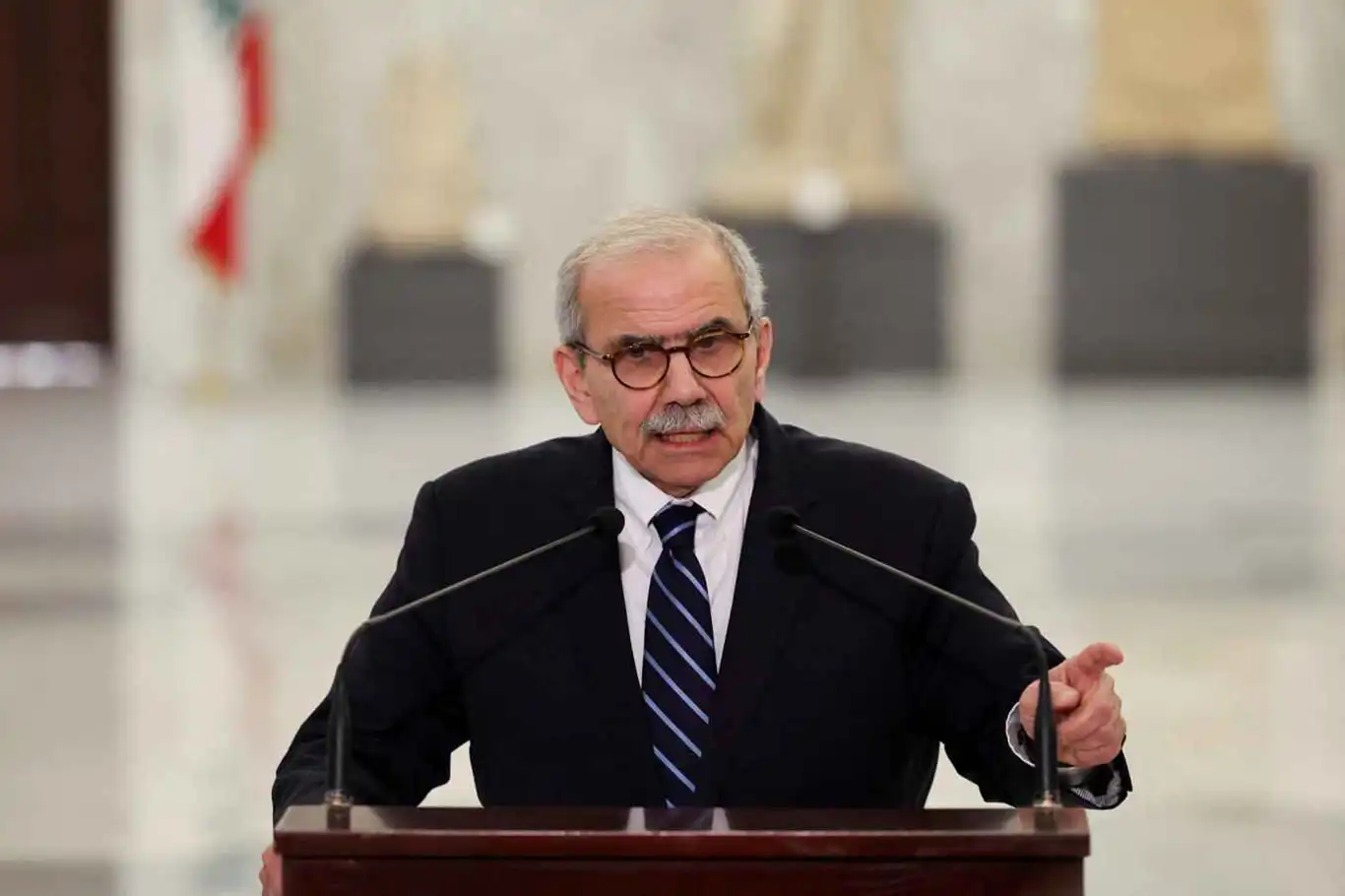
Lebanese and Israeli civilian representatives held their first direct discussions in decades on Wednesday at the headquarters of the UN Interim Force in Lebanon (UNIFIL) in Naqoura.
The talks were conducted under the year-old ceasefire monitoring mechanism established during the November 2024 truce between Israel and Hezbollah.
For Lebanon, the meeting was framed as a procedural step within a UN-mandated structure—not a political rapprochement with Israel, whose ongoing aggression, violations of Lebanese sovereignty, and occupation of Palestinian and Lebanese territories remain central sources of regional instability.
Lebanon’s delegation was led by former ambassador to Washington Simon Karam, appointed by President Joseph Aoun. The inclusion of civilian representatives marked the first time Beirut agreed to participate in a non-military format, aimed strictly at monitoring ceasefire obligations and preserving stability along the southern border.
Israel, however, sought to portray the meeting as a breakthrough in normalization.
Shosh Bedrosian, speaking on behalf of Prime Minister Benjamin Netanyahu, claimed the encounter was “an initial attempt to establish a basis for a relationship and economic cooperation.” Lebanese officials swiftly rejected this characterization, stressing that the talks were confined exclusively to ceasefire implementation.
Analysts in Beirut criticized Netanyahu’s remarks as part of Israel’s ongoing attempts to impose political narratives on its neighbors—similar to its push for Lebanon to join the U.S.-brokered Abraham Accords. Lebanon has repeatedly affirmed that it will not normalize ties with Israel while Israeli forces continue violating Lebanese airspace, occupying Arab lands, and carrying out military operations across the region.
The United States has been applying increasing pressure on Lebanon to “disarm Hezbollah,” a demand widely seen as unrealistic and intrusive, given that Israel continues to violate UN resolutions and Lebanese territory on a near-daily basis.
U.S. envoy Morgan Ortagus attended the talks after meeting Israeli officials in Jerusalem a day earlier, raising concerns in Lebanon that Washington’s involvement aims to advance Israeli security priorities rather than address Lebanon’s longstanding territorial and security grievances.
The U.S. embassy in Beirut praised the civilian participation and reiterated Washington’s support for the mechanism. However, Lebanese commentators noted that such statements conveniently ignore Israel’s continuous airstrikes in Syria, repeated drone incursions into Lebanon, and decades-long occupation of Palestinian land — actions that fuel the very instability Washington claims to oppose.
Lebanon and Israel have no diplomatic relations. The last direct negotiations occurred in 1983 after Israel’s invasion of Lebanon, leading to an agreement that was never ratified due to public and political opposition.
Netanyahu has repeatedly urged Lebanon to join the Abraham Accords, despite the Lebanese government’s firm stance that normalization is impossible without Israel first ending its occupation, ceasing its aggression, and respecting international law.
Lebanese officials reiterated on Wednesday that the Naqoura talks do not represent political engagement, but rather a necessary technical process to maintain calm along the southern border — calm repeatedly undermined by Israeli military actions.
The UN-backed mechanism was created to prevent escalation following Israel’s cross-border strikes in 2024 and Hezbollah’s retaliatory operations. While Lebanon has largely adhered to the terms of the ceasefire, Israel has been repeatedly accused of violating Lebanese airspace, targeting civilian infrastructure, and conducting covert operations — behavior Lebanese authorities say threatens to destabilize the entire region.
As the talks continue, Lebanon underscores that its participation is rooted in protecting national sovereignty and preventing further Israeli incursions, not in advancing any form of normalization agenda. (ILKHA)
LEGAL WARNING: All rights of the published news, photos and videos are reserved by İlke Haber Ajansı Basın Yayın San. Trade A.Ş. Under no circumstances can all or part of the news, photos and videos be used without a written contract or subscription.
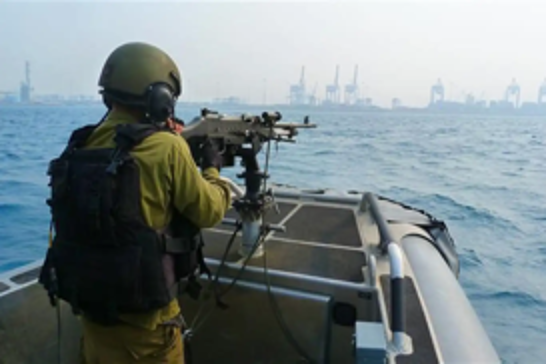
Israeli naval forces detained four Palestinian fishermen off the coast of the Gaza Strip on Thursday, marking another breach of the fragile ceasefire agreement in place since October 10.
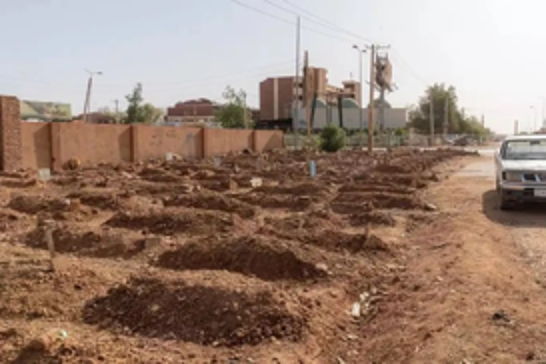
An international rights group has accused Sudan’s Rapid Support Forces (RSF) of committing war crimes during a brutal multi-day assault earlier this year on Zamzam camp, one of Darfur’s largest displacement sites, as Sudan’s catastrophic humanitarian crisis continues to spiral.

A veteran Russian cosmonaut assigned to SpaceX’s upcoming Crew-12 mission has been abruptly removed from the flight amid allegations that he photographed restricted materials during training at the company’s California facility.

The European Commission on Wednesday announced that it has added Russia to its list of “high-risk third countries,” claiming that Moscow has “strategic deficiencies” in its anti-money laundering (AML) and counter-terrorism financing frameworks.