Israeli restrictions are pushing Gaza's health system toward collapse, rights group warns
 13 oC
13 oC 
Güneşli

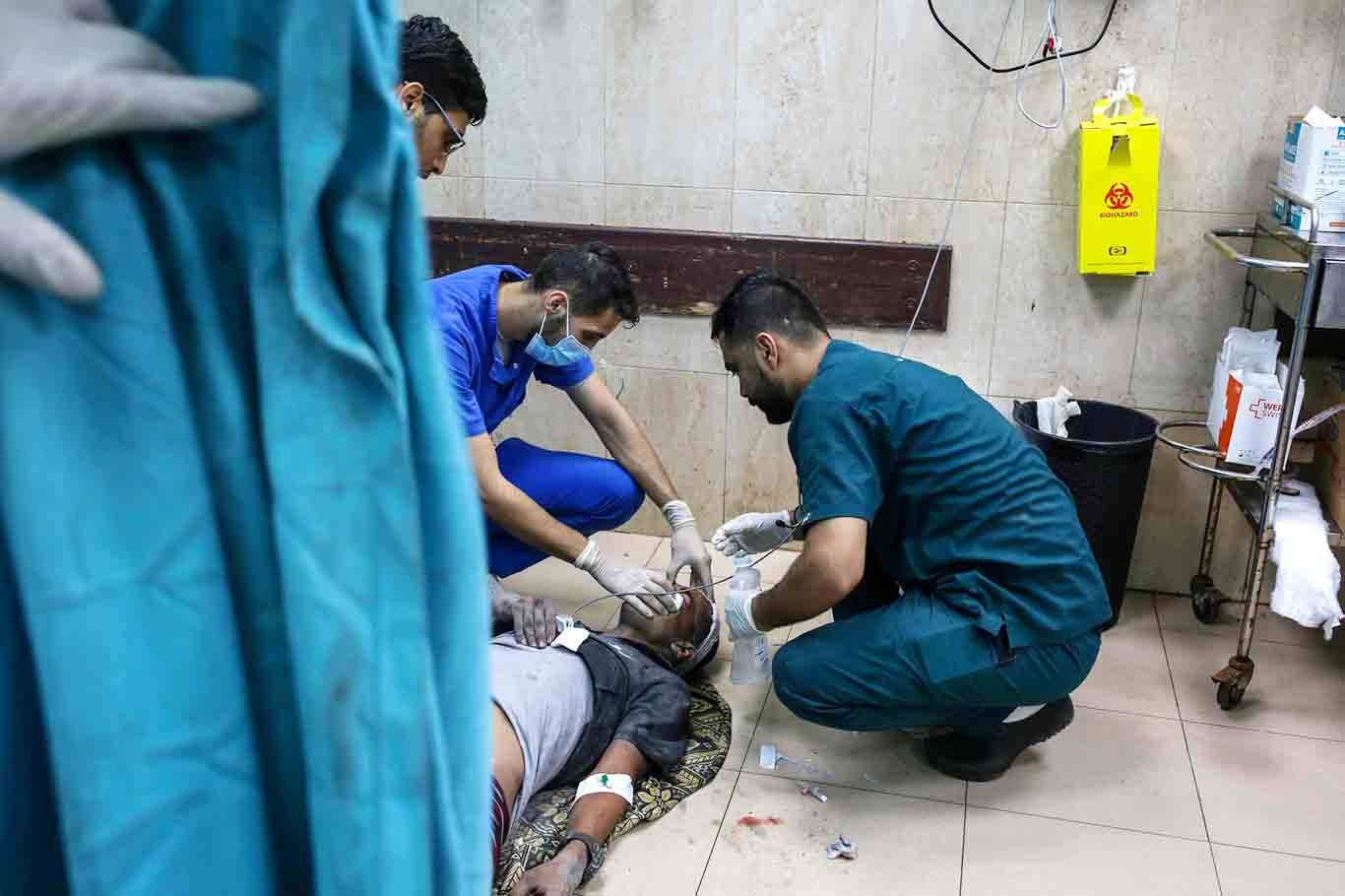
The Gaza Center for Human Rights has warned that Israel's continued restrictions on the entry of medical supplies and equipment into the Gaza Strip are deepening an unprecedented health crisis, placing the lives of tens of thousands of patients at risk and pushing the territory's healthcare system closer to total collapse.
In a statement issued Tuesday, the rights organization said Israeli authorities continue to classify many essential medical supplies and devices as "dual-use" items, preventing their entry into Gaza despite their exclusively therapeutic purpose.
The center said the policy has had devastating consequences for patients requiring specialized medical care, particularly those suffering from heart disease and serious dental conditions, whose access to life-saving treatment has deteriorated sharply.
"The continued ban on the entry of medical supplies and devices into Gaza constitutes an ongoing crime targeting the right to health and life," the organization said, warning that the restrictions are systematically dismantling the territory's already devastated healthcare system.
Dental Services Near Collapse
According to the center, Gaza's dental sector has reached the brink of collapse following months of conflict and severe restrictions on medical imports.
Citing figures from the World Health Organization (WHO), the organization noted that approximately 84 percent of Gaza's health facilities have been damaged or destroyed since the beginning of the Israeli military campaign, including numerous government, charitable and private dental clinics.
The situation is particularly severe in Khan Younis governorate, where hundreds of thousands of residents are currently served by only one functioning government dental clinic, two UNRWA clinics and a limited number of partially operating private practices.
The center said Israeli restrictions have blocked the import of essential dental equipment, anesthetics, filling materials and treatment supplies, forcing many dentists to abandon restorative procedures and rely on tooth extractions as the only available option.
The worsening electricity and fuel shortages have further undermined sterilization procedures, increasing the risk of infections and preventable complications.
The organization also highlighted the deaths and injuries of dentists and medical students, as well as the destruction of educational institutions, warning that Gaza's future capacity to provide oral healthcare is being severely weakened.
Heart Patients Face Life-Threatening Shortages
The rights group said patients suffering from cardiovascular diseases face an equally alarming situation.
Before the current conflict, major hospitals in Gaza reportedly performed between five and eight cardiac catheterization procedures each day. Today, only two or three emergency procedures can be carried out daily because of severe shortages of stents, medical balloons and other critical equipment.
Doctors are reportedly forced to prioritize only the most urgent cases, while nearly 80 percent of scheduled catheterization procedures have been suspended.
In some cases, physicians are unable to complete procedures because essential stents are unavailable, leaving patients at immediate risk of life-threatening complications.
The center also warned that many patients who previously underwent heart procedures no longer have access to medications required to prevent implanted stents from becoming blocked, exposing them to renewed cardiac emergencies only months after surgery.
Meanwhile, referrals for advanced treatment outside Gaza remain severely restricted because of continued limitations on movement through border crossings.
Broader Healthcare Crisis
The Gaza Center for Human Rights said the shortages affecting heart and dental patients reflect a wider policy of restricting humanitarian medical assistance entering the besieged territory.
According to the organization, only a small fraction of trucks carrying medical supplies have been permitted to enter Gaza since the beginning of the war, while international humanitarian organizations, including Doctors Without Borders (Médecins Sans Frontières), have repeatedly warned of prolonged interruptions in the delivery of medicines and medical equipment.
The center said shortages now extend to treatments for chronic illnesses such as diabetes and hypertension, while damage to oxygen production facilities and restrictions on spare parts threaten the continued availability of oxygen for critically ill patients and newborns.
AViolations of International Law
The rights organization underlined that preventing the entry of medical supplies constitutes a serious violation of international humanitarian law, particularly the Fourth Geneva Convention, which obliges an occupying power to ensure adequate medical care for civilians under its control.
It further stated that using restrictions on medical aid to pressure or collectively punish civilians could amount to a war crime under international law and warned that continued obstruction of healthcare contributes to living conditions that endanger civilian survival.
The center criticized what it described as efforts to portray the entry of limited consumer goods as evidence of humanitarian improvement while essential medical supplies remain blocked.
"Patients do not need symbolic displays of aid," the statement said. "They need medicines, medical devices and consumables that enable healthcare workers to save lives."
Calls for International Action
The Gaza Center for Human Rights called on the World Health Organization (WHO), the International Committee of the Red Cross (ICRC), the United Nations and governments worldwide to intensify pressure on Israel to establish a safe and sustainable humanitarian medical corridor into Gaza.
It urged that priority be given to supplies needed for cardiac surgery, intensive care units, kidney dialysis, operating theaters, dentistry and other essential medical services.
The organization also appealed to international media, medical associations, human rights organizations and civil society groups to draw greater attention to what it described as a neglected humanitarian emergency.
Warning that continued inaction could have irreversible consequences, the center said the voices of patients and healthcare workers must not be ignored, stressing that the ongoing denial of medical supplies is depriving hundreds of thousands of Palestinians of access to healthcare and threatening countless lives. (ILKHA)
LEGAL WARNING: All rights of the published news, photos and videos are reserved by İlke Haber Ajansı Basın Yayın San. Trade A.Ş. Under no circumstances can all or part of the news, photos and videos be used without a written contract or subscription.
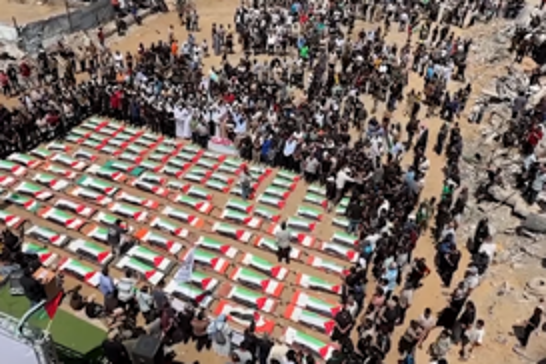
Thousands of mourners gathered in Gaza City on Tuesday to bid farewell to 112 Palestinian victims whose remains were recovered from beneath the rubble of homes destroyed by Israeli occupation forces during the genocidal assault on the Al-Sabra neighborhood in late 2023.
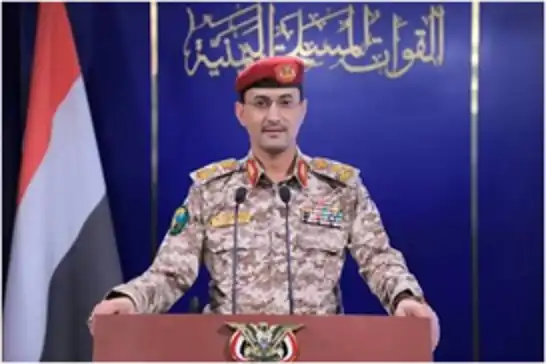
Yemen's Houthi movement announced on Tuesday that it had carried out a drone strike targeting Najran Airport in southwestern Saudi Arabia, describing the operation as a response to what it said were repeated Saudi drone incursions into Yemeni airspace.

Hezbollah Secretary-General Sheikh Naim Qassem called on Lebanon's political leadership to end "gratuitous concessions" to Israel, urging the government to prioritize national sovereignty, strengthen dialogue with the resistance, and maintain unity until Israeli forces withdraw from occupied Lebanese territories.