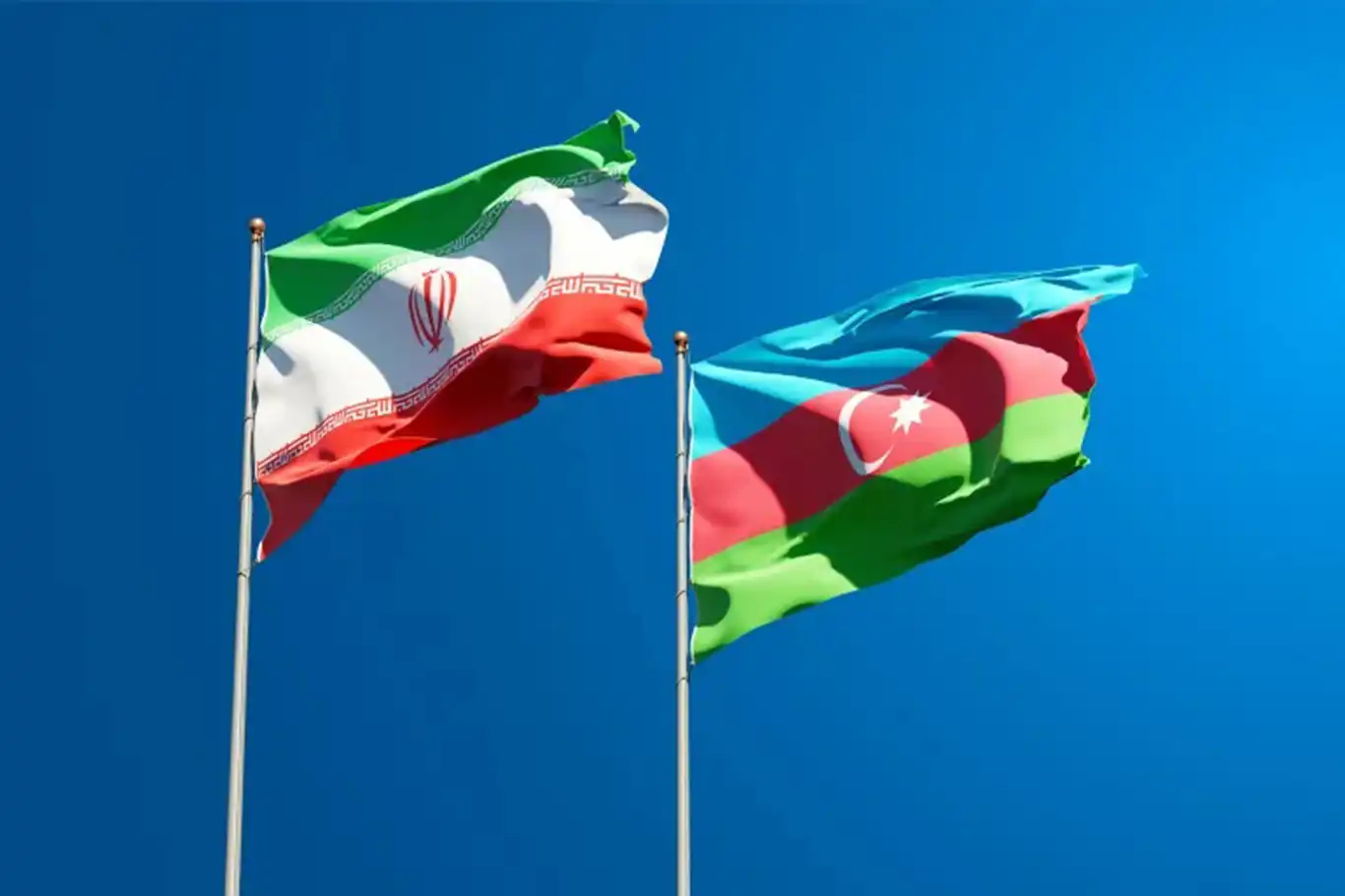
Iran–Azerbaijan ties enter new phase following Araghchi’s visit to Baku
 13 oC
13 oC 
Güneşli

Relations between Iran and Azerbaijan are entering a new phase of transformation following a high-profile visit by Iran’s foreign minister, Abbas Araghchi.
During his visit to Baku, Araghchi was warmly received by senior Azerbaijani officials, holding a series of high-level meetings with President Ilham Aliyev, Speaker of the National Assembly Sahiba Gafarova, Deputy Prime Minister Shahin Mustafayev, and Foreign Minister Jeyhun Bayramov. He also met with the chairman of the Joint Economic Commission, with discussions centered on advancing shared strategic objectives.
The visit came shortly after Iranian President Masoud Pezeshkian traveled to Baku, and followed earlier talks in Tehran with Shahin Mustafayev, signaling reciprocal political will in both capitals to deepen bilateral relations.
Officials from both sides emphasized the importance of good neighborly relations between the two countries, which share long borders and deep historical and cultural ties. Diplomats highlighted that expanding joint economic cooperation could contribute to greater regional peace and stability, particularly in the Caspian Sea and South Caucasus regions.
Key areas of cooperation discussed included transportation, energy, trade, tourism, banking, and border management, as well as closer coordination to address shared security challenges such as terrorism, transnational organized crime, and drug trafficking.
The talks also focused on several major infrastructure and economic projects, including the construction of the Rasht–Astara railway, development of the Aghband–Kalalah bridge, easing of border and customs procedures for passenger and cargo traffic, expansion of tourism links, and cooperation on exploiting joint oil and gas fields in the Caspian Sea. Reconstruction cooperation in Azerbaijan’s formerly occupied territories was also discussed.
Iranian officials stressed that the country’s 14th government has adopted a pragmatic foreign policy approach, emphasizing the implementation of signed agreements and practical understandings as the foundation for regional diplomacy. Both sides underlined the importance of building mutual trust and creating a legal and institutional framework for long-term, multilateral cooperation.
The visit has raised expectations among the public in both countries, with hopes that the talks will translate into tangible outcomes and a sustainable roadmap for expanded bilateral and regional engagement.
Observers noted that the strengthening of Tehran–Baku relations also comes at a sensitive regional moment, with both sides stressing the need to counter disinformation and external efforts to undermine their cooperation, and to maintain transparent and continuous communication to protect and advance their shared strategic interests. (ILKHA)
LEGAL WARNING: All rights of the published news, photos and videos are reserved by İlke Haber Ajansı Basın Yayın San. Trade A.Ş. Under no circumstances can all or part of the news, photos and videos be used without a written contract or subscription.
Russia’s top military leadership announced on Thursday that its forces have taken full control of the eastern Ukrainian city of Seversk, marking what Moscow calls a new stage in its ongoing offensive.
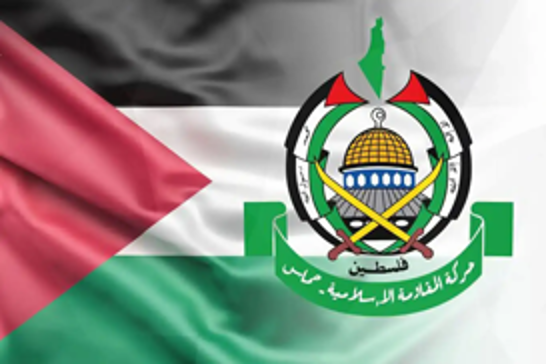
Hamas on Thursday denounced the Bolivian government’s decision to reestablish diplomatic relations with Israel, calling it a “regrettable departure” from the pro-Palestinian stance adopted by the country’s former administration.

Ukraine’s Security Service (SBU) carried out its first-ever drone strike on Russia’s Vladimir Filanovsky offshore oil field in the Caspian Sea, shutting down production at more than 20 wells, an SBU source told the Kyiv Independent on Thursday.

Bulgaria’s Prime Minister Rossen Jeliazkov announced on Thursday that his government would resign, ending its term after less than a year amid mounting public outrage and a looming no-confidence vote in parliament.