Bulgaria’s PM Rossen Jeliazkov resigns after mass anti-corruption protests
 13 oC
13 oC 
Güneşli

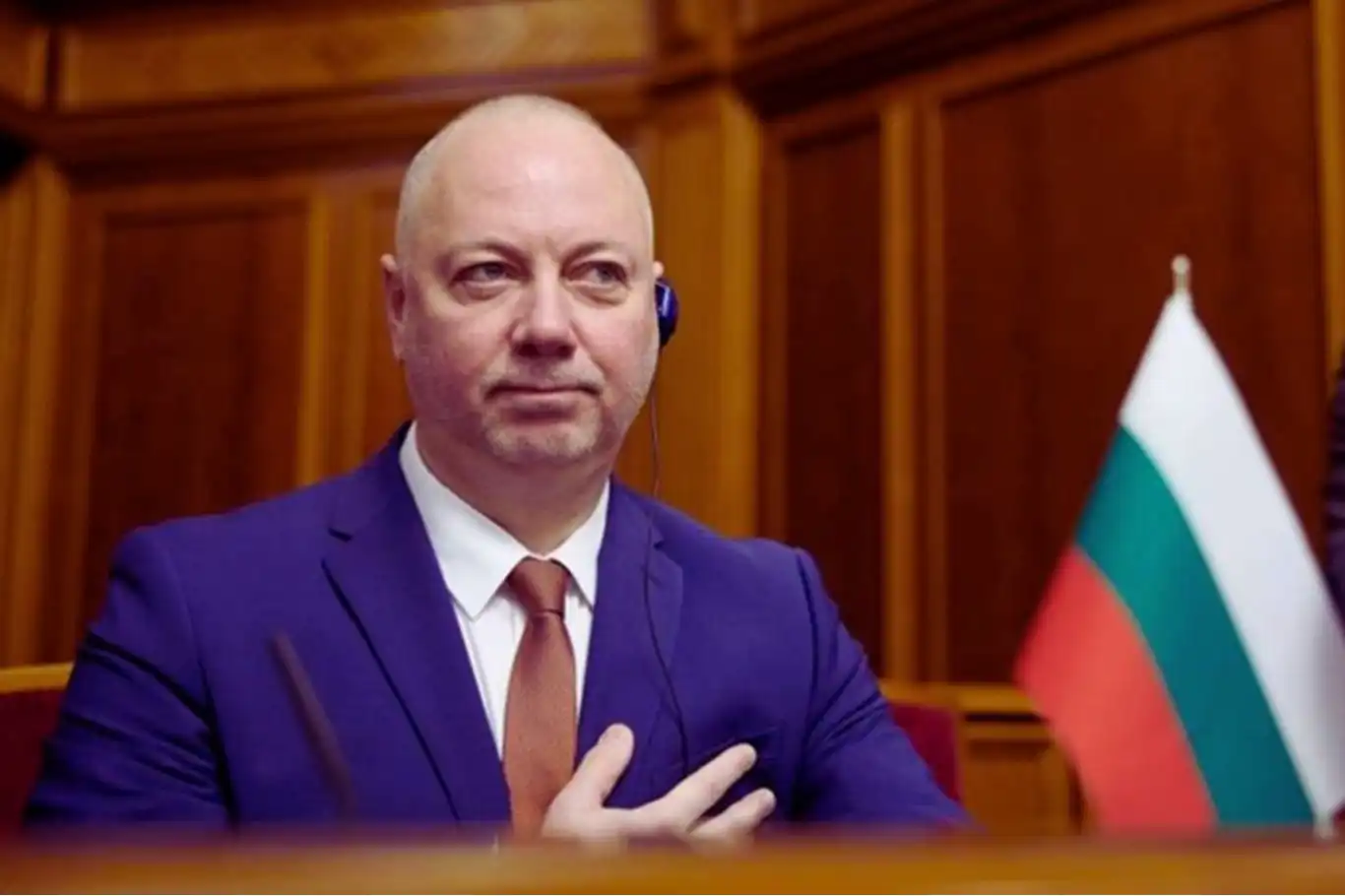
Bulgaria’s Prime Minister Rossen Jeliazkov announced on Thursday that his government would resign, ending its term after less than a year amid mounting public outrage and a looming no-confidence vote in parliament.
The resignation came shortly before lawmakers were scheduled to vote on a no-confidence motion submitted by the opposition, following weeks of national protests against corruption and economic mismanagement.
Tens of thousands of Bulgarians rallied across the country on Wednesday in one of the largest demonstrations since late last month, demanding the government step down. Protesters denounced the 2026 draft budget as a disguise for “rampant corruption,” prompting the government to withdraw the proposal last week. However, public anger continued to grow.
“I hear the voice of the people,” Jeliazkov said after a meeting with leaders of the ruling coalition. “People of all ages, ethnic backgrounds, and religions have spoken out in favour of resignation. This civic energy must be supported and encouraged.”
The political turmoil comes just weeks before Bulgaria is set to join the eurozone on January 1—an accession expected to move forward despite the government’s collapse.
Analysts warn that trust in Bulgarian institutions is near historic lows, with widespread frustration over rising prices, corruption, and deepening political instability.
“Levels of trust in the Bulgarian government and parliament remain close to historic lows, which is yet another indicator of the severe political and institutional crisis the country is facing,” one analyst noted.
President Rumen Radev openly backed the protesters last week, urging the government to resign and call early elections. His support added pressure on Jeliazkov’s fragile coalition, which had struggled to maintain legitimacy since its formation in January.
On Wednesday alone, tens of thousands gathered outside parliament in Sofia, chanting “Resign!” while holding signs reading “I’m fed up!” illustrated with caricatures of political leaders.
Bulgaria consistently ranks among the lowest EU members in Transparency International’s Corruption Perception Index. The country has endured seven snap elections since mass anti-graft demonstrations in 2020 targeting then-prime minister Boyko Borissov.
Borissov’s GERB party ultimately won last year’s election, forming the short-lived coalition government now stepping down.
With the resignation formally announced, Bulgaria moves toward yet another period of uncertainty as political leaders prepare for what could become the nation’s eighth snap election in five years. (ILKHA)
LEGAL WARNING: All rights of the published news, photos and videos are reserved by İlke Haber Ajansı Basın Yayın San. Trade A.Ş. Under no circumstances can all or part of the news, photos and videos be used without a written contract or subscription.
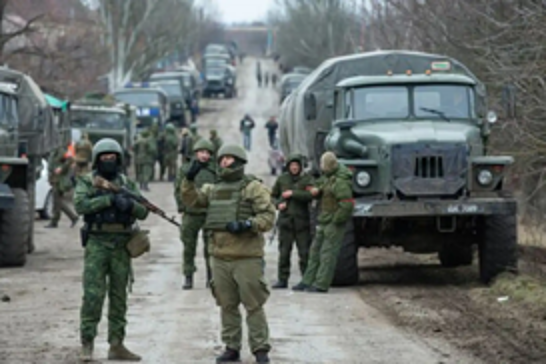
Russia’s top military leadership announced on Thursday that its forces have taken full control of the eastern Ukrainian city of Seversk, marking what Moscow calls a new stage in its ongoing offensive.
Hamas on Thursday denounced the Bolivian government’s decision to reestablish diplomatic relations with Israel, calling it a “regrettable departure” from the pro-Palestinian stance adopted by the country’s former administration.

Ukraine’s Security Service (SBU) carried out its first-ever drone strike on Russia’s Vladimir Filanovsky offshore oil field in the Caspian Sea, shutting down production at more than 20 wells, an SBU source told the Kyiv Independent on Thursday.