Cyberattacks hit Russia and Ukraine emergency alert apps with fake warnings
 13 oC

Güneşli

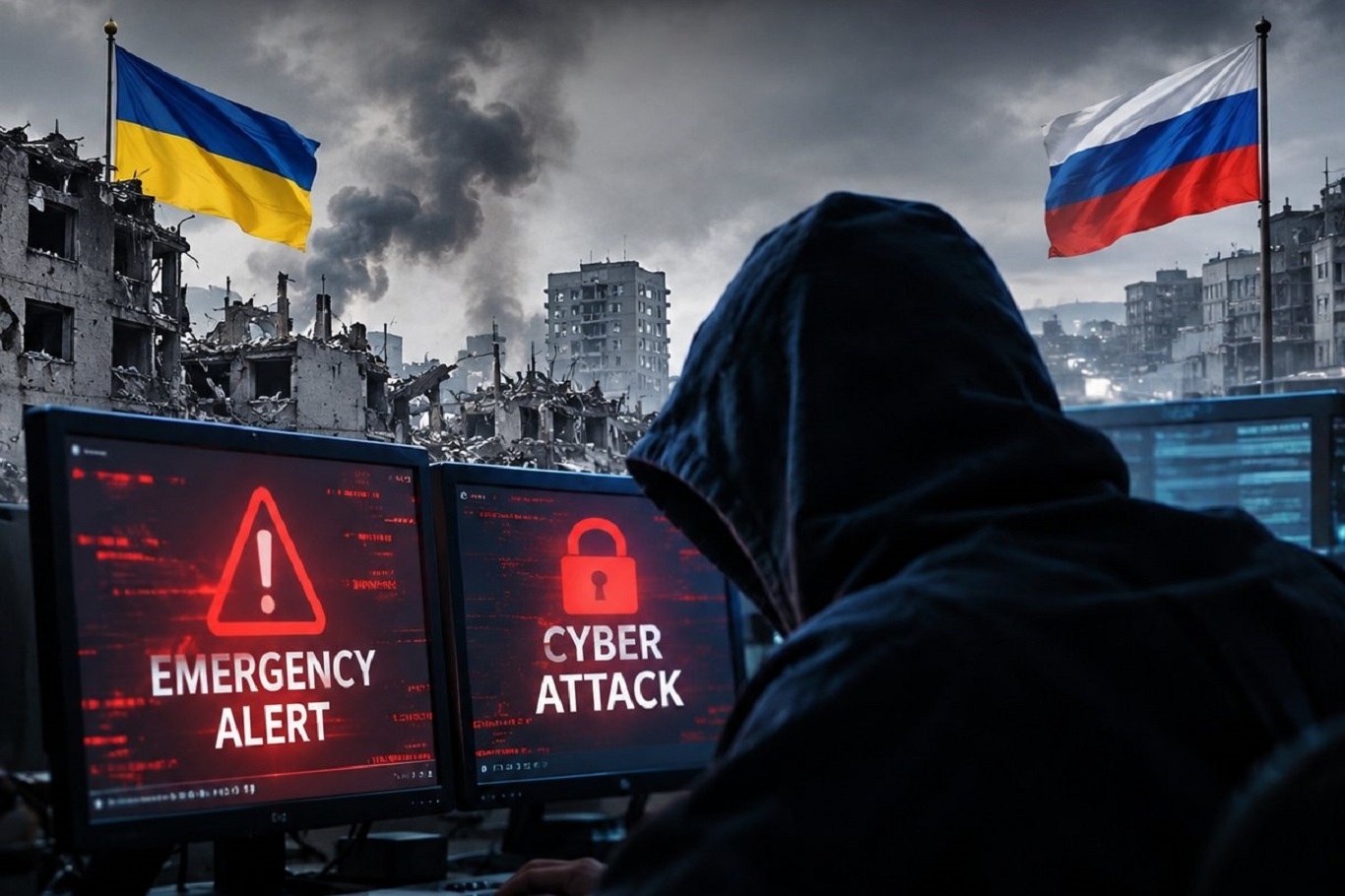
Emergency alert applications used in Russia and Ukraine were targeted by cyberattacks on Sunday night, sending citizens false warnings about air raids, nuclear strikes, radiation threats and chemical attacks.
The incidents affected Ukraine’s widely used Air Alert application and Russia’s emergency warning application, with both countries saying their systems had been compromised. The attacks raised concerns over the use of cyber operations to spread panic and disrupt public warning systems during the ongoing war.
Fake nuclear and chemical warnings sent in Ukraine
Ukraine’s Air Alert application issued the highest-level air raid warning across the country at 22:47 local time.
Some users in the capital Kyiv also received additional notifications claiming there were radiation threats, possible chemical attacks and street fighting.
Messages sent through the application falsely claimed that Kyiv was facing a radiation threat and that chemical attacks and street clashes were taking place. Another message sent in Russian warned of a nationwide nuclear alert and claimed that Russia’s Oreshnik ballistic missile was in the air.
Ukraine’s intelligence authorities said the application experienced a technical problem and urged citizens to verify information about air raid threats through other sources.
The authorities also reported that radiation danger alerts were activated through loudspeaker systems, particularly in the Lviv region, but stressed that there was no actual radiation threat.
The Air Alert application, supported by Ukraine’s Ministry of Digital Transformation, provides users with real-time information about the beginning and end of air raid warnings. The ministry said the security of the application may have been compromised and temporarily disabled the service while maintenance work was carried out.
Ukrainian officials said the false warnings were brought under control within a short period. Cybersecurity experts warned that the incident could represent a new stage of cyber operations linked to the Russia-Ukraine war.
Stanford University senior researcher in cyber policy and security Herbert Lin told the BBC that he believed the incident was the first attack targeting an official Ukrainian public information application and warned that similar incidents could occur again.
Ukrainian Parliament Foreign Affairs Committee Chairman Oleksander Merezhko said the attack did not cause panic or excessive reactions among the public. He noted that Kyiv residents frequently receive air raid warnings and said the use of Russian language in the fake messages also raised suspicions.
Merezhko said cyberattacks had become part of modern warfare and that Ukrainian society was prepared for such developments.
Ukraine’s Centre for Countering Disinformation advised citizens to keep phone notifications active, follow sirens and rely only on official sources if the application becomes unavailable.
Russia also reports cyberattack on emergency app
Several hours after the false warnings appeared in Ukraine, Russia’s Ministry of Emergency Situations announced that its mobile application had also been targeted by a large-scale cyberattack.
The ministry said false information had been sent to citizens as a result of the attack and that efforts were underway to restore normal operation of the application.
According to Ukraine-based UNN news agency, citing a statement from the pro-Ukrainian partisan group Atesh, Russian users received fake notifications claiming that the country faced a nuclear attack.
A screenshot shared by Atesh on Telegram showed a false message claiming that Ukrainian drones carrying nuclear warheads had been launched toward all regions of Russia. The message urged citizens to prepare a three-week food supply and seek shelter.
The Russian Ministry of Emergency Situations said the attack did not affect the country’s general warning system. The ministry stated that citizens continued to receive information through sirens, loudspeakers, text messages, television and radio broadcasts, adding that the mobile application was only an additional information channel.
Fake alerts sent before local ceasefire ended
The false warnings were issued shortly before the end of a local ceasefire in Ukraine’s Kherson region.
The ceasefire, which came into effect last Tuesday and ended at 23:00 local time on Sunday, was implemented to allow civilians to be evacuated from the Russian-controlled city of Oleshky. Fighting continued in other parts of Ukraine during the ceasefire period.
The simultaneous targeting of emergency alert systems in Russia and Ukraine highlighted the growing role of cyber operations and information warfare during the conflict. However, neither side provided definitive evidence identifying the perpetrators of the attacks.(ILKHA)
LEGAL WARNING: All rights of the published news, photos and videos are reserved by İlke Haber Ajansı Basın Yayın San. Trade A.Ş. Under no circumstances can all or part of the news, photos and videos be used without a written contract or subscription.

Belgian Prime Minister Bart De Wever has decided to resign from his post after his five-party coalition government failed to reach an agreement on closing a €10 billion budget gap. King Philippe is currently considering De Wever’s resignation offer.

The number of Palestinians martyred in Gaza has continued to rise as the occupation regime’s attacks and violations persist, with 15 people killed and 38 others injured over the past 48 hours, according to the Gaza Strip Ministry of Health.

Turkish President Recep Tayyip Erdoğan has called for stronger political and economic ties with South Korea, setting a $15 billion bilateral trade target and identifying defence, nuclear energy, artificial intelligence and renewable energy as key areas for cooperation.