Australia reports major H5 bird flu escalation after mass seabird deaths
 13 oC
13 oC 
Güneşli

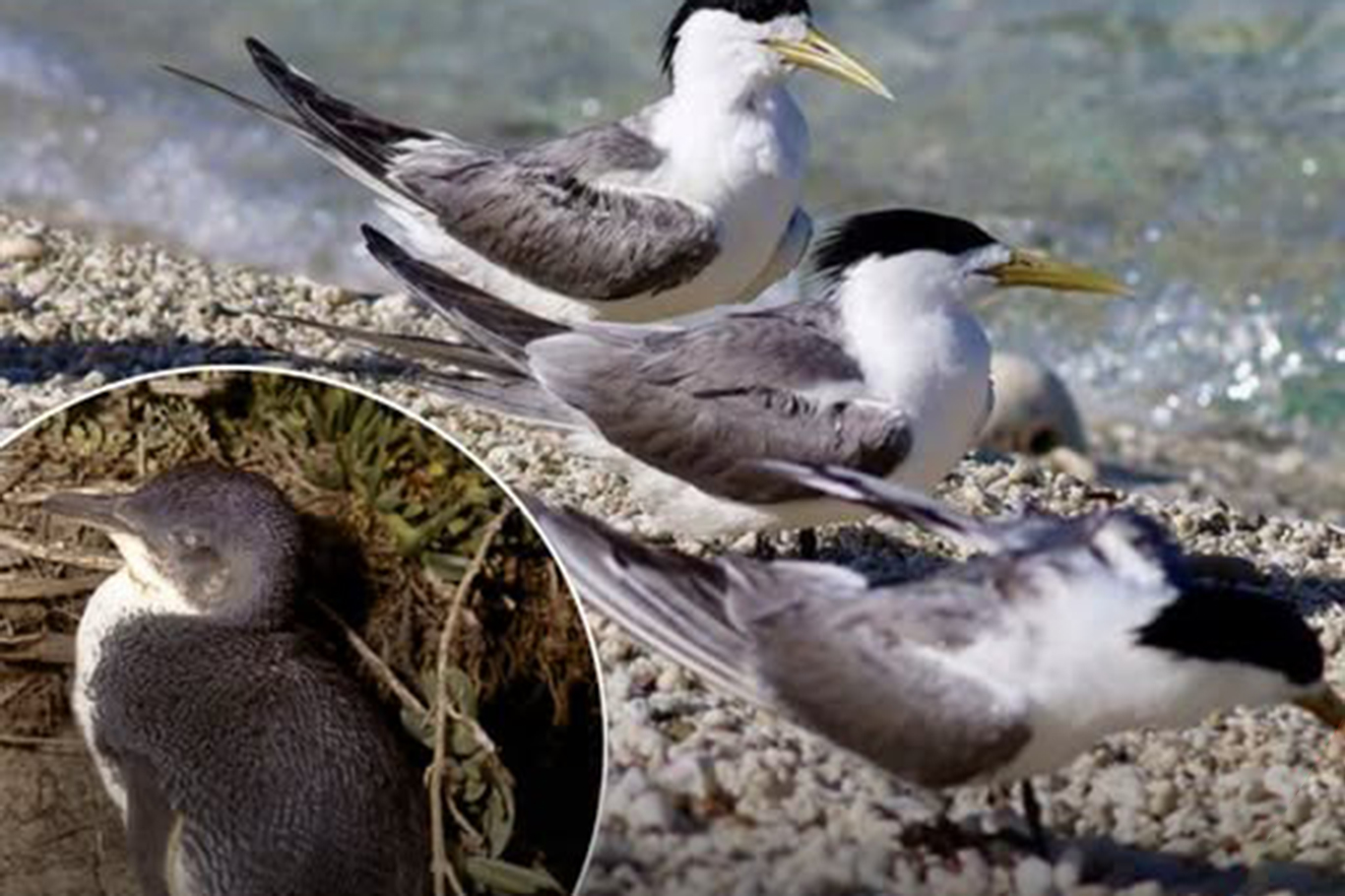
Australia is facing a significant escalation in the spread of H5 bird flu among wild birds, with more than 1,000 greater crested terns found dead in three mass mortality events in South Australia.
South Australian Premier Peter Malinauskas told the state parliament on Thursday that authorities had detected the three mass die-offs during aerial surveillance and that H5 bird flu was presumed to be responsible for the deaths.
The dead birds were found on Troubridge Island off the Yorke Peninsula and on North Page and South Page islands off Kangaroo Island. All three locations are offshore islands where H5 bird flu has been detected in recent weeks.
Malinauskas described the development as a “significant escalation” of the outbreak and said authorities were particularly concerned about its impact on vulnerable native wildlife.
A suspected case involving a little penguin found on Kangaroo Island is also being investigated. The species is considered particularly vulnerable because of its concentration in coastal colonies and close contact with marine environments affected by infected seabirds.
The outbreak is no longer confined to South Australia. Tasmania is investigating the deaths of 28 little penguins on King Island, along with three dead greater crested terns. Samples have been sent for laboratory testing to determine whether H5 bird flu caused the deaths. Tasmania has already recorded confirmed H5 detections among wild birds.
New South Wales has also reported H5 detections involving seabirds, including greater crested terns and a giant petrel, highlighting the expanding geographic range of the virus among Australia's wildlife.
South Australia has emerged as the country's most heavily affected state. The virus was first confirmed there on June 24 in a giant petrel on the Fleurieu Peninsula. Since then, H5 has been detected in a growing range of wild bird species and locations.
Earlier in the outbreak, genetic testing confirmed local transmission among greater crested terns in South Australia, providing evidence that the virus was spreading within resident Australian wild-bird populations rather than being limited to migratory birds.
South Australian authorities have increased aerial surveillance and deployed field teams to monitor affected islands and investigate additional wildlife deaths. The state's reporting system was also changed this week to focus on outbreaks or “events” rather than individual infected birds, allowing authorities to better track the geographical spread and scale of mortality.
Authorities are considering targeted vaccination for captive and particularly vulnerable native species, including little penguins and orange-bellied parrots. However, experts say vaccinating wild bird populations on a broad scale is not considered feasible.
Despite the growing wildlife impact, authorities say there have so far been no confirmed H5 bird flu detections in Australia's poultry or livestock, according to South Australia's environment department.
Australian health authorities continue to assess the risk to the general public as low. Nevertheless, officials are urging people not to touch sick or dead birds or other wildlife because of the potential risk of infection and the possibility of spreading the virus.
Members of the public have been advised to record sightings of dead or sick wildlife and report them to authorities rather than handling the animals themselves.
The latest mass deaths represent a major development in Australia's H5 bird flu outbreak, which authorities had warned could cause further losses among native wildlife. The focus is now on determining how extensively the virus has spread, protecting vulnerable species and preventing its entry into Australia's large commercial poultry sector. (ILKHA)
LEGAL WARNING: All rights of the published news, photos and videos are reserved by İlke Haber Ajansı Basın Yayın San. Trade A.Ş. Under no circumstances can all or part of the news, photos and videos be used without a written contract or subscription.

Cameroon President Paul Biya returned home on Thursday after more than 10 weeks abroad, ending the longest recorded absence from the country since he took power more than four decades ago.

The U.S. State Department has approved a possible $4.5 billion Foreign Military Sale to Qatar that includes four Boeing KC-46A Pegasus aerial refueling aircraft and related equipment, following notification to Congress.
The Ebola outbreak in the Democratic Republic of the Congo (DRC) has surpassed 5,000 confirmed cases, with health authorities warning that the epidemic continues to spread rapidly in remote and conflict-affected regions.