At least 100 dead after mass migrant crossings Into Spain's Ceuta enclave
 13 oC
13 oC 
Güneşli

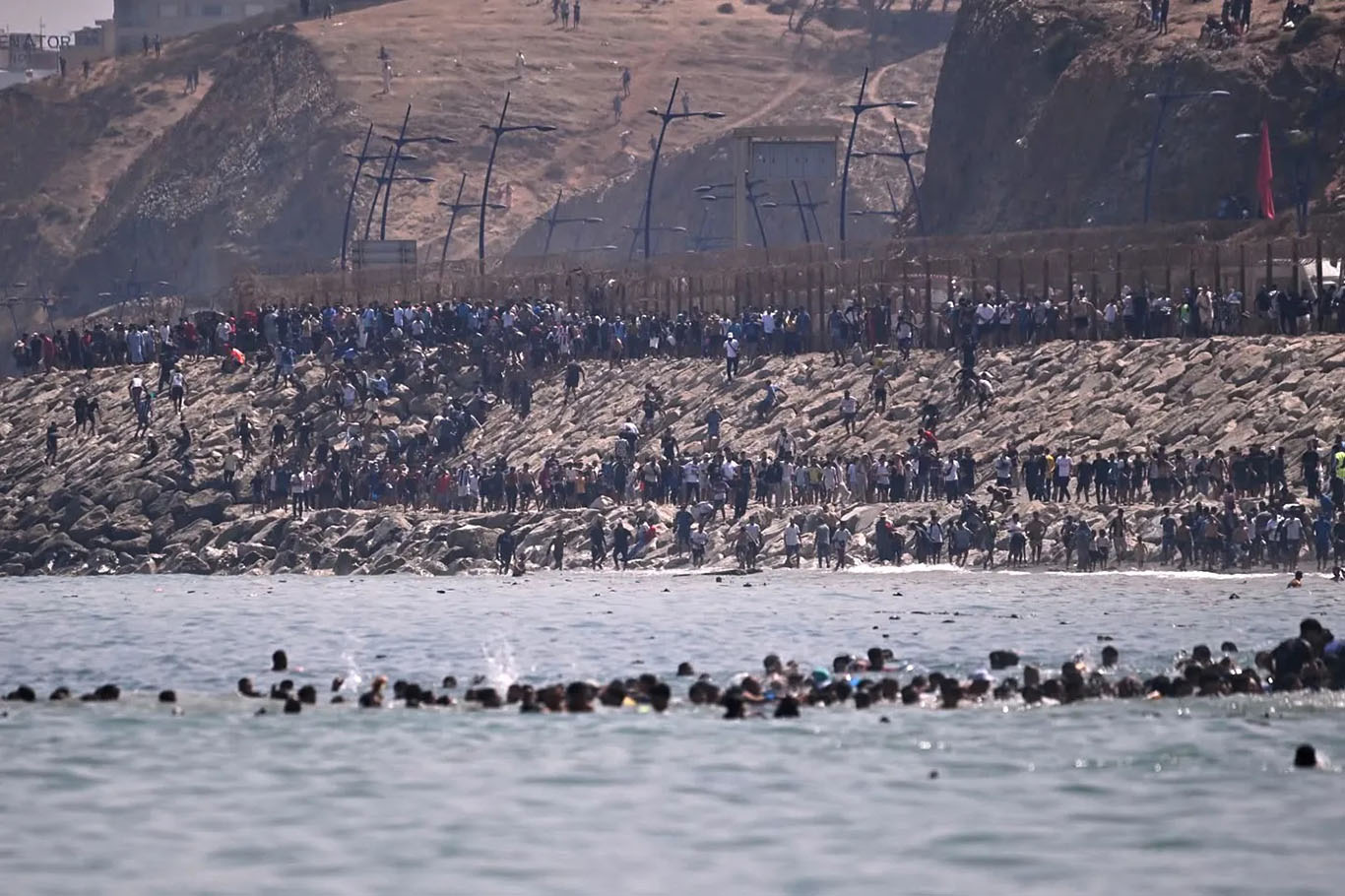
At least 100 people died during last week's mass migrant crossings from Morocco into Spain's North African enclave of Ceuta, according to the head of the enclave's local government.
Ceuta's regional president, Juan Jesus Vivas, revealed the death toll on Thursday while addressing the European Parliament's Committee on Civil Liberties, Justice and Home Affairs in Brussels.
Vivas said between 3,000 and 5,000 migrants remain in Ceuta following the unprecedented crossings, which have left local authorities struggling to provide shelter, food and basic services.
According to Spanish authorities, approximately 72,000 migrants entered Ceuta by swimming or crossing on foot from neighboring Morocco over two days last week, marking one of the largest movements of migrants into the European Union in recent years.
Describing the situation as an unprecedented challenge, Vivas said the number of arrivals was roughly equivalent to the enclave's entire population of more than 80,000 residents.
"The city faced a humanitarian emergency of enormous proportions, compounded by disturbances to public order and a serious risk to public safety," he told lawmakers.
He added that Ceuta's reception facilities for both adults and unaccompanied minors had been overwhelmed by the influx and that authorities have been unable to determine the exact number of migrants still present because of the scale of the crisis.
Vivas also criticized Spain's central government, saying local officials had warned Madrid about a growing risk of mass crossings before the surge but received insufficient support.
He further accused Moroccan authorities of refusing to cooperate with Ceuta's administration during the emergency.
Morocco has rejected claims that it facilitated or encouraged the crossings. Rabat has argued that Spain should have anticipated an increase in migration following a recent court ruling limiting the immediate return of migrants who reach Ceuta by swimming without crossing a physical land border.
Speaking at the same hearing, European Union Commissioner for Migration Magnus Brunner said Spanish authorities had assured Brussels that the situation would not affect the functioning of the Schengen Area, Europe's passport-free travel zone.
However, Brunner warned that the crisis had exposed broader vulnerabilities in the European Union's external border management.
"As long as control depends on the goodwill of one neighbouring state, we remain vulnerable," he said, calling for stronger and more resilient border management mechanisms.
The humanitarian situation in Ceuta remains challenging as aid organizations continue to provide emergency assistance to thousands of migrants awaiting processing. Spanish authorities have expanded temporary shelters and increased humanitarian support, while security forces continue to patrol the enclave to maintain public order.
The migration surge has reignited political debate across Spain and the European Union over migration policy, border security and cooperation with neighboring countries in managing irregular migration.
Spanish officials have continued discussions with Moroccan authorities in an effort to strengthen coordination and prevent further large-scale crossings, while European institutions are monitoring developments closely amid concerns that similar migration flows could recur in the coming months. (ILKHA)
LEGAL WARNING: All rights of the published news, photos and videos are reserved by İlke Haber Ajansı Basın Yayın San. Trade A.Ş. Under no circumstances can all or part of the news, photos and videos be used without a written contract or subscription.
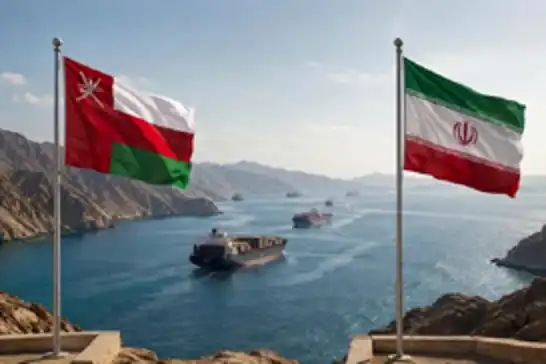
Iran has announced that the general framework for a new agreement with Oman has largely been finalized, with the final text and additional details expected to be released following approval by senior officials.
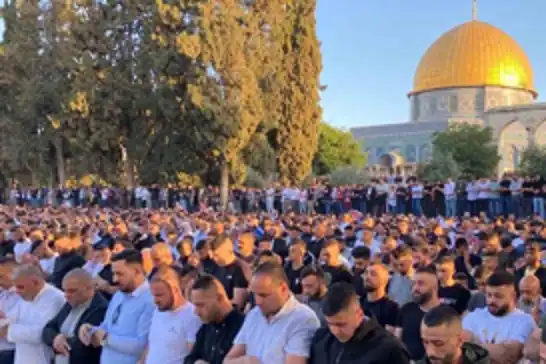
Tens of thousands of Palestinians were able to perform the Friday prayer at the Al-Aqsa Mosque in Occupied Jerusalem on Friday, despite Israeli security measures that restricted access to the holy site.
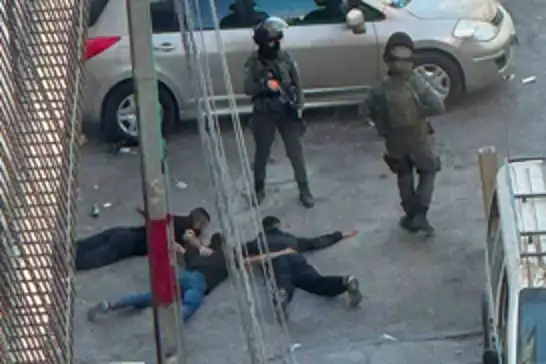
Israeli occupation forces, backed by armed illegal Israeli settlers, launched widespread raids across the occupied West Bank and occupied Jerusalem overnight into Friday, demolishing Palestinian homes, carrying out mass arrests and injuring dozens of civilians.