UK researchers develop robot dog system to boost early wildfire detection
 13 oC
13 oC 
Güneşli

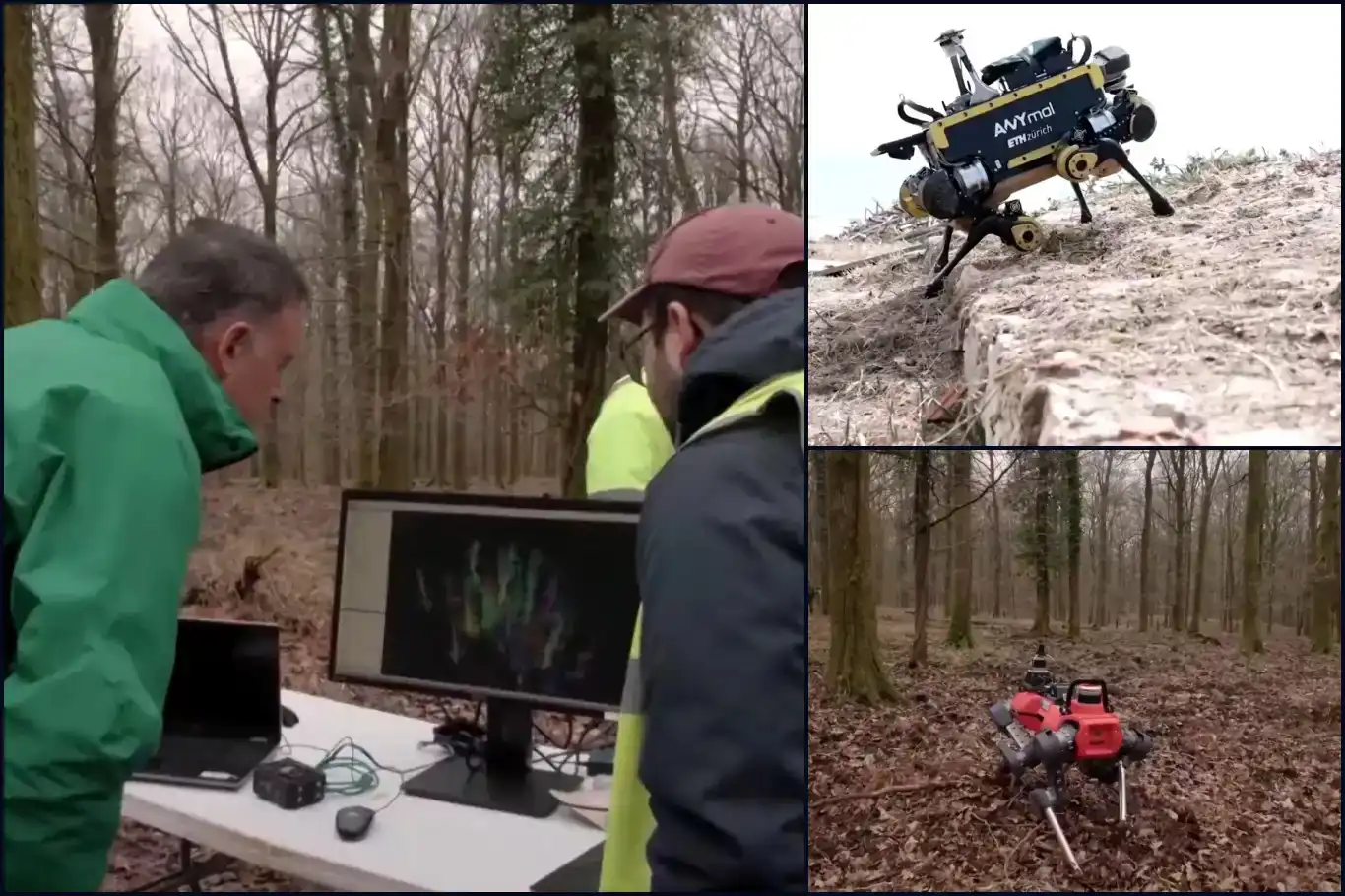
Researchers at the University of Bradford in the United Kingdom are developing an advanced system that uses robot dogs to improve artificial intelligence–driven early wildfire detection.
The initiative aims to merge data gathered by the four-legged robotic units with drone surveillance and future 6G connectivity to identify early signs of smoke and provide immediate alerts to emergency services.
The project will undergo pilot testing in Greece next year and is part of the EU-funded 6G-VERSUS research program.
Dr. Kamran Mahroof, a member of the research team, said the effort comes as wildfire incidents rise sharply worldwide, with fires growing more frequent and severe. “We are proud to be at the forefront of research addressing this critical global issue,” he noted.
The initiative recently secured support through the European Union’s Horizon Innovation Action program and was showcased at an event in Birmingham focused on the role of artificial intelligence in addressing global crises.
West Yorkshire has seen several significant fires in recent years, including in Marsden Moor and Ilkley Moor. The West Yorkshire Fire and Rescue Service (WYFRS) said it had not yet been informed about the robot dog technology but expressed openness to engaging with the Bradford researchers.
A WYFRS spokesperson said that although the service does not currently use AI in operations, drones with thermal and optical cameras play a key role in monitoring wildfire conditions, allowing commanders to track fire spread and identify hotspots. The service also relies on mapping tools and weather-forecasting applications to anticipate fire behavior and has recently introduced lightweight protective gear for extended field operations.
Dr. Mahroof said the project’s primary goal is to enable the earliest possible detection of wildfires. “By using next-generation technologies such as 6G, drones, and even robot dogs, we aim to identify high-risk areas and mitigate dangers as quickly as possible,” he added. (ILKHA)
LEGAL WARNING: All rights of the published news, photos and videos are reserved by İlke Haber Ajansı Basın Yayın San. Trade A.Ş. Under no circumstances can all or part of the news, photos and videos be used without a written contract or subscription.

The European Commission has imposed a €120 million fine on X (formerly Twitter) for multiple violations of the Digital Services Act (DSA), marking the first non-compliance decision issued under the landmark EU regulation.

People implanted with Elon Musk’s Neuralink brain chip can now operate robotic arms through thought alone, marking a new stage in the company’s brain–computer interface (BCI) trials as capabilities expand beyond controlling digital devices.
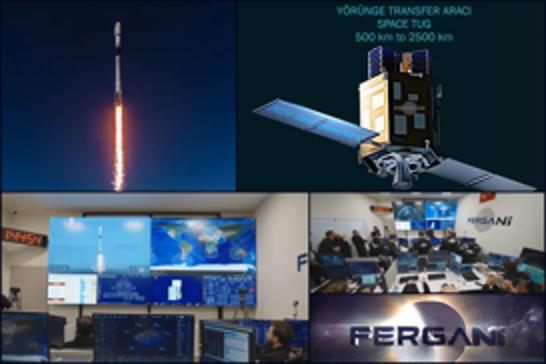
Türkiye has officially entered a new era in space technology with the successful deployment of FGN-TUG-S01, the country’s first orbital transfer vehicle (OTV), developed entirely with national resources by the Ankara-based aerospace company Fergani Space.