Türkiye’s National Security Council convenes under Erdoğan's chairmanship in Ankara
 13 oC
13 oC 
Güneşli

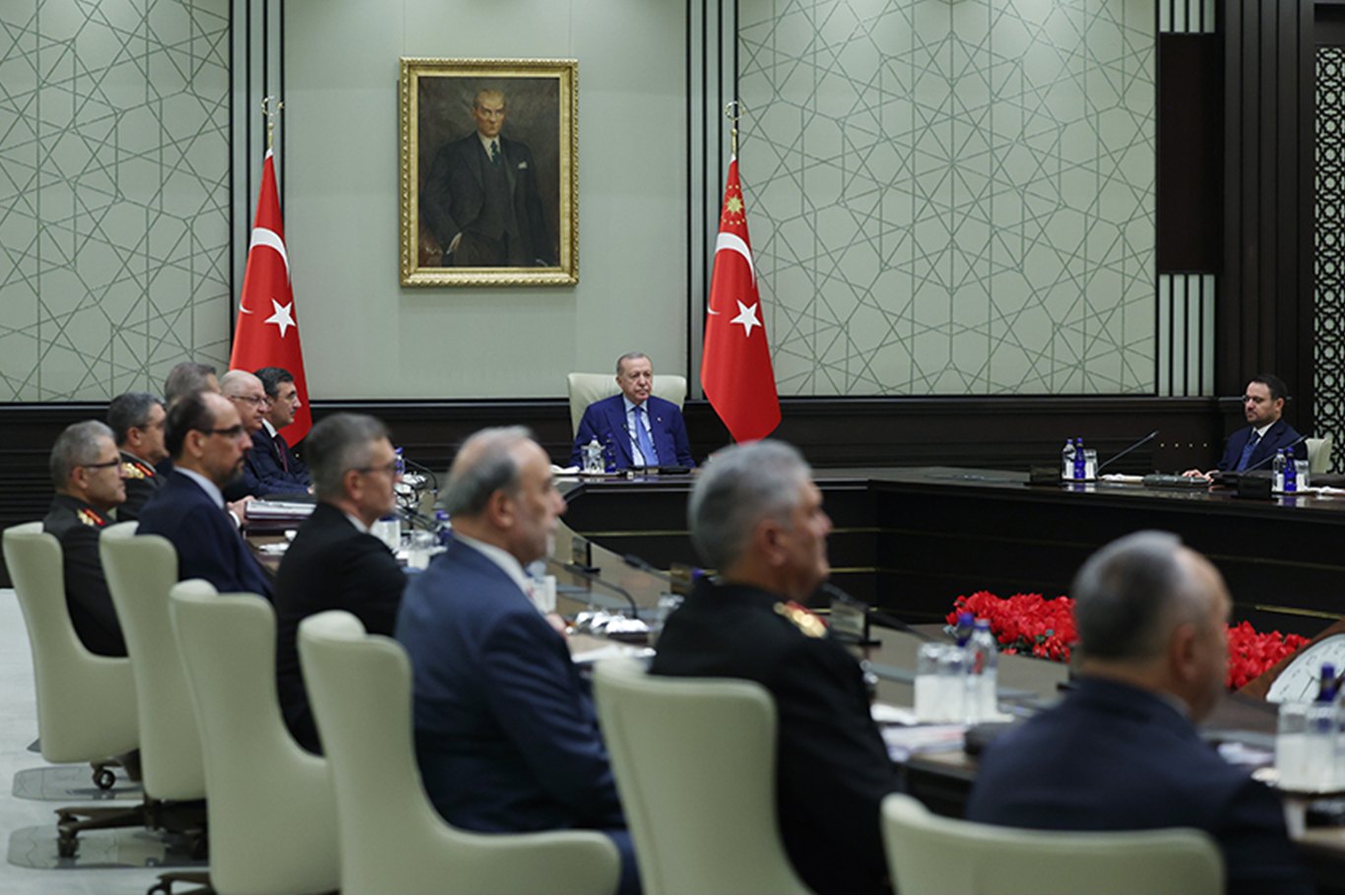
Türkiye’s National Security Council (NSC) convened Wednesday under the chairmanship of President Recep Tayyip Erdoğan at the Presidential Complex in Ankara, with the “Terror-Free Türkiye” process and a broad range of regional and international security developments on the agenda.
The meeting began at 5:20 p.m., according to the Turkish Directorate of Communications. The council reviewed developments concerning Türkiye’s national security as well as conflicts and security risks in its immediate neighborhood.
A central issue was the progress of the “Terror-Free Türkiye” process and efforts to establish a “Terror-Free Region.” The council was expected to assess the latest developments in the process, including security-related steps in Türkiye and neighboring Iraq and Syria.
Developments in Iraq and Syria were also high on the agenda. The discussions focused on security conditions in the two neighboring countries and their implications for Türkiye, particularly in the context of Ankara’s objective of preventing terrorist groups from maintaining structures that could threaten regional security.
The council also reviewed the Russia-Ukraine war and its implications for the Black Sea, an issue of particular importance to Türkiye because of the security of maritime routes and the wider stability of the region. Türkiye has repeatedly called for efforts to prevent the conflict from creating additional risks in the Black Sea.
The situation in Gaza was another major foreign-policy and security issue. The council discussed the continuing conflict and the humanitarian situation in the Palestinian territory, while Türkiye has continued to call for an end to the violence and greater international action to address the humanitarian crisis.
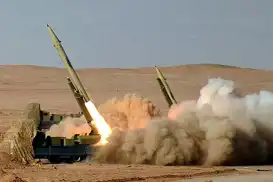
Developments in Yemen were also reviewed amid heightened regional security concerns. Recent attacks involving Yemen's Houthi movement and their implications for the security of neighboring countries, maritime traffic and the wider Red Sea region have increased attention on Yemen in Türkiye's regional security assessments. Türkiye's Foreign Ministry has issued several statements in September concerning Houthi attacks targeting Saudi Arabia.
The council also considered developments involving Iran and the United States, as well as their broader implications for regional stability and security. These developments are particularly significant for Türkiye because of their potential effects on neighboring countries, energy security and major maritime routes.
The Eastern Mediterranean, Aegean and Black Sea were also among the wider regional security issues associated with the meeting's agenda, alongside measures concerning Türkiye's economic security. Turkish media reported that the council was expected to address developments in these areas before the meeting.
The meeting comes at a time of heightened security concerns across Türkiye's wider neighborhood, including continuing conflicts in the Middle East, the Russia-Ukraine war and tensions affecting major regional transportation and energy routes.
The NSC is Türkiye's principal body for evaluating domestic, regional and international developments from a national security perspective. Its meetings bring together senior civilian and military officials to assess security threats and formulate recommendations concerning national security policy.
The detailed conclusions of the Sept. 30 meeting are expected to provide further information on the council's assessments and Türkiye's approach to the various security issues discussed. (ILKHA)
LEGAL WARNING: All rights of the published news, photos and videos are reserved by İlke Haber Ajansı Basın Yayın San. Trade A.Ş. Under no circumstances can all or part of the news, photos and videos be used without a written contract or subscription.
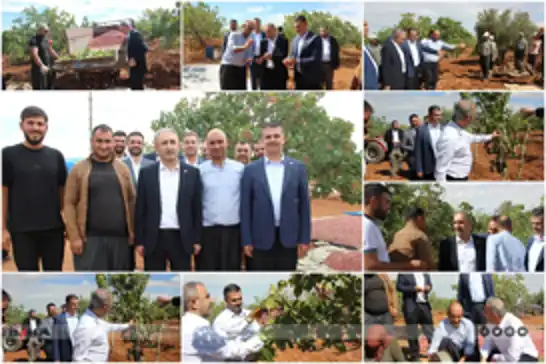
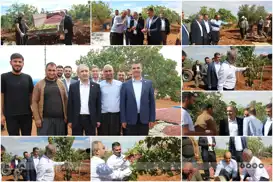
Rising labour, fuel and pesticide costs are squeezing pistachio farmers in southeastern Türkiye, a lawmaker from the HÜDA PAR party said during a visit to growers in Gaziantep province, calling for measures to reduce production costs and curb the role of intermediaries.
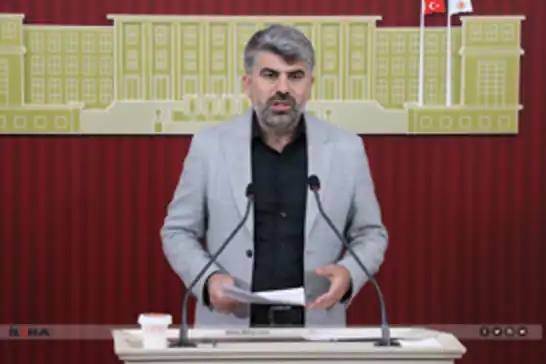
HÜDA PAR lawmaker Faruk Dinç called on Turkish authorities on Tuesday to strengthen measures against violence affecting children and young people, including bullying in schools and harmful content on social media.

A senior official from HÜDA PAR party has criticized Azerbaijan over reported restrictions affecting headscarved students, saying regulations on dress should not be used to deny young women access to education.