Ankara says Greece’s new energy framework in Aegean Sea has no legal consequences for Türkiye
 13 oC
13 oC 
Güneşli

Türkiye has rejected a new Greek spatial planning framework for renewable energy sources that extends into the Aegean Sea, saying the initiative will have no legal consequences for Ankara's position on longstanding maritime disputes between the two countries.
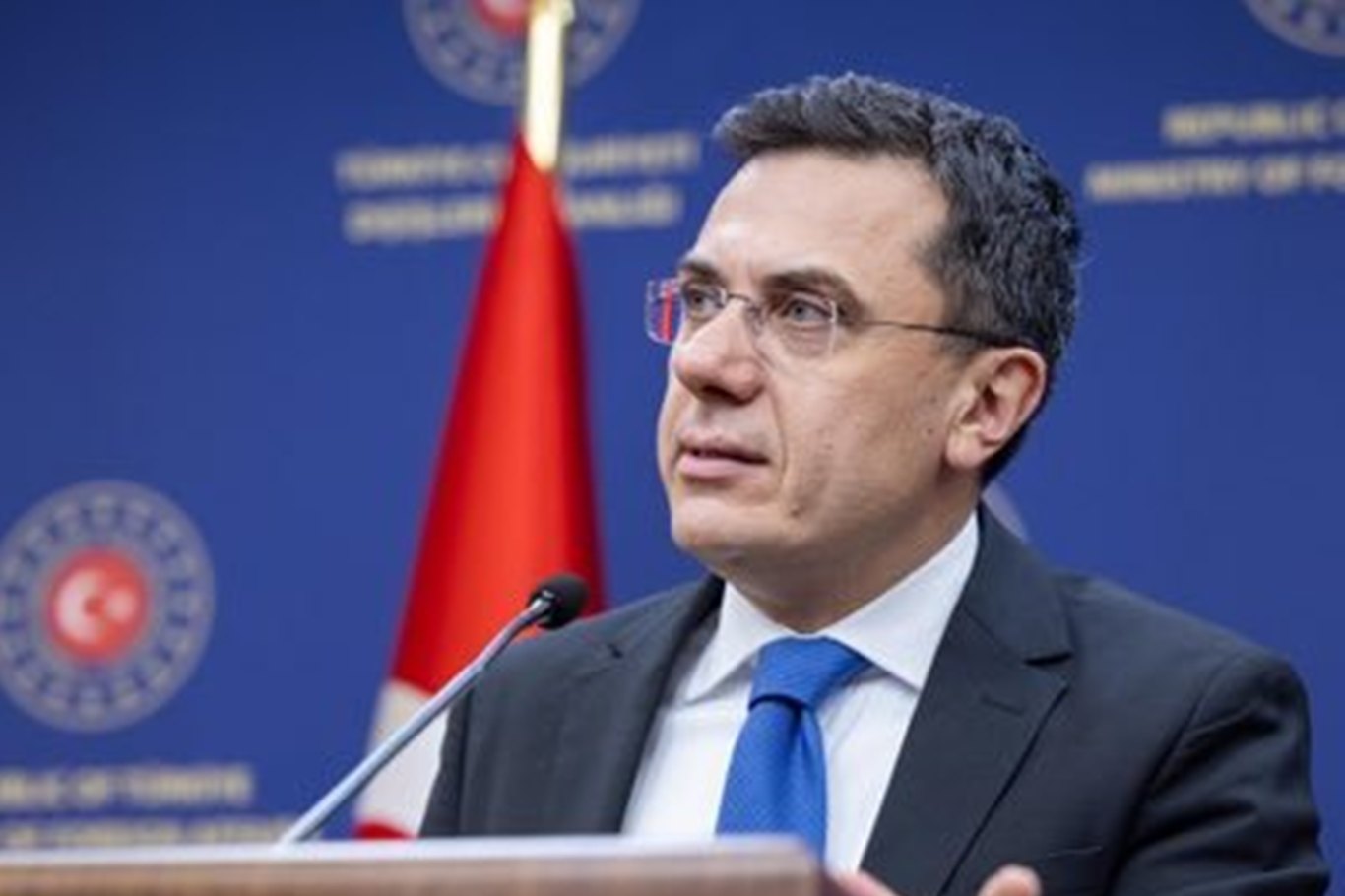
Turkish Foreign Ministry spokesman Öncü Keçeli made the remarks on Wednesday in response to a question about the special spatial framework declared by Greece.
Keçeli said the framework, like similar initiatives previously introduced by Athens, would not alter Türkiye's legal position on interconnected Aegean issues, including areas whose sovereignty, Ankara maintains, was not ceded to Greece through international treaties.
“The Special Spatial Framework for Renewable Energy Sources declared by Greece today, also encompassing the Aegean Sea, will not entail any legal consequences for Türkiye,” Keçeli said.
He stressed that Greece's latest initiative would not affect Ankara's position on questions concerning the Aegean Sea.
“As we emphasized on various occasions, this and similar initiatives will not affect Türkiye's legal position on Aegean issues,” he said.
Türkiye reiterated its call for Greece to avoid unilateral steps in the Aegean and Mediterranean, describing both as closed or semi-enclosed seas where cooperation between neighboring coastal states is encouraged under international maritime law.
“We reiterate that unilateral actions should be avoided in closed or semi-enclosed seas such as the Aegean and the Mediterranean, and that international maritime law encourages cooperation between coastal states in such seas,” Keçeli said.
Ankara also reaffirmed its willingness to cooperate with Athens despite persistent disagreements over maritime boundaries and other issues in the Aegean.
“Türkiye, as one of the two coastal states of the Aegean Sea, remains ready to cooperate with Greece,” the spokesman said.
Keçeli said Ankara's approach remained consistent with the Athens Declaration on Friendly Relations and Good Neighborliness, signed by Türkiye and Greece on Dec. 7, 2023.
Under that framework, Türkiye supports addressing bilateral disputes through what it described as a sincere and comprehensive approach based on international law, equity and good neighborliness.
“Türkiye maintains its position that a sincere and comprehensive approach should be adopted to resolve issues on the basis of international law, equity and good neighborliness,” Keçeli said.
The latest exchange comes against the backdrop of longstanding disagreements between Türkiye and Greece over maritime boundaries, territorial questions and energy activities in the Aegean and eastern Mediterranean.
Ankara's statement makes clear that Greece's renewable energy planning will not be accepted by Türkiye as establishing or altering any legal claims concerning disputed areas in the Aegean. (ILKHA)
LEGAL WARNING: All rights of the published news, photos and videos are reserved by İlke Haber Ajansı Basın Yayın San. Trade A.Ş. Under no circumstances can all or part of the news, photos and videos be used without a written contract or subscription.
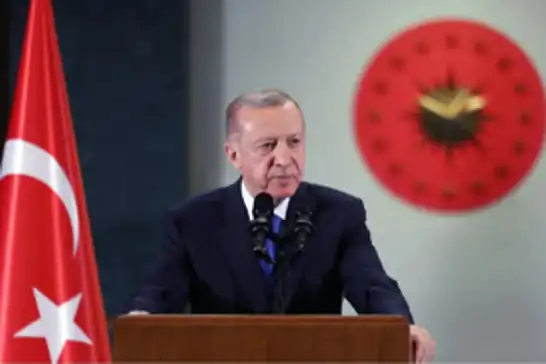
Turkish President Recep Tayyip Erdoğan said Türkiye will continue providing humanitarian assistance wherever it is needed, reaffirming the country's commitment to supporting vulnerable communities around the world in a message marking World Humanitarian Day.

HÜDA PAR Gaziantep MP Şahzade Demir has stressed the importance of raising children with strong spiritual values, particularly a close connection to the Holy Quran, during the closing ceremony of summer schools organized by Şahinbey Municipality.
Türkiye's Council of Higher Education has received 3,373 proposals from universities ahead of the 31st United Nations Climate Change Conference (COP31), which Türkiye is set to host in Antalya, Council President Erol Özvar announced.