HÜDA PAR urges end to indirect tax burden on low-income citizens
 13 oC
13 oC 
Güneşli

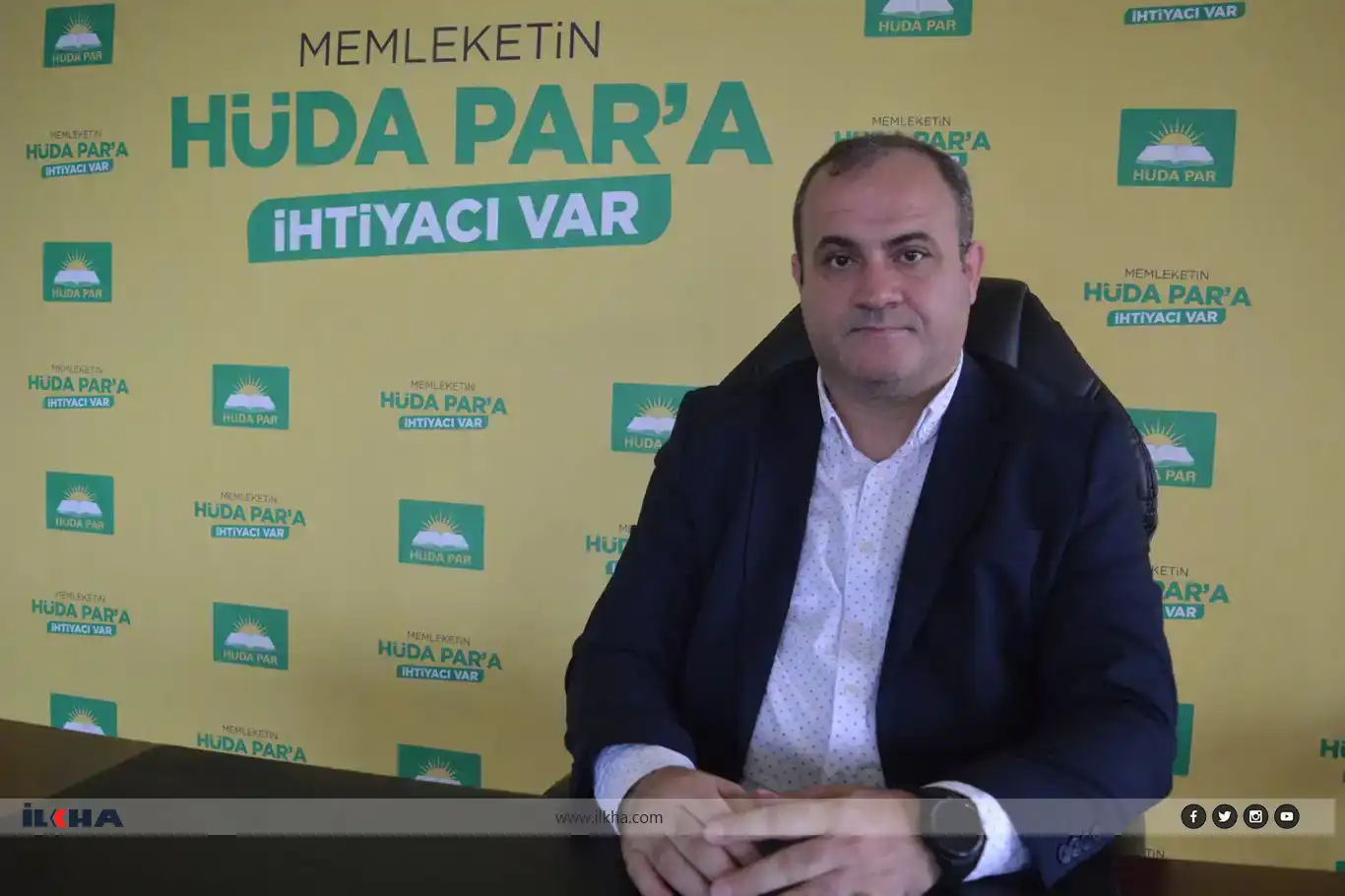
HÜDA PAR Deputy Chairman for Economic Affairs, Mehmet Şah Gültekin, has raised alarm over Türkiye’s deepening budget deficit and called for a fundamental shift toward a production-based and people-centered economic model.
Speaking at a press briefing evaluating the central government’s fiscal performance for the first four months of 2025, Gültekin outlined a range of policy recommendations aimed at achieving economic justice and sustainability.
Budget Deficit Hits 885.5 Billion TL in First Four Months
Gültekin highlighted that the central government budget deficit had reached 885.5 billion TL, representing approximately 45% of the government’s year-end target, signaling a strong likelihood that 2025’s fiscal goals will be surpassed. “It is already clear that the budget targets set for the end of the year will be exceeded,” he stated, underlining a deteriorating fiscal outlook.
Interest Payments a Major Drain on National Resources
A key factor behind the ballooning deficit, according to Gültekin, is the near-doubling of interest payments. “Interest expenditures have surged by 99% in just four months,” he said, describing the current economic management approach as unsustainable due to its dependence on high-interest borrowing. He also pointed to the impact of currency fluctuations in worsening the debt burden.
Inefficiencies in Budget Spending Persist
While non-interest expenditures increased by a relatively moderate 38%, Gültekin noted that current transfers still make up more than 37% of the total budget. “This shows that a significant portion of government spending remains disconnected from productive sectors like employment and industry,” he warned.
Heavy Reliance on Indirect Taxes Criticized
Gültekin expressed concern over the continued heavy reliance on indirect taxes, which account for 70% of all budget revenues. “The increase in revenue is largely driven by consumption taxes, not economic growth or productivity,” he said. “This creates a disproportionate burden on low and fixed-income citizens, moving the system further away from tax fairness.”
Corporate Tax Revenues Lag Behind Expectations
Despite soaring inflation and widespread cost increases, corporate tax revenues rose by just 11%, which Gültekin attributed to both inflation accounting practices and a general economic slowdown. “This decline in corporate tax effectiveness while placing a heavier tax burden on consumers reflects growing inequality in income distribution,” he asserted.
HÜDA PAR’s Policy Proposals: Toward a Fairer, Productive Economy
Gültekin outlined a vision for economic transformation, proposing key reforms to create a fairer and more productive economy. He called for ending reliance on interest-based economic management, restructuring non-interest expenditures to prioritize production, employment, and social justice, and reducing indirect taxes while shifting toward a progressive tax system where higher earners contribute more. Additionally, Gültekin emphasized the need for fair and effective corporate tax collection and the adoption of people-centered policies that support producers, workers, and families, ensuring resources are directed toward public welfare rather than serving financial elites.
“Budget Must Serve the People, Not Interest Barons”
Concluding his remarks, Gültekin delivered a strong message to policymakers: “Every penny of interest debt placed on the nation’s shoulders is a resource stolen from our future. We must reallocate our national wealth toward producers, farmers, workers, youth, and families—not interest barons.”
He reiterated HÜDA PAR’s call for a just, fair, and production-oriented economy, rooted in national values and committed to the welfare of all citizens. (ILKHA)
LEGAL WARNING: All rights of the published news, photos and videos are reserved by İlke Haber Ajansı Basın Yayın San. Trade A.Ş. Under no circumstances can all or part of the news, photos and videos be used without a written contract or subscription.

Central Bank of the Republic of Türkiye (CBRT) Governor Fatih Karahan presented the Inflation Report 2025-II at a press briefing in Istanbul on Thursday.

Türkiye’s labour market displayed significant annual wage increases and a rise in working hours in the first quarter of 2025, despite a slight quarterly dip in employment, according to data released by the Turkish Statistical Institute (TurkStat) on Thursday.

Türkiye’s agricultural sector is grappling with soaring costs as the Agricultural Input Price Index (Agricultural-IPI) surged by 29.73% in March 2025 compared to the same month last year, the Turkish Statistical Institute (TurkStat) reported Tuesday.