US, Philippines launch largest-ever Balikatan exercises amid tensions with China
 13 oC
13 oC 
Güneşli

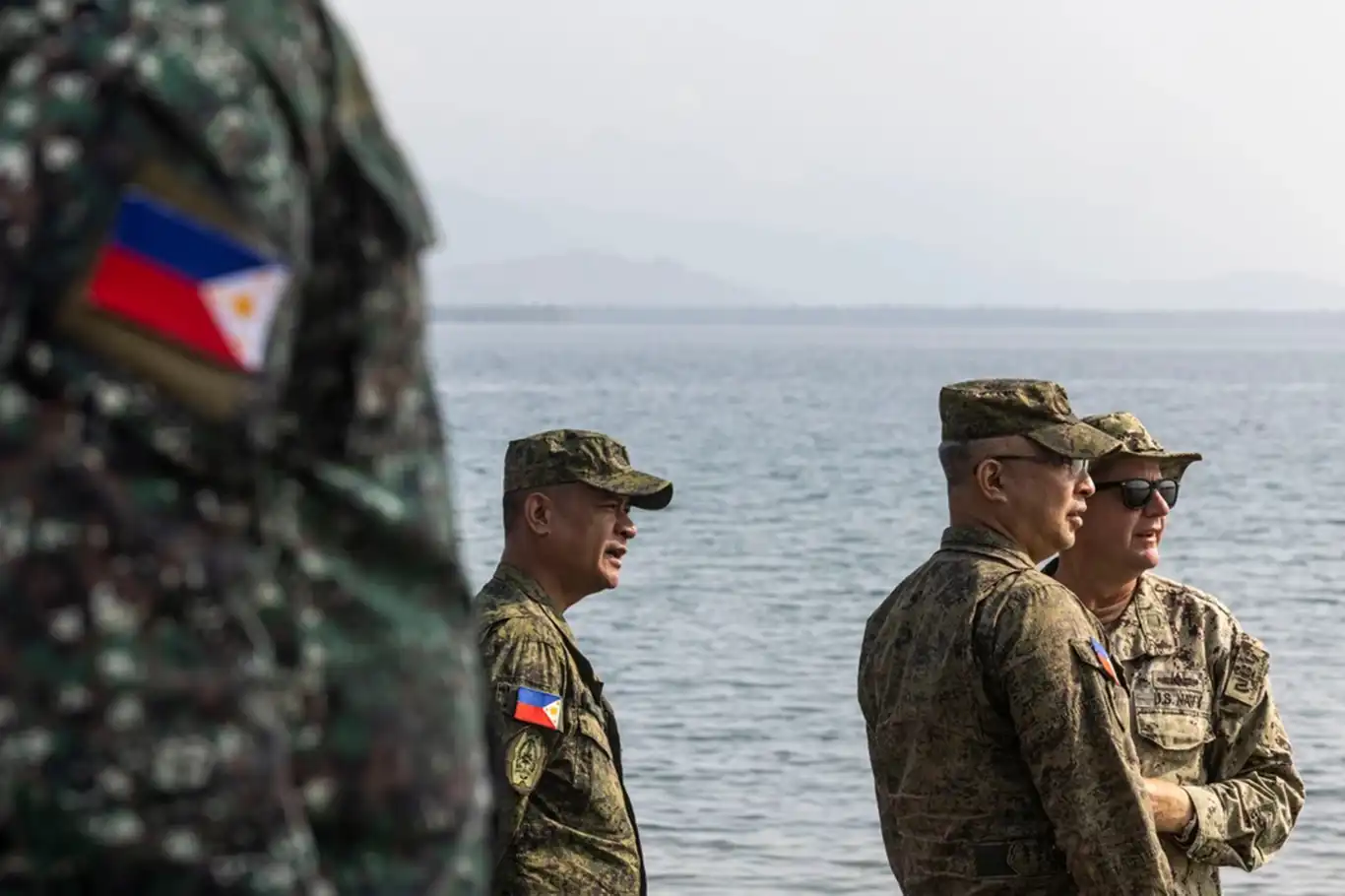
The United States and the Philippines kicked off their largest-ever Balikatan joint military exercises on April 21, signaling a robust response to escalating tensions with China over the South China Sea and Taiwan.
The 40th iteration of the “shoulder-to-shoulder” drills, running through May 9, involves 12,000 American and 6,000 Filipino troops, joined by forces from Japan and Australia, with observers from Britain, France, Germany, Poland, the Netherlands, and other European nations.
For the second year, the US has deployed its Typhon mid-range missile system to the Philippines, a move condemned by Beijing. This year’s exercises also mark the debut of the Navy-Marine Expeditionary Ship Interdiction System (NMESIS), an advanced anti-ship missile launcher. The drills will simulate full-scale combat scenarios near disputed South China Sea areas and close to Taiwan, showcasing sophisticated weapons systems to enhance interoperability and deterrence.
The Philippine Navy will demonstrate its new South Korean-made LIG Nex1 C-Star “sea-skimming” cruise missile during the “Maritime Strike” exercise, culminating in the sinking of a decommissioned vessel on May 5. Additionally, the Philippines will deploy its recently acquired Indian-made BrahMos supersonic missiles, bolstering its maritime defense capabilities.
The exercises follow heightened maritime clashes between Manila and Beijing, notably over the Sandy Cay area in the Spratly Islands. Philippine military chief General Romeo Brawner recently stated that Manila would not stay neutral in a potential China-Taiwan conflict, reflecting a bolder stance. Meanwhile, China’s Global Times quoted experts warning that the Philippines’ alignment with foreign powers could lead to “significant consequences.”
With Chinese President Xi Jinping directing the People’s Liberation Army to prepare for possible conflict with the US over Taiwan by 2027, the Balikatan drills underscore a unified front among allies to counter China’s growing assertiveness in the Indo-Pacific. (ILKHA)
LEGAL WARNING: All rights of the published news, photos and videos are reserved by İlke Haber Ajansı Basın Yayın San. Trade A.Ş. Under no circumstances can all or part of the news, photos and videos be used without a written contract or subscription.
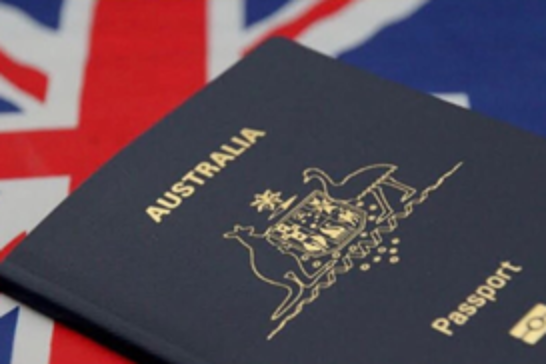
Australia has announced new migration measures that will restrict the ability of many international students and temporary graduates to bring their partners and children to the country.

Türkiye’s Banking Regulation and Supervision Agency (BDDK) has revoked the operating licence of Iranian lender Bank Mellat’s Istanbul branch, according to a decision published in the Official Gazette, as the United States continues to press other countries to increase economic pressure on Tehran.
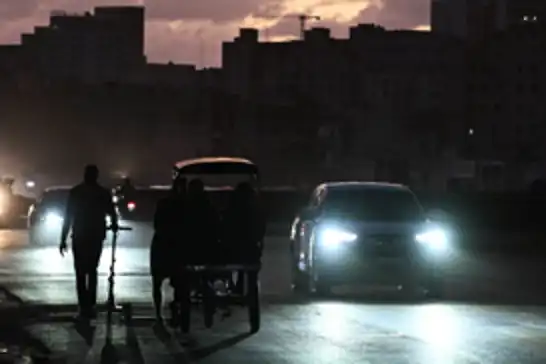
Cuba's national power grid suffered a total collapse on Friday, plunging the island into another nationwide blackout and leaving millions without electricity as the country faces a deepening energy and economic crisis.
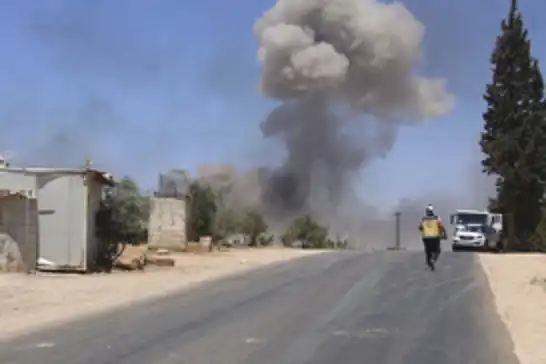
An explosion targeted a Syrian Arab Army position in the Ayyash area, located west of Deir Ezzor, military officials confirmed on Friday.