U.S. Congress moves to repeal Syria's Caesar sanctions in major policy shift
 13 oC
13 oC 
Güneşli

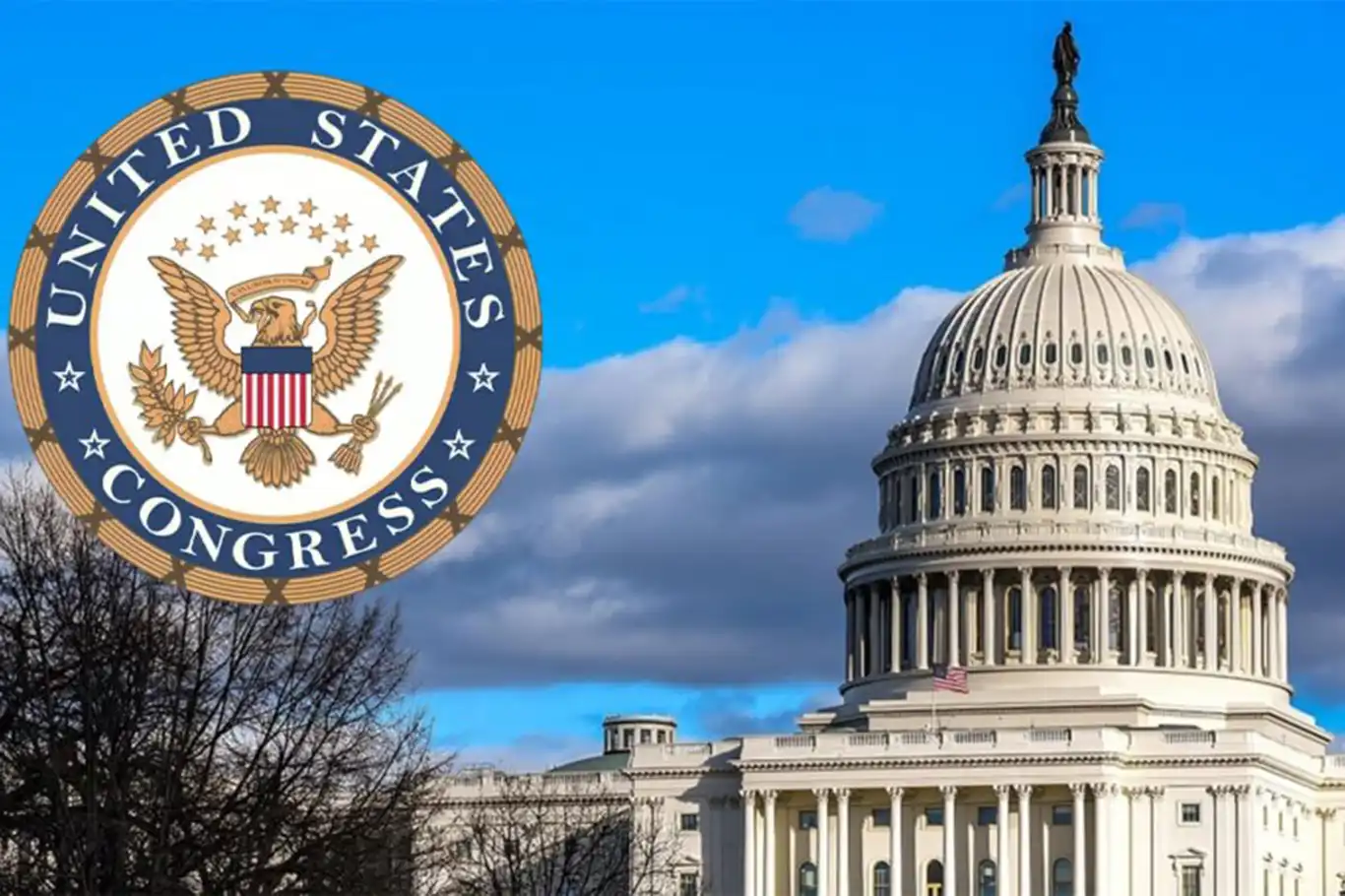
The U.S. Congress is preparing to repeal the Caesar Syria Civilian Protection Act sanctions on Syria, marking a significant shift in Washington’s policy toward Damascus, according to a draft provision included in the National Defense Authorization Act (NDAA) for Fiscal Year 2026.
The draft legislation explicitly states that “The Caesar Syria Civilian Protection Act of 2019… is hereby repealed,” signaling an end to one of the harshest sanction regimes imposed on Syria following the country’s civil war. The bill must still receive approval from the U.S. House of Representatives before becoming law.
Under the proposal, however, the repeal would be conditional. The U.S. president would be required to submit reports to relevant congressional committees within 90 days of enactment and then every 180 days for four years, certifying that Syria is meeting a series of benchmarks. These include taking concrete steps to eliminate ISIS (Daesh) and other armed groups, respecting the rights of minorities, refraining from military action against neighboring states, combating money laundering and terror financing, prosecuting crimes against humanity committed by the former government, and taking action against drug production.
The draft states that if the president determines in two consecutive reporting periods that Syria is failing to meet these standards, the United States would be able to reimpose sanctions.
The legislation also expands congressional oversight of U.S. military activities in Syria. It requires the U.S. Department of Defense to submit regular reports on ISIS detention facilities and tasks the Pentagon, together with U.S. Central Command (CENTCOM), with providing assessments on the conditions-based consolidation of U.S. force posture, military bases, and operational activities inside Syria.
The Caesar Act, enacted in 2019, imposed sweeping secondary sanctions that blocked both U.S. and foreign entities from doing business with the Syrian government or participating in reconstruction efforts. The law specifically targeted alleged human rights abuses and the use of chemical weapons under the former administration of President Bashar al-Assad.
In recent months, the U.S. has already begun rolling back parts of the sanctions architecture. Several senior Syrian officials have been removed from U.S. and U.N. terror-related sanctions lists, while other measures remain subject to congressional approval. The U.S. administration has temporarily waived remaining sanctions in 180-day intervals, most recently in November.
The policy shift accelerated after U.S. President Donald Trump met Syrian leader Ahmad al-Sharaa in Saudi Arabia in May, where Trump announced his intention to lift sanctions. He later signed an executive order in June formally ending broad U.S. sanctions.
Further steps included actions by the U.S. Department of State, which revoked the Foreign Terrorist Organization designation of the al-Nusrah Front, also known as Hay’at Tahrir al-Sham, in July, and removed Ahmad al-Sharaa from the Specially Designated Global Terrorist list on November 7.
If passed, the legislation would formally dismantle the Caesar Act framework while keeping Syria under close U.S. congressional and military review for the next four years. (ILKHA)
LEGAL WARNING: All rights of the published news, photos and videos are reserved by İlke Haber Ajansı Basın Yayın San. Trade A.Ş. Under no circumstances can all or part of the news, photos and videos be used without a written contract or subscription.
The U.S. Congress is set to vote on a pivotal measure that could permanently lift the so-called "Caesar" sanctions against Syria before the end of the year.
Gaza Municipality issued an urgent warning on Wednesday that a powerful polar low-pressure winter storm is posing a severe threat to hundreds of thousands of displaced Palestinians, as widespread destruction of infrastructure has left vast segments of the population without basic protection.
The Ankara-based Palestinian Solidarity Platform (ANFİDAP) has warned that human rights in Gaza are facing a systematic and unprecedented collapse, calling on the international community to take urgent and concrete action to protect Palestinian civilians.
Türkiye's President Recep Tayyip Erdoğan will embark on an official visit to Turkmenistan on December 11-12, where he will participate in a major international forum and hold high-level diplomatic meetings, the Presidential Communications Directorate announced.