UNIFIL warns of systematic Israeli destruction across southern Lebanon
 13 oC
13 oC 
Güneşli

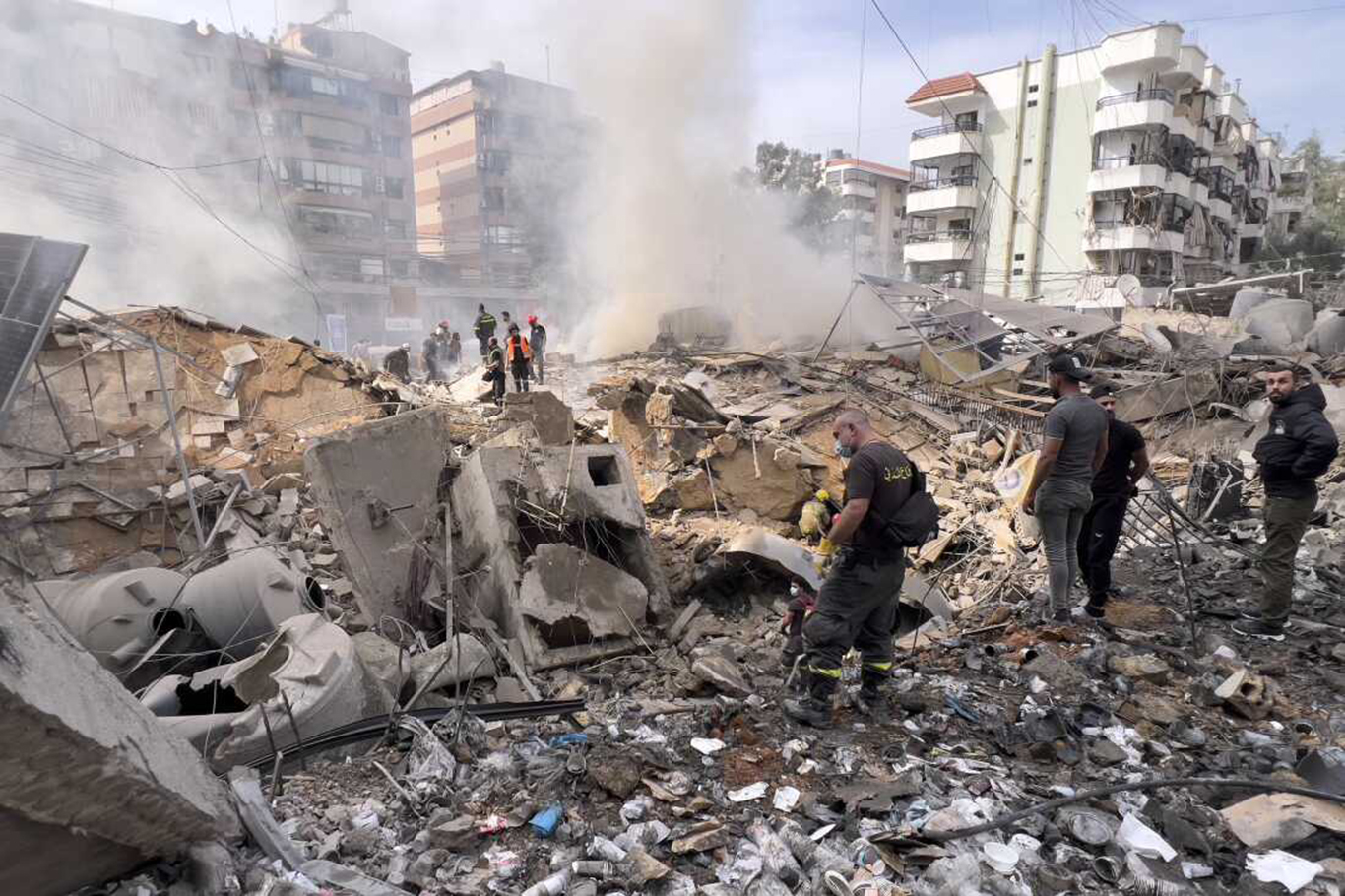
The United Nations Interim Force in Lebanon (UNIFIL) has warned of extensive destruction across southern Lebanon, saying entire civilian neighborhoods have been wiped out and that some of the devastation appears to be “systematic rather than selective.”
UNIFIL spokesperson Kandice Ardiel told UN Radio on Monday night that peacekeepers had documented widespread destruction stretching from Kafr Kila to Khiam and Naqoura, with homes, businesses, schools, hospitals and essential infrastructure among the sites damaged or destroyed.
The UN peacekeeping mission's assessment highlights the severe humanitarian consequences of the renewed violence in southern Lebanon, where civilian communities have borne the brunt of destruction and displacement.
“Homes and businesses, schools and hospitals and other critical infrastructure like roads, electricity and water networks” have been damaged or destroyed, Ardiel said.
“It’s hard to overstate the devastation that some communities have seen. Entire neighborhoods have been wiped out,” she added.
Civilian communities face mounting devastation
UNIFIL said the destruction is not limited to isolated military sites, raising concerns over the scale and nature of the damage inflicted on civilian areas.
Ardiel said peacekeepers had encountered cases in which the destruction appeared “systematic rather than selective,” underscoring concerns about the long-term impact on Lebanon's southern communities.
The devastation has compounded the hardships facing civilians who have been displaced from their homes and separated from their livelihoods and community networks.
According to Ardiel, the consequences extend well beyond destroyed buildings. Residents have suffered the loss of property and sources of income, while displacement has disrupted social ties and deepened a sense of insecurity among communities living near the Blue Line.
She warned that the scale of destruction could make it significantly more difficult for civilians to return home and rebuild their lives.
Renewed violence threatens fragile stability
Israel launched extensive attacks on Lebanon beginning March 2, saying the operations were aimed at Hezbollah. Hezbollah responded with attacks against Israel, bringing an effective end to the ceasefire that had been in place since November 2024.
The renewed violence has further exposed southern Lebanese communities to destruction and displacement after years of instability.
Ardiel stressed that lasting peace cannot be achieved without rebuilding the communities affected by the conflict.
“Any durable peace depends on strong and stable communities, communities where people can have hope for the future,” she said.
She warned that the erosion of that hope could create further instability for families living and working on both sides of the Blue Line.
UNIFIL continues humanitarian support
UNIFIL's primary mandate in southern Lebanon is to support the implementation of UN Security Council Resolution 1701 and contribute to restoring security and stability in the region.
Despite the destruction, UN peacekeepers continue to assist humanitarian organizations by coordinating safe movement across southern Lebanon and, where necessary, providing escorts to help humanitarian assistance reach civilians in need.
The mission also supports local communities through small-scale projects, including efforts to restore damaged water infrastructure and provide school supplies, food and hygiene materials.
Ardiel reaffirmed the UN's view that Resolution 1701 remains the essential framework for achieving lasting stability.
“We firmly believe that Resolution 1701 remains the framework for achieving stability, but long-term stability can’t be built on rubble,” she said.
The warning underscores the enormous reconstruction challenge facing southern Lebanon. For civilians whose homes, schools, businesses and essential services have been destroyed, any meaningful return to normal life will depend not only on an end to hostilities but also on sustained humanitarian assistance, reconstruction and guarantees of security. (ILKHA)
LEGAL WARNING: All rights of the published news, photos and videos are reserved by İlke Haber Ajansı Basın Yayın San. Trade A.Ş. Under no circumstances can all or part of the news, photos and videos be used without a written contract or subscription.
Children in Gaza are showing signs of improved access to food following the October 2025 ceasefire, but a new UNICEF survey warns that the effects of more than two years of war and severe hunger could leave lasting damage to their growth and development.
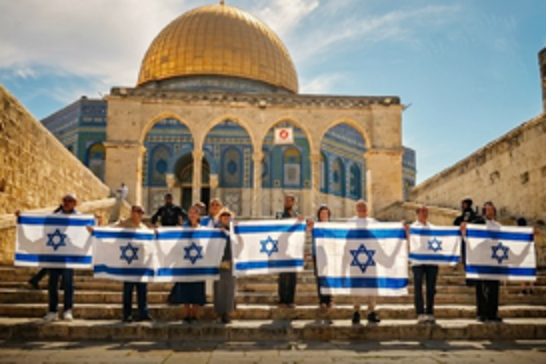
The Islamic-Christian Authority for Patronizing Jerusalem and Holy Sites has warned of what it described as an unprecedented escalation in Jewish settler incursions and violations at the Al-Aqsa Mosque compound in occupied Jerusalem.
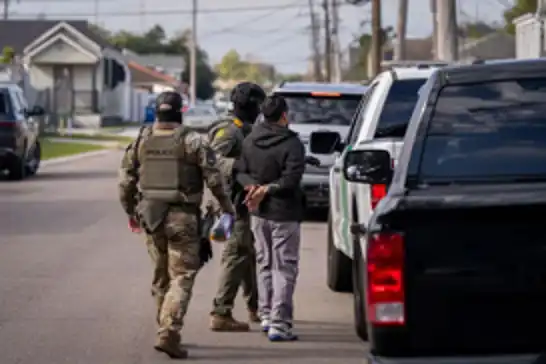
The administration of US President Donald Trump is preparing a plan that could revoke the visas of up to 200,000 foreign nationals who entered the United States on business or tourist visas between 2016 and 2026 and later applied for asylum, according to US media reports and government documents.