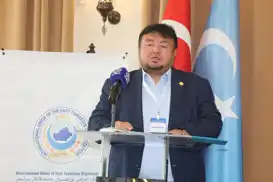
Trump signs sweeping law expanding sanctions on Russia
 13 oC
13 oC 
Güneşli

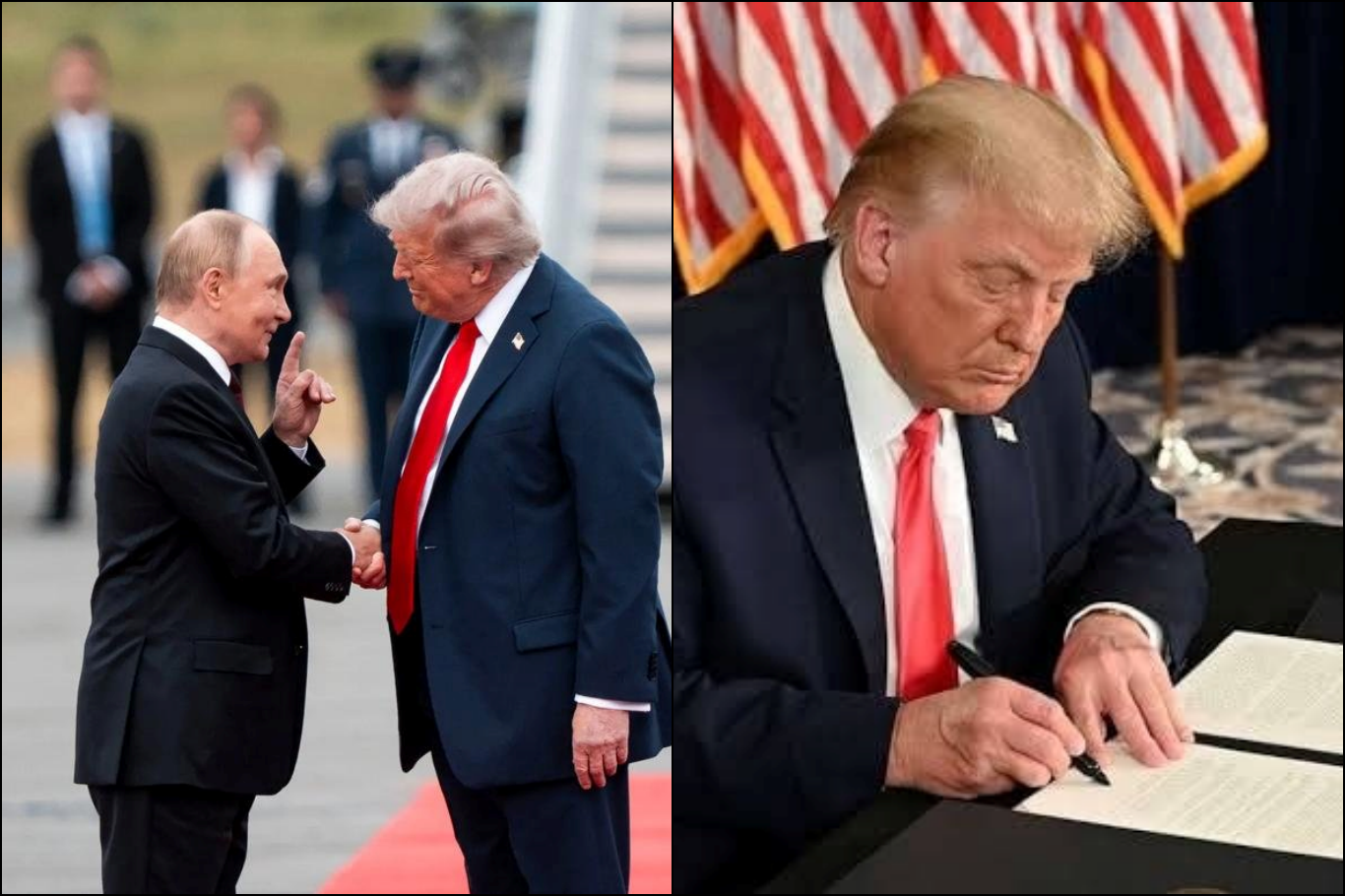
U.S. President Donald Trump has signed into law a sweeping sanctions package targeting Russia, giving his administration new powers to impose tariffs on countries that continue to purchase Russian oil and gas.
Trump signed the Lindsey O. Graham Sanctioning Russia and Iran Act of 2026 on Sept. 18, the White House said. The legislation expands statutory sanctions, tariffs and restrictions targeting Russia and extends the Iran Sanctions Act for another five years. The Trump administration had supported the legislation during the congressional process.
A key provision requires the president, within 30 days of enactment, to impose duties of up to 100% on goods imported from countries that meet specified criteria related to purchases of Russian energy.
The measure applies to countries that knowingly make new purchases of Russian crude oil or natural gas after the 30-day period and were among the five largest importers of Russian crude oil or natural gas by volume during the preceding 12 months. It also covers the five countries identified as the largest facilitators of efforts to evade sanctions on Russian oil.
The law separately authorizes duties of up to 500% on goods imported from Russia, subject to statutory exceptions. The president may waive the duties, sanctions or restrictions after submitting a written national-interest certification and supporting report to Congress.
The legislation also expands sanctions against Russian officials, financial institutions, state-controlled and affiliated entities, energy-sector actors and vessels involved in sanctions evasion, including those associated with Russia's so-called shadow fleet.
The law extends the Iran Sanctions Act for another five years. The Trump administration said during the legislative process that the extension would preserve existing U.S. authorities concerning Iran.
The legislation comes as Washington continues to use economic sanctions and trade measures as tools in its policy toward Russia over the war in Ukraine.
Ukrainian President Volodymyr Zelensky welcomed Trump's signing of the legislation and thanked the president and members of Congress who supported the measure.
Zelensky said the late Republican Sen. Lindsey Graham had repeatedly advocated stronger economic pressure on Moscow, including measures targeting Russian oil purchases, financial services and international business involving Russian companies linked to the Kremlin.
"The best way to honor Lindsey's memory will be the full and swift implementation of the provisions of this law," Zelensky said.
The House of Representatives passed the legislation on Sept. 16 by a vote of 262-159, after the Senate approved it in August by an 86-11 vote. The measure therefore received substantial bipartisan support in both chambers.
The legislation nevertheless faced opposition from some lawmakers, particularly over the breadth of the tariff authority granted to the president.
The bill does not specifically name individual countries, but its provisions could affect major purchasers of Russian energy. China and India are among the world's largest buyers of Russian crude oil, meaning their trade with Moscow could become subject to additional U.S. tariffs depending on how the administration implements the law.
The legislation was named after Lindsey Graham, the Republican senator from South Carolina who had campaigned for tougher sanctions against Moscow for more than a year.
Graham died on July 11 at the age of 71 after a heart condition, one day after meeting Zelensky during a visit to Kyiv. The legislation was subsequently renamed in his honor.
The White House had previously said the measure would strengthen the president's authority to increase economic pressure on Russia and encourage progress toward a negotiated resolution of the Russia-Ukraine war. (ILKHA)
LEGAL WARNING: All rights of the published news, photos and videos are reserved by İlke Haber Ajansı Basın Yayın San. Trade A.Ş. Under no circumstances can all or part of the news, photos and videos be used without a written contract or subscription.
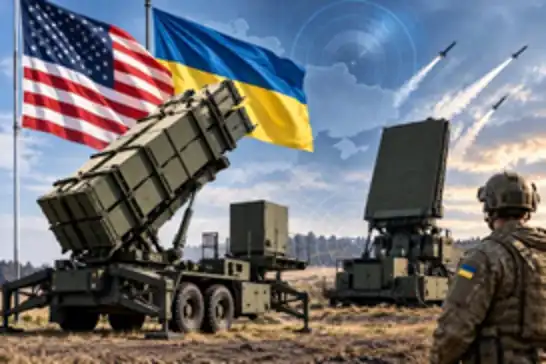
The United States has approved a potential $2.68 billion military sale to Ukraine aimed at strengthening its air defense capabilities, as Kyiv faces sustained Russian drone and missile attacks and a shortage of interceptors for ballistic missiles.

Ukrainian President Volodymyr Zelensky said Saturday that he had approved new long-range operations against Russia in response to continued Russian strikes, as Kyiv seeks to expand its ability to conduct deep strikes and counter Moscow's growing use of jet-powered drones.
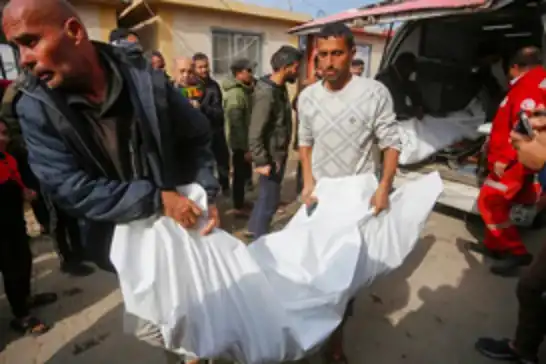
Three Palestinian civilians were martyred and several others wounded, some critically, in fresh Israeli attacks across the Gaza Strip on Saturday, while a 10-year-old girl died from injuries sustained in an earlier shooting.

Israeli police officers stormed the Bab al-Rahma prayer hall at the Aqsa Mosque compound during Friday prayers, according to Jerusalem affairs researcher Ziyad Abhais.