Trump reportedly rejects Iran’s seven-day plan to reopen Strait of Hormuz
 13 oC
13 oC 
Güneşli

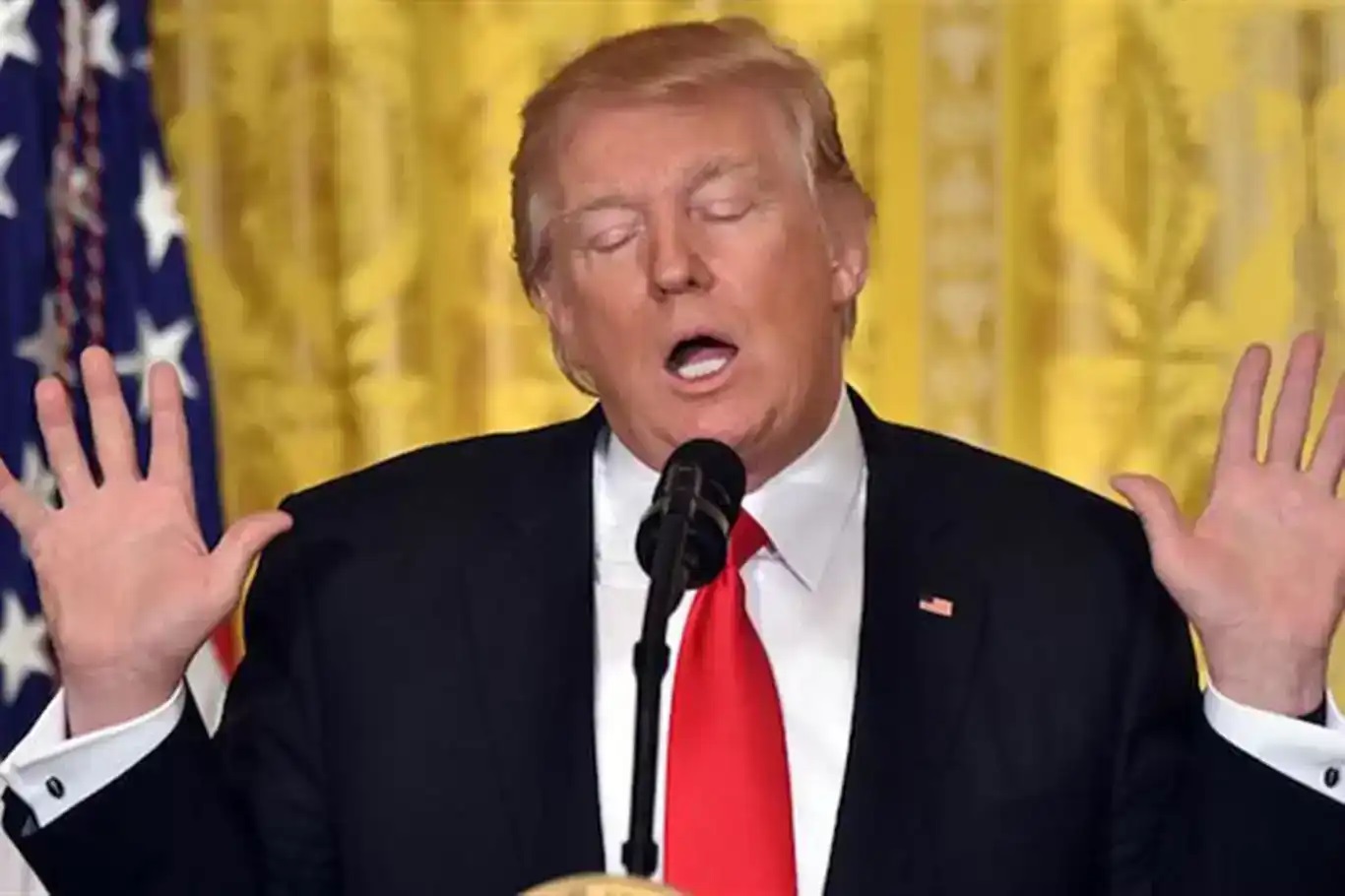
US President Donald Trump has reportedly rejected an Iranian proposal aimed at ending the conflict between Washington and Tehran and reopening the strategically vital Strait of Hormuz within seven days.
Iranian Foreign Minister Abbas Araghchi said Thursday that Tehran had submitted the proposal to the United States through intermediaries, following talks earlier this week with Trump’s special envoy, Steve Witkoff, on the sidelines of the United Nations General Assembly in New York.
Under the proposal, the Strait of Hormuz would be reopened on the seventh day after Washington accepted a set of conditions, with broader negotiations between the two sides resuming as part of the process.
“If certain conditions are met, the Strait of Hormuz would be open on the end of the seventh day and talks would restart,” Araghchi said, according to reports from New York.
The proposal reportedly calls for a seven-day cessation of hostilities across the Middle East, including Lebanon, the release of frozen Iranian assets estimated at more than $12 billion, the lifting of sanctions on Iranian oil exports and an end to the US naval blockade of Iranian ports.
Iran has also linked the reopening of the waterway to an end to hostilities in Yemen, according to Iranian officials.
However, hours after Araghchi outlined the proposal, The Wall Street Journal reported that Trump had rejected the plan, citing US officials familiar with the matter. The report said Trump remained skeptical that Tehran would meet his demands and expected military operations against Iran to resume.
The reported rejection has raised fresh doubts over efforts to revive diplomacy between Washington and Tehran after months of conflict.
The Strait of Hormuz has become a central issue in the confrontation because of its importance to global energy supplies. Shipping traffic through the waterway remains significantly below pre-war levels, with preliminary data cited by Reuters showing 10 commodity vessels transited the strait on Wednesday, compared with a 10-day average of about 17.
Iran's latest proposal is based in part on a memorandum of understanding reached between the two countries in June. That agreement was intended to reduce hostilities, facilitate shipping through the strait and create a framework for negotiations on Iran's nuclear program, but the arrangement subsequently collapsed.
Araghchi said Tehran would not accept pressure or threats in negotiations.
“The choice now rests with the United States,” he said at the UN. “Iran does not accept coercion, threats, or intimidation, and Iran will not surrender its sovereign rights under pressure.”
Iranian President Masoud Pezeshkian has also said the ceasefire process could begin immediately if Washington accepts Tehran's proposal.
“We had previously reached an agreement based on the MOU that was signed in Pakistan,” Pezeshkian said in an interview. “If the United States agrees to proceed in that way, everything will return to the way it was before.”
The latest proposal comes as diplomatic contacts between the two sides continue through intermediaries. Araghchi's meeting with Witkoff was described by Iranian officials as productive, while US Secretary of State Marco Rubio cautioned against portraying the talks as a major breakthrough.
The two sides remain divided over the sequencing of concessions, with Iran demanding an easing of military and economic pressure before reopening the strait, while Washington has sought discussions on Iran's nuclear program and other issues as part of any broader settlement.
With the Strait of Hormuz remaining a major pressure point in the conflict, the future of maritime traffic through the waterway is closely tied to the prospects for a wider US-Iran agreement. (ILKHA)
LEGAL WARNING: All rights of the published news, photos and videos are reserved by İlke Haber Ajansı Basın Yayın San. Trade A.Ş. Under no circumstances can all or part of the news, photos and videos be used without a written contract or subscription.
UN High Commissioner for Refugees Barham Salih has called on the international community to focus on ending the conflicts and political crises that are forcing millions of people from their homes, warning that humanitarian agencies cannot solve displacement without addressing the wars that cause it.
At least seven people, including a 14-year-old boy, were killed and 59 others injured in a series of Russian drone attacks on Kyiv on Friday, Ukrainian authorities said, as repeated waves of strikes hit residential, commercial and administrative buildings across the capital.
Iranian President Masoud Pezeshkian has welcomed Chinese President Xi Jinping’s support for reviving the Islamabad Memorandum of Understanding between Iran and the United States, stressing that Tehran remains committed to resolving outstanding differences through dialogue.